
From the Archive
Case breakdowns, episode briefings and project news from the CrimeFile editorial desk.
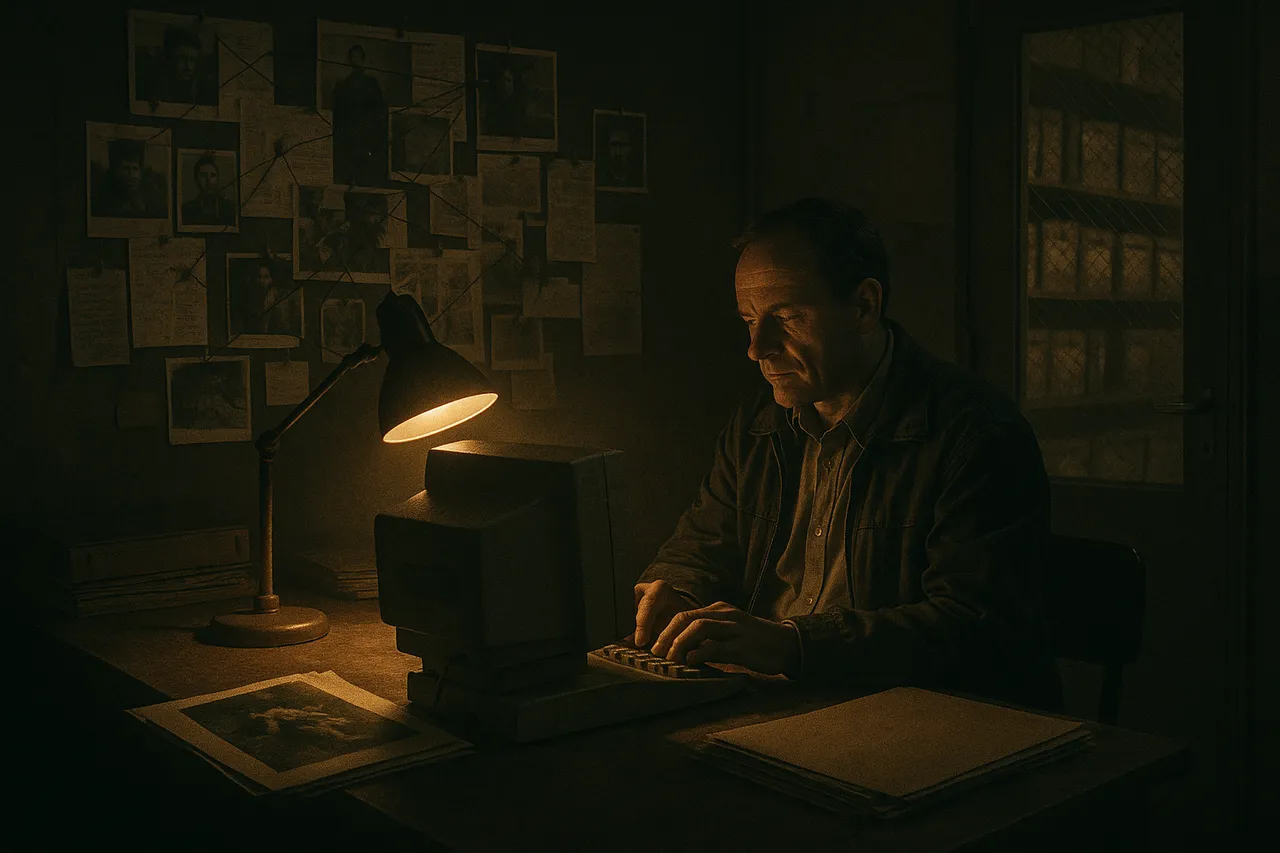
New Episodes, Interface Refinements, and the Evidence Room: CrimeFile Platform Update
Three new historical cases have arrived on CrimeFile, alongside interface improvements and a revamped evidence system that changes how you connect the dots.
→ Open file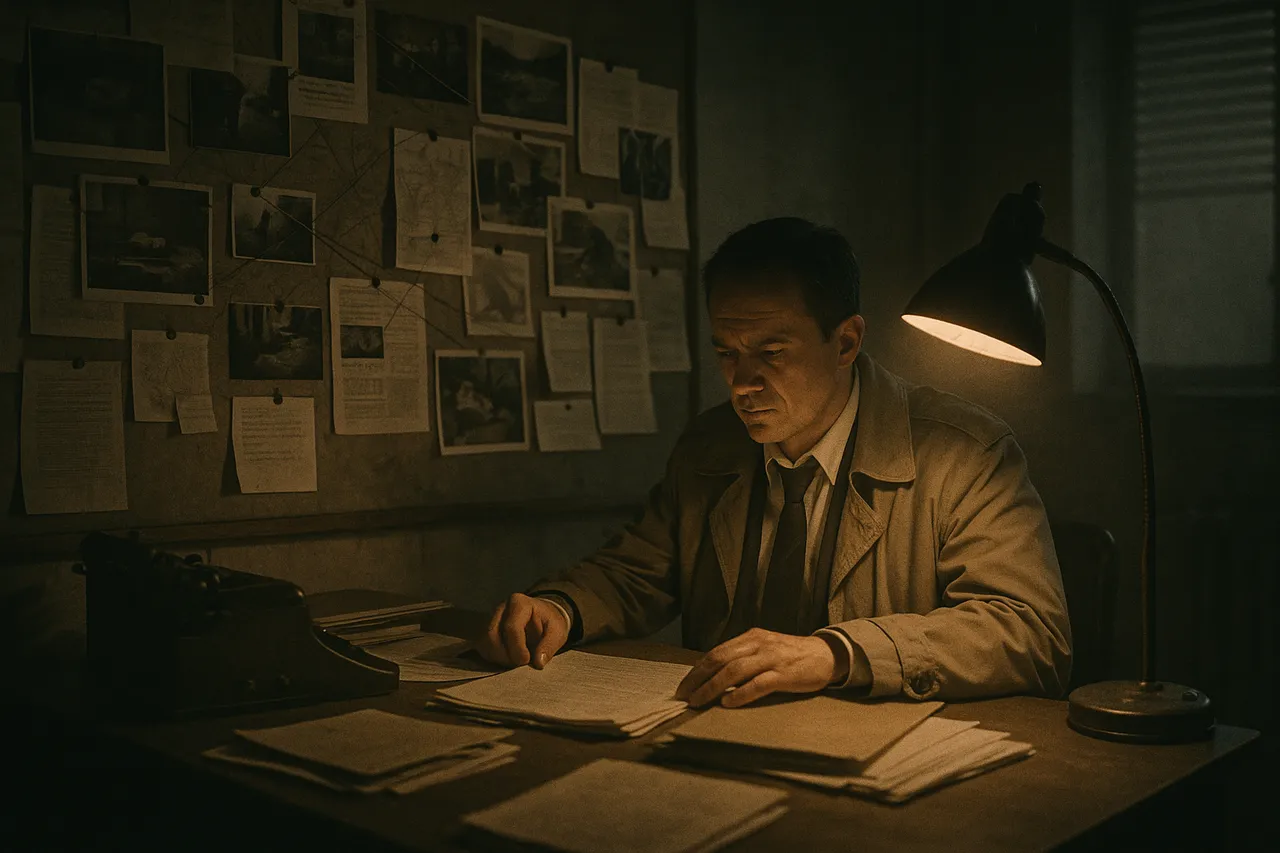
New Episodes, Smarter Tools: What's Changed at CrimeFile
The platform now hosts twelve cases spanning four continents and a century of investigative technique. Here's what arrived in the past quarter and what's being built.
→ Open file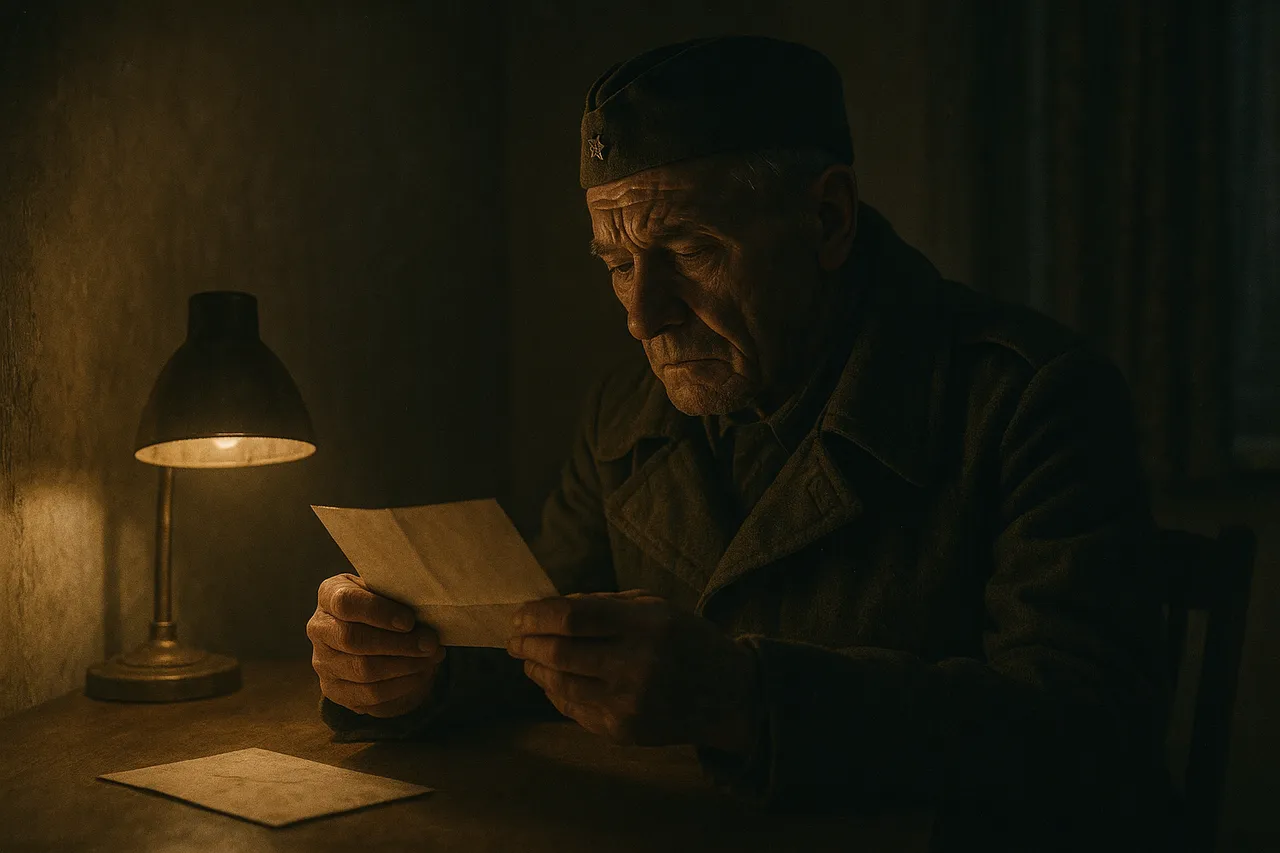
Letter from Tallinn: When the Dead Write Home
March 1993, Pskov. A war veteran receives a letter signed by his sister — dead since 1944. CrimeFile Episode 106 asks: who sent it, and why now?
→ Open file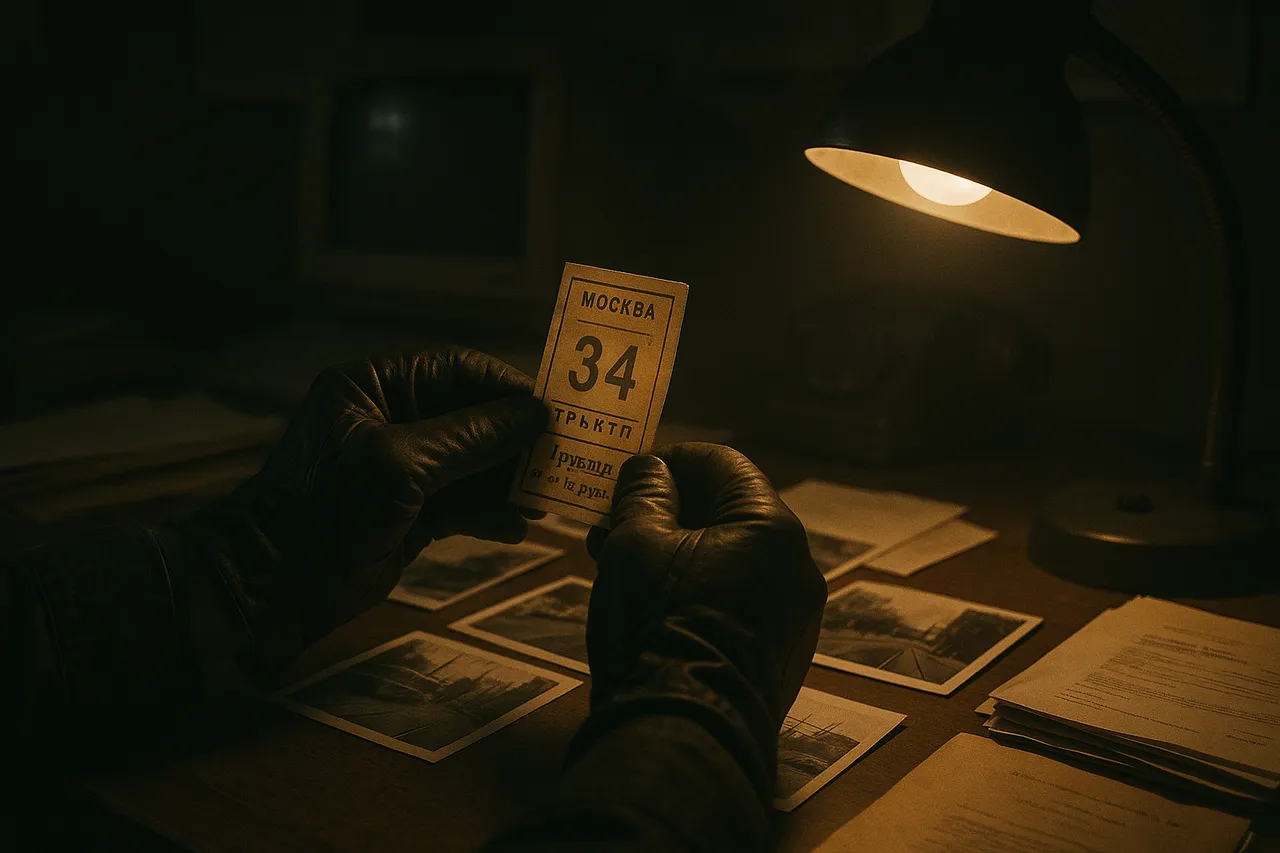
Tram Ticket №34: When Evidence Doesn't Match the Timeline
A fresh tram ticket from a route closed in 1977 surfaces in Moscow, 1997. CrimeFile's new episode explores the forensic puzzle that shouldn't exist.
→ Open file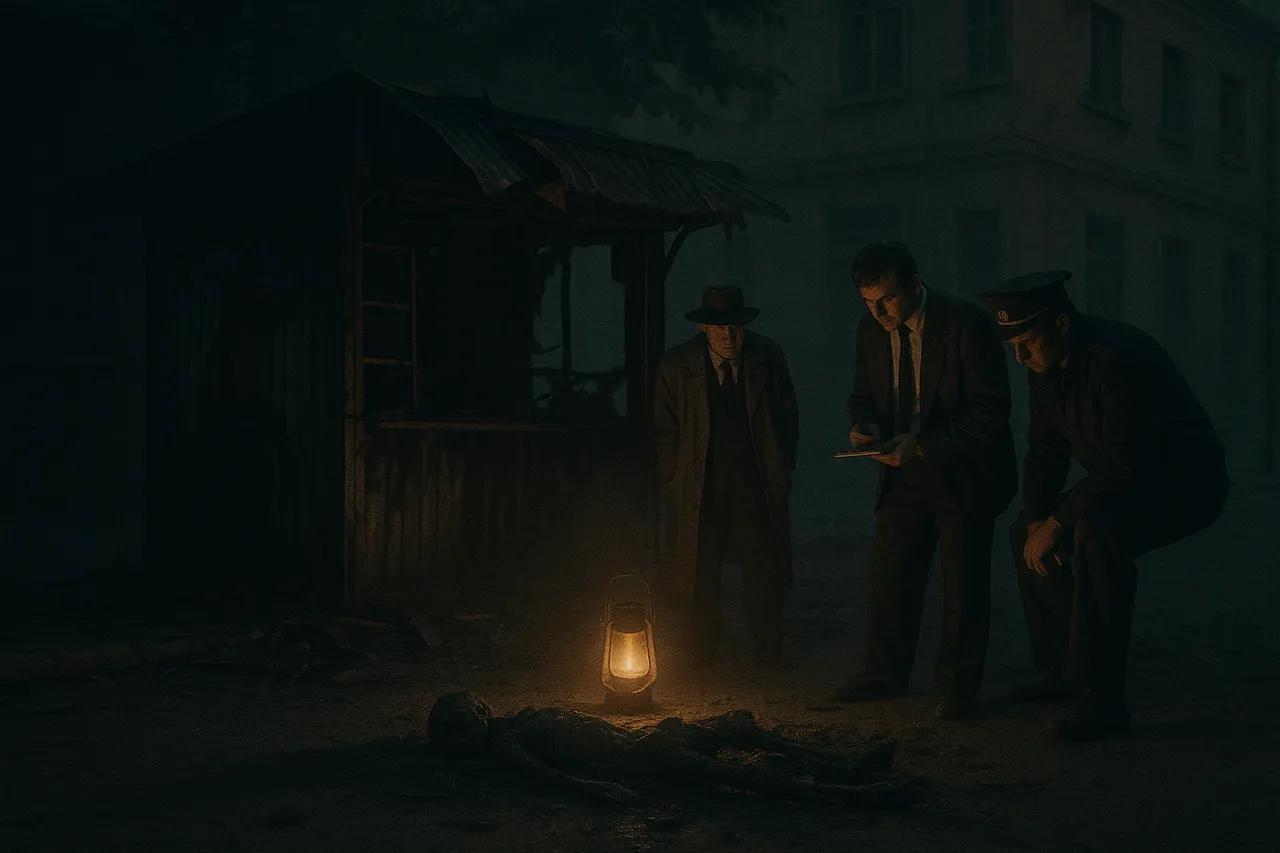
Kiosk on Budyonnovsky: Fire, Ashes, and a Body That Shouldn't Exist
Rostov-on-Don, August 1994. A street kiosk burned overnight. The owner escaped. In the morning, investigators found human remains — but no one was supposed to be inside.
→ Open file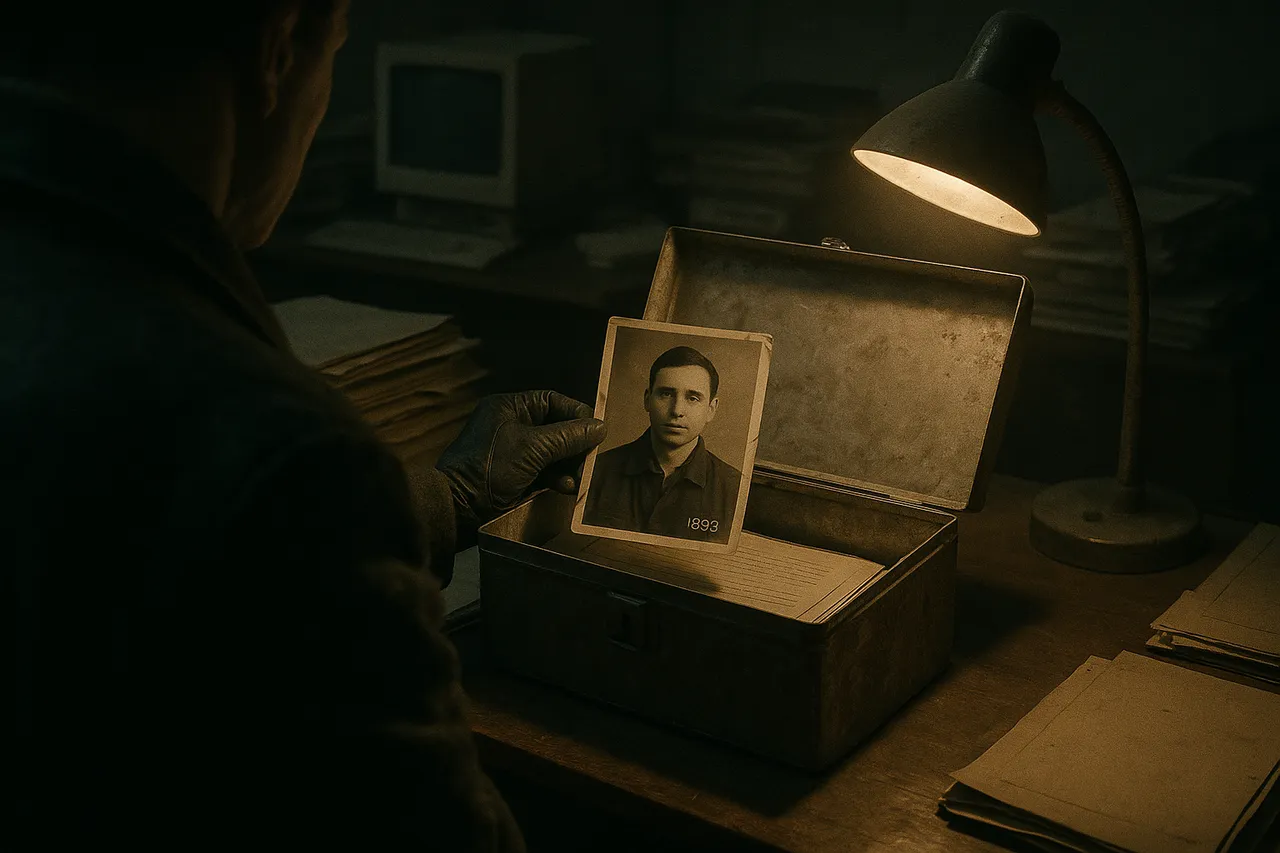
Photo from 1993: When the Dead Return in Post-Soviet Russia
In April 1994, investigators in Sverdlovsk opened a dead man's document box and found a photograph dated 1993—showing someone the state had declared deceased a year earlier.
→ Open file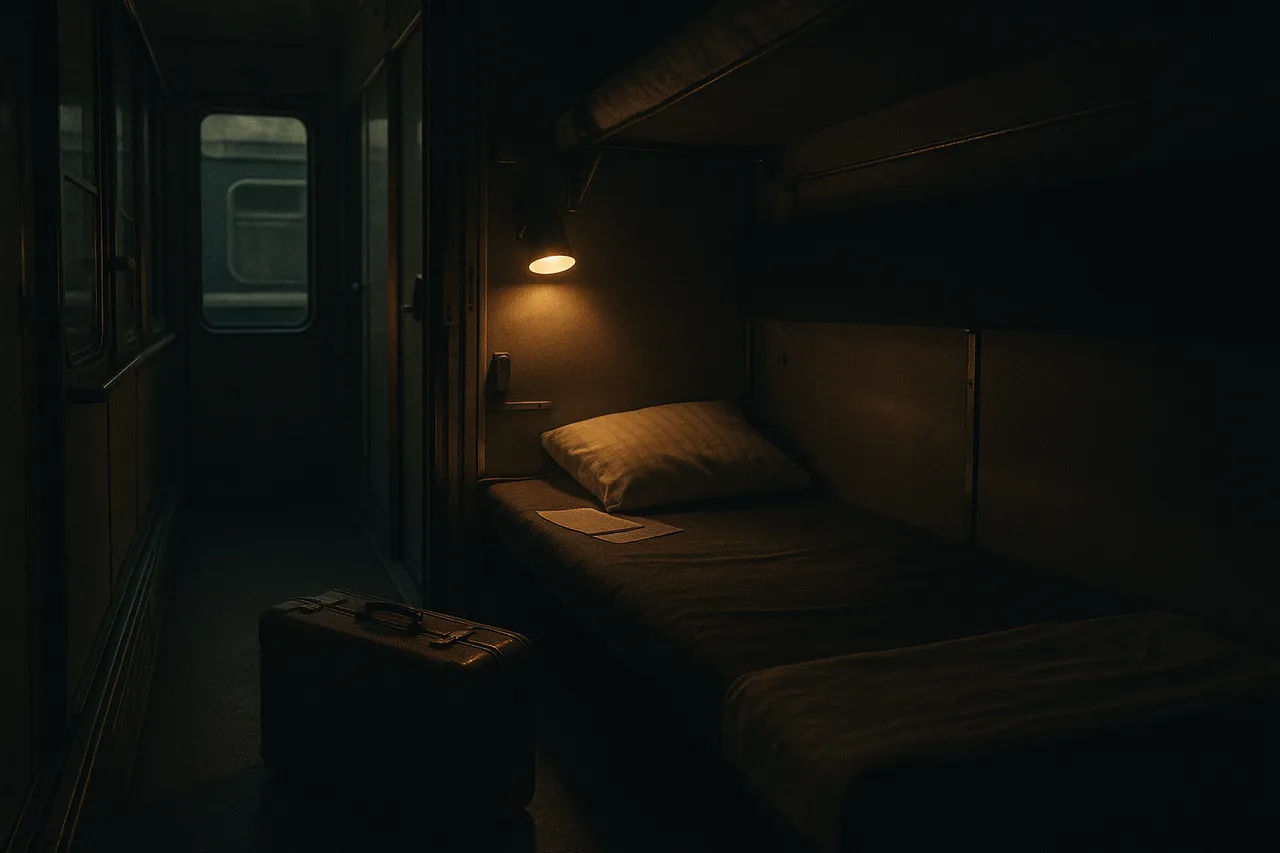
Train 124, Car 8, Seat 23: The Vanishing Passenger
June 1998, Trans-Siberian Railway. A passenger boards in Novosibirsk with a valid ticket and luggage. By morning, the compartment is empty—documents untouched, suitcase packed, no record of departure.
→ Open file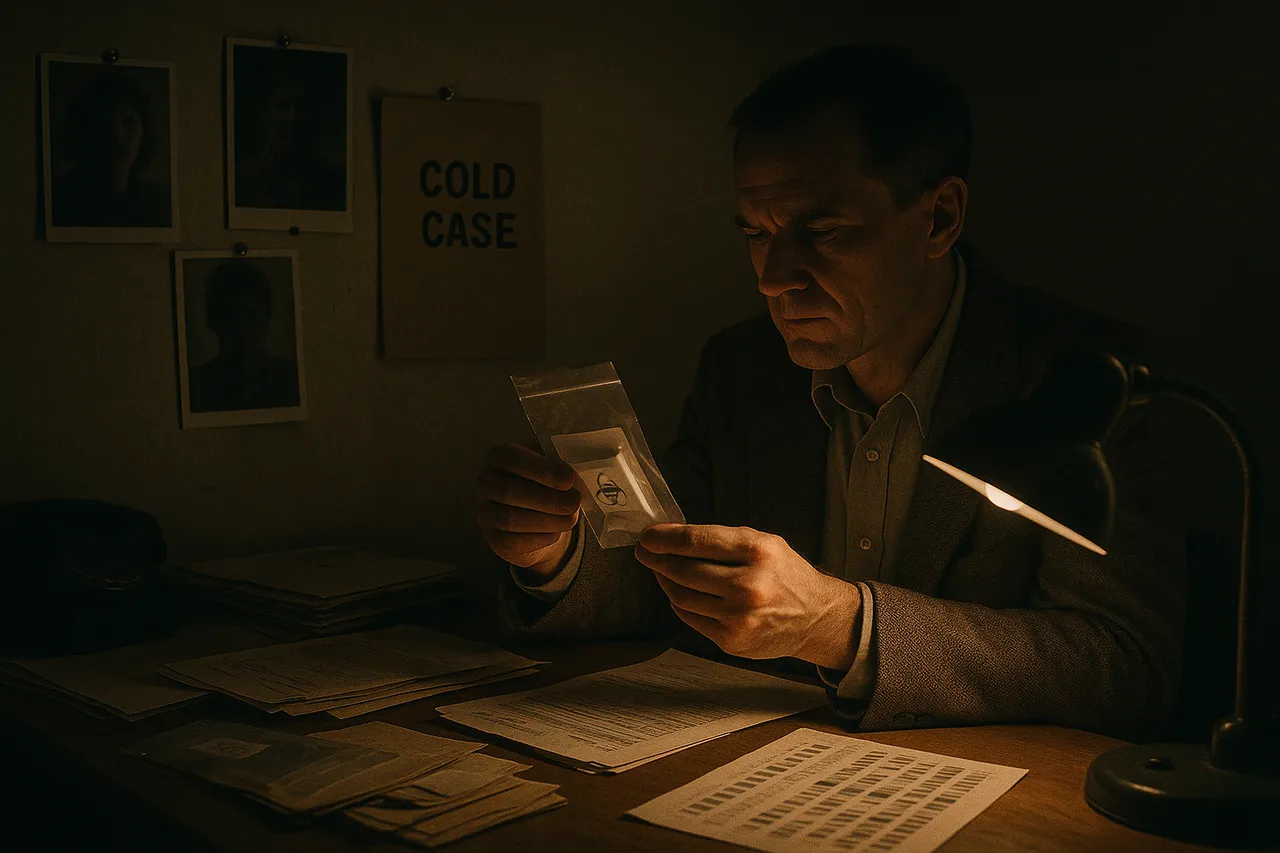
How Forensic Genealogy Solved Cold Cases After Decades
Forensic genealogy transformed criminal investigation by matching crime scene DNA to public genealogy databases, solving cases that sat dormant for thirty or forty years.
→ Open file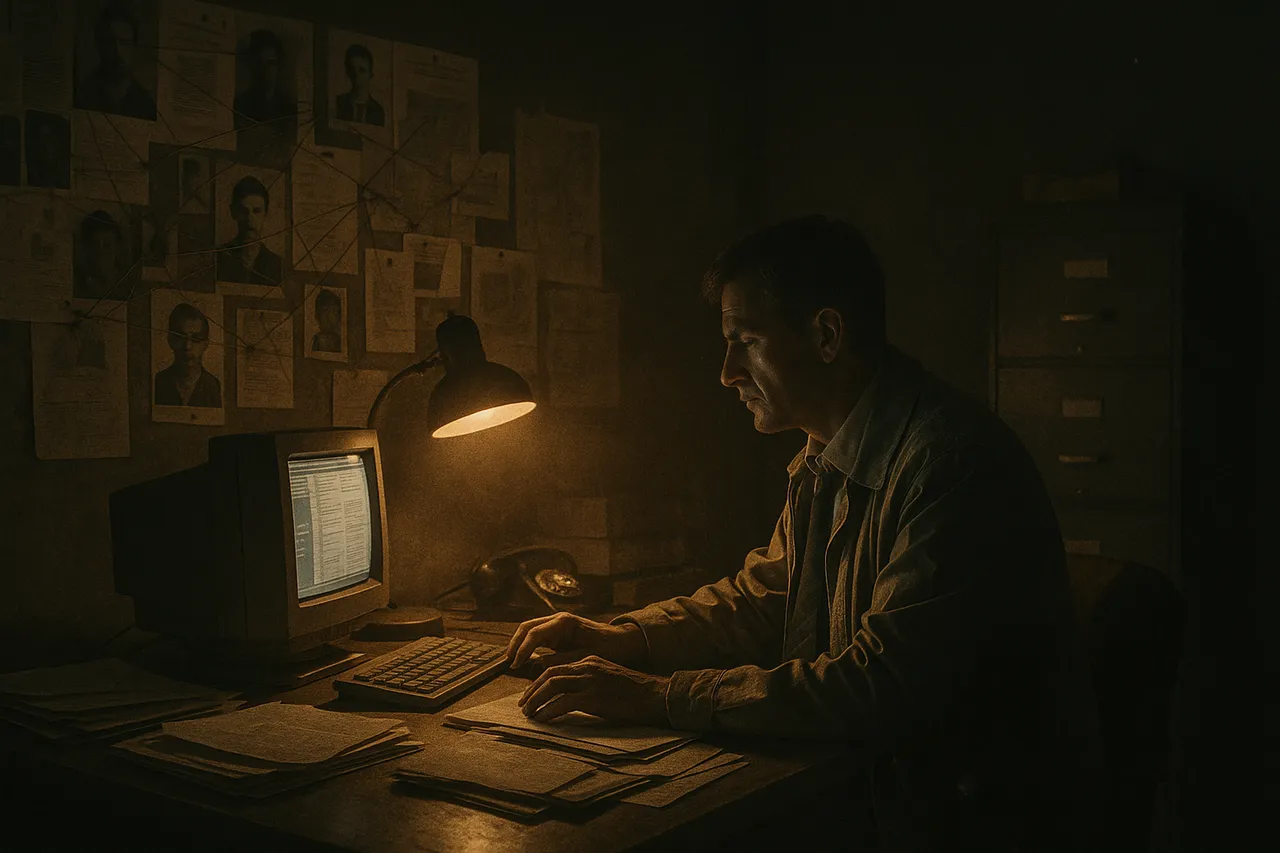
CrimeFile Expands to Four Languages: True Crime Goes Global
The detective game platform now serves investigators in English, Russian, Spanish, and Portuguese, bringing cold cases and forensic puzzles to a worldwide audience.
→ Open file
The Marina Krylova Case: When Journalists Disappeared in 1990s Moscow
In October 1996, Moscow reporter Marina Krylova vanished without trace. Her case illuminates the dangers faced by investigative journalists in post-Soviet Russia.
→ Open file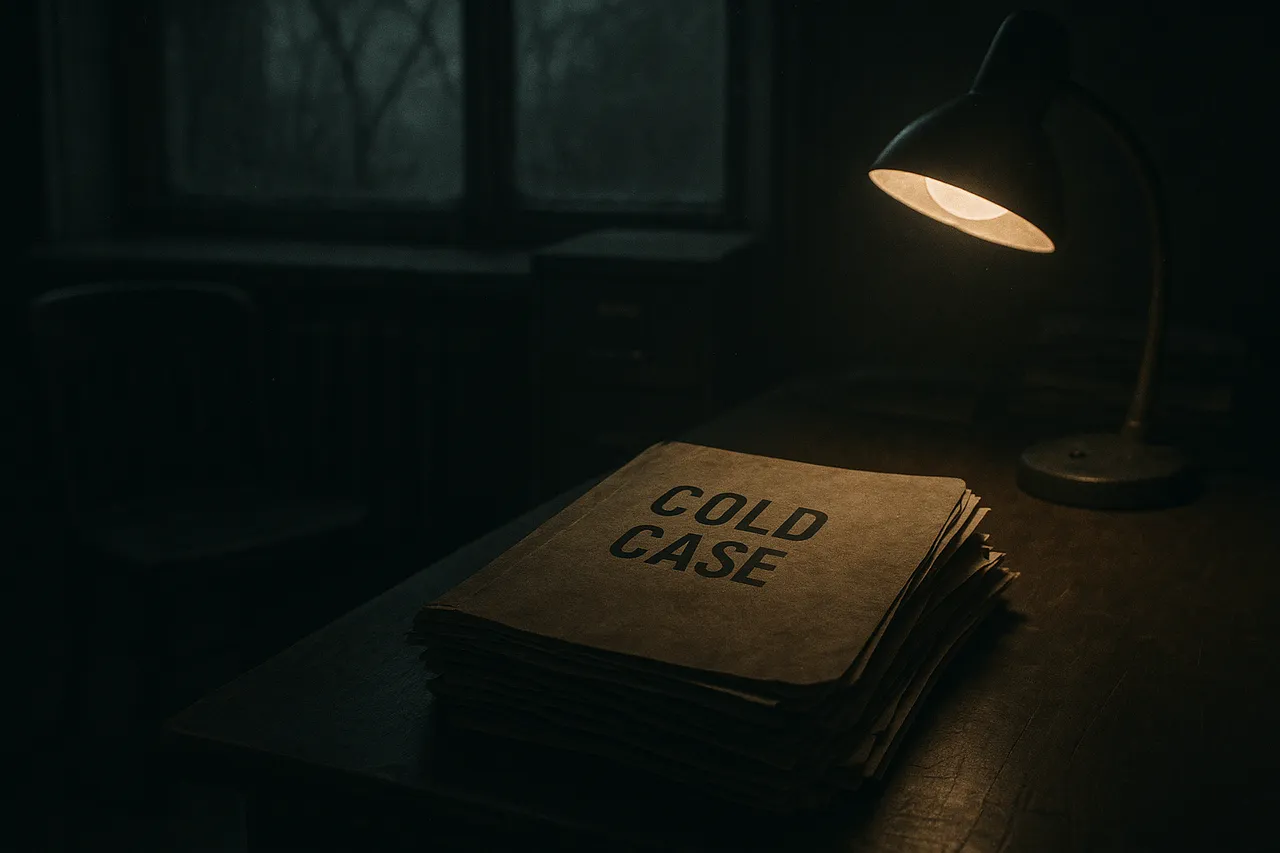
A Cold Case That Refuses to Stay Buried
Next week, CrimeFile returns to a decades-old investigation where every witness is gone, every trail has gone cold, and the only thing left is a file that won't close.
→ Open file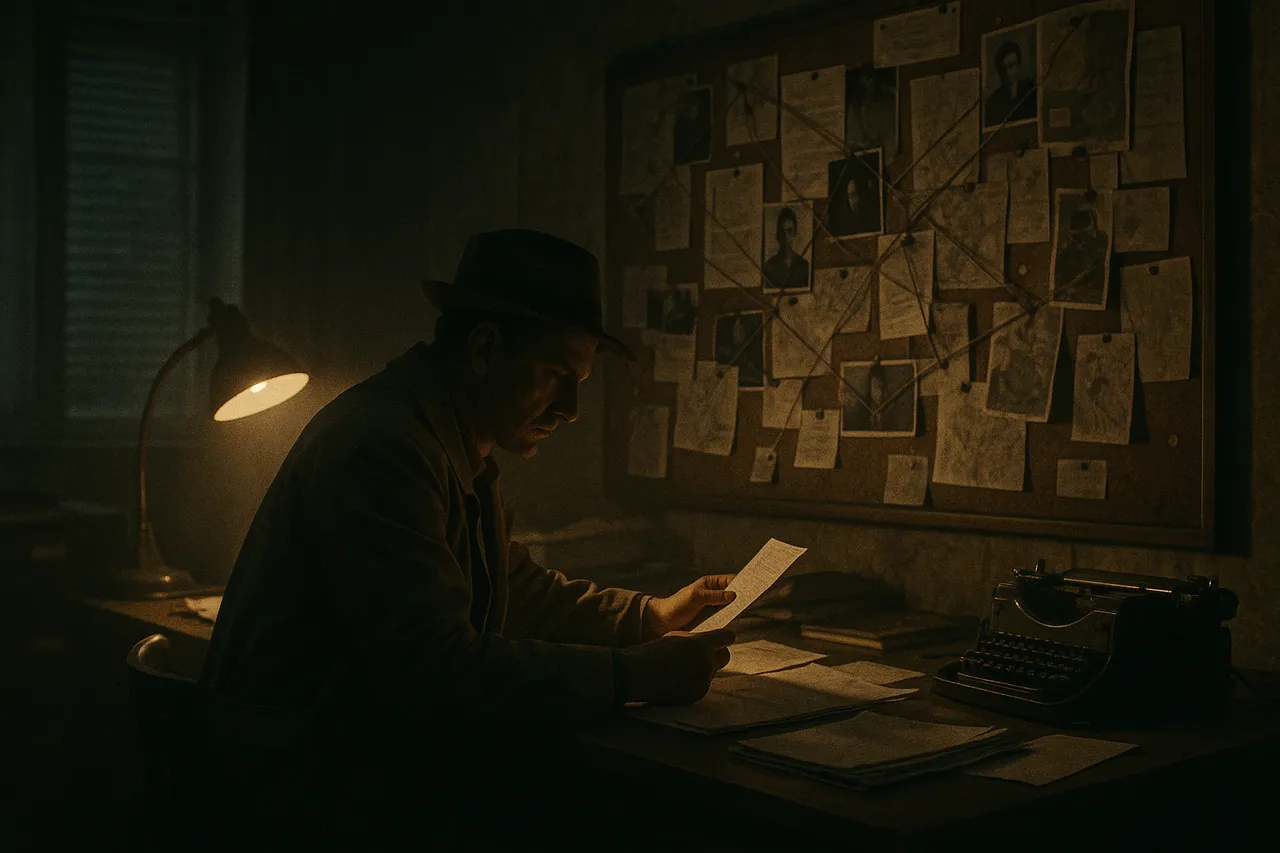
Interactive True-Crime Detective Games: Why Solving the Case Yourself Beats Watching a Documentary
True-crime documentaries offer passive observation. Interactive detective games demand active reasoning, evidence analysis, and logical deduction—skills that transform viewers into investigators.
→ Open file