

New Episodes, Smarter Tools: What's Changed at CrimeFile
The Case Library Expands
CrimeFile now offers twelve full-length detective scenarios. The most recent additions include a 1970s Soviet homicide worked without DNA evidence, a Depression-era American kidnapping that hinged on handwriting analysis, and a contemporary financial fraud case traced through blockchain ledgers. Each episode models the investigative tools available to detectives at the time—no anachronisms, no shortcuts.
The catalogue spans 1920 to the present. Players encounter cases built around typewriter forensics, witness interrogation protocols, early computerised databases, and modern genetic genealogy. The emphasis remains procedural accuracy. If a technique didn't exist in the era, it doesn't appear in the game.
Interface Refinements
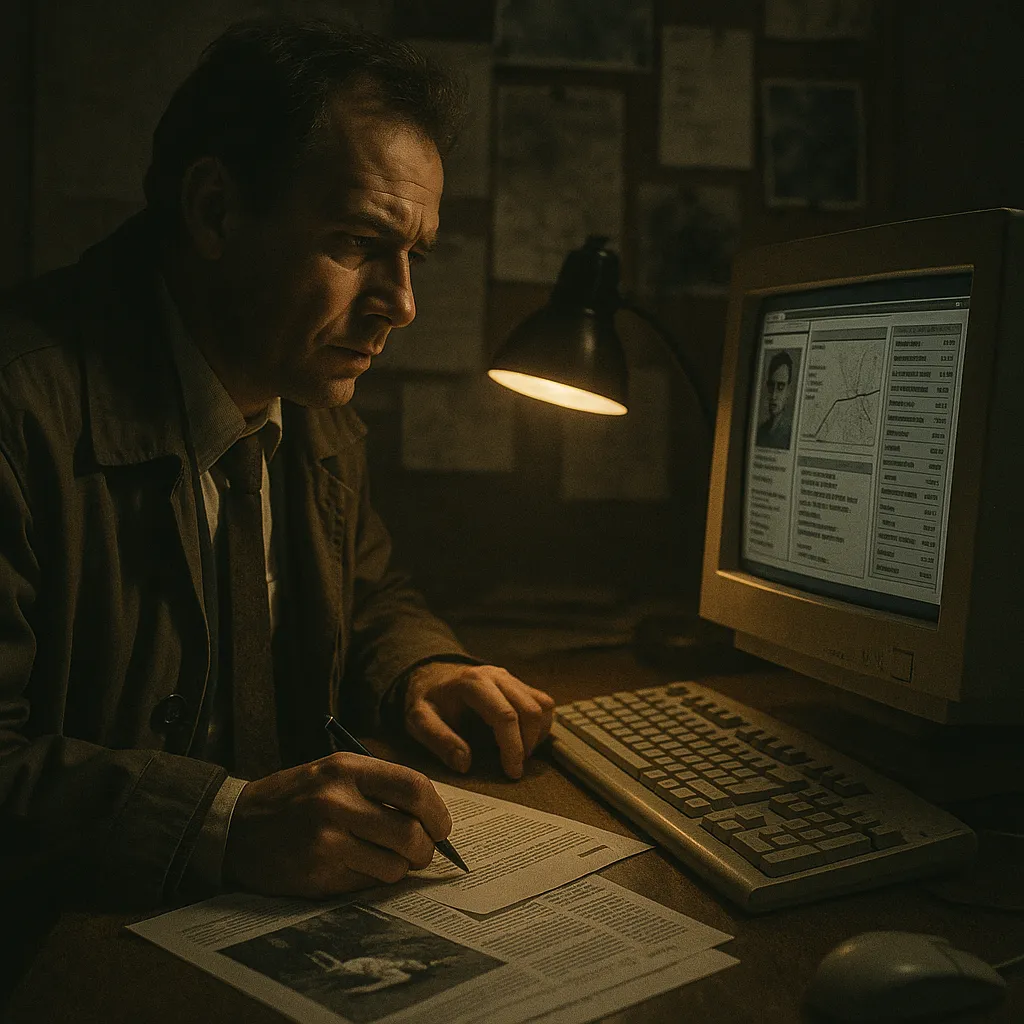
The evidence board system was redesigned. Players can now flag documents, link related items visually, and annotate exhibits without navigating away from the main workspace. The change reduces the number of clicks required to cross-reference testimony and physical evidence.
The timeline feature—previously linear—now supports branching paths. If two witnesses contradict each other, the timeline displays both versions until the discrepancy is resolved. This mirrors how detectives manage conflicting accounts in the field.
Search functionality improved. Players can filter the case file by evidence type, date range, or witness name. The search index now includes partial matches, which helps when a surname is misspelled in period documents or when OCR artifacts exist in scanned exhibits.
What's Under Construction
The next major feature is collaborative play. Teams of two to four players will be able to work the same case simultaneously, dividing investigative labour and comparing theories in real time. The system will track who examined which evidence and when, creating a shared audit trail. This mode is designed for study groups, amateur sleuths, and classroom use.
A case generator is in early testing. Players will input a time period, jurisdiction, and crime category; the system will assemble a procedurally generated investigation using historical templates and archival fragments. The goal is infinite replayability without sacrificing period detail. This tool is at least six months from release.
The mobile experience is being rewritten. The current responsive design works on tablets but is cramped on phones. The redesign prioritises readability of scanned documents and witness statements on small screens. No release date yet.
Episode Rotation and Difficulty Tiers

Episodes are now tagged by difficulty. Introductory cases involve three to five witnesses and straightforward physical evidence. Advanced cases may include hundreds of documents, unreliable narrators, and red herrings drawn from real investigative dead ends.
The platform rotates featured cases monthly. This isn't arbitrary curation—it's pedagogical. The featured case each month demonstrates a specific investigative technique or historical context. February's spotlight case, for example, centres on early fingerprint classification systems and the legal battles over their admissibility.
Why This Matters
CrimeFile exists because true-crime entertainment tends toward the lurid or the oversimplified. Podcasts reconstruct timelines; documentaries interview survivors; games often reduce investigation to quick-time events. None of these formats ask the audience to do the actual work: read the file, evaluate the evidence, construct a defensible theory.
The platform's value is in its resistance to hand-holding. There are no waypoints, no highlighted clues, no dialogue trees that funnel you toward the solution. You are given the case file. You solve it or you don't.
That ethos hasn't changed. What has changed is the infrastructure supporting it. More cases, better tools, fewer friction points between the player and the evidence.
Roadmap Notes
The team is four people. Development is deliberate, not rapid. Each new case requires months of archival work, legal review, and historical vetting. Features ship when they're defensible, not when they're marketable.
Collaborative mode is the next priority. After that: the case generator, then mobile. No feature is promised a release date until it clears internal testing.
Players who want to track progress can follow the devlog, which updates irregularly but honestly. There is no mailing list, no Discord server, no social media engagement strategy. The work is the communication.