
CrimeFile Platform Update: New Episodes and Features
Three New Cases Join the Archive
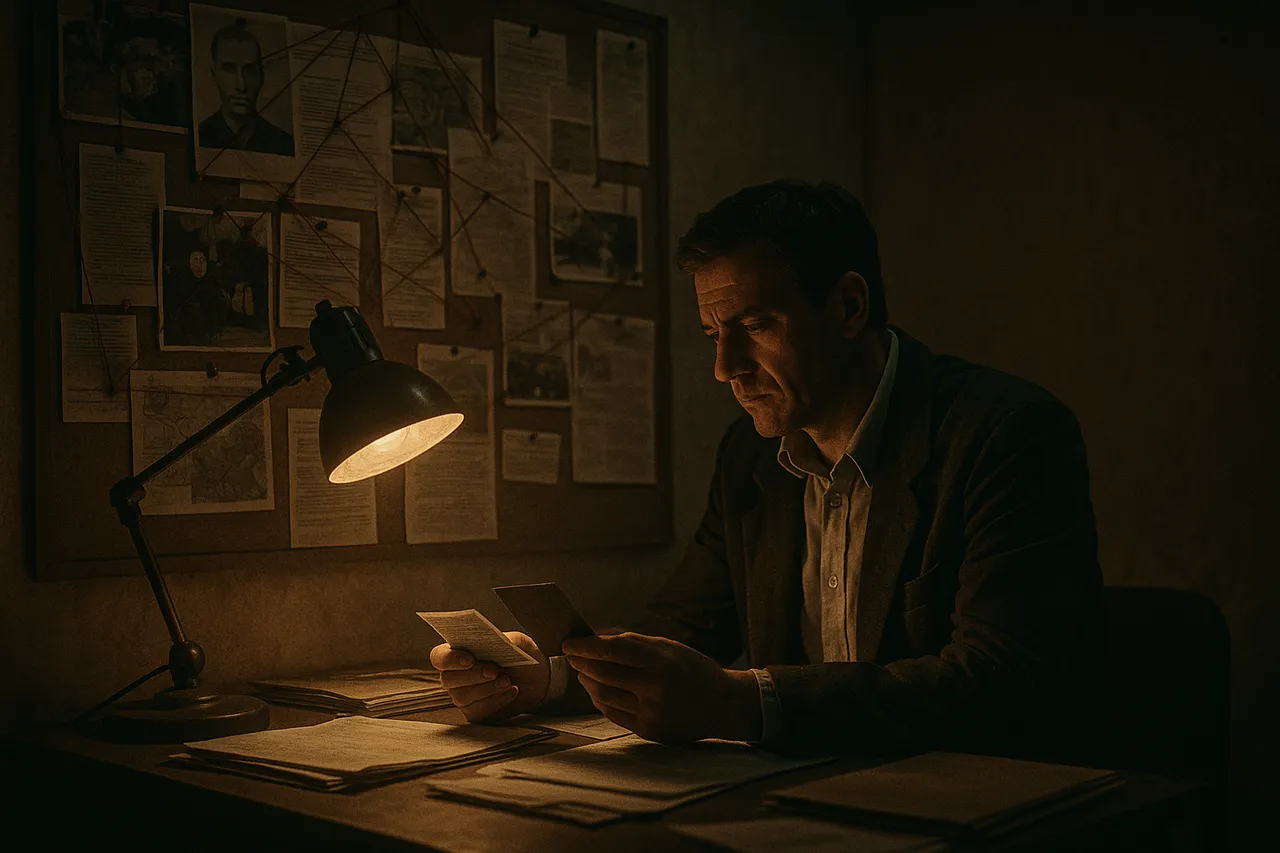
CrimeFile now hosts episodes covering the 1888 Jack the Ripper murders, the 1963 Great Train Robbery, and a previously unpublished Soviet-era case from Leningrad. Each episode runs 60-90 minutes and requires players to review period documents, witness statements, and forensic evidence before submitting conclusions.
The Ripper case focuses on the investigative failures of the Metropolitan Police rather than repeating familiar narrative. Players examine original coroner reports and press coverage to understand why Victorian investigative methods collapsed under public pressure. The Great Train Robbery episode reconstructs the railway heist through police notebooks and witness interviews, then asks players to identify weaknesses in the gang's plan. The Leningrad case remains under wraps until launch; Soviet criminal files were not declassified lightly.
Evidence Interface Redesign
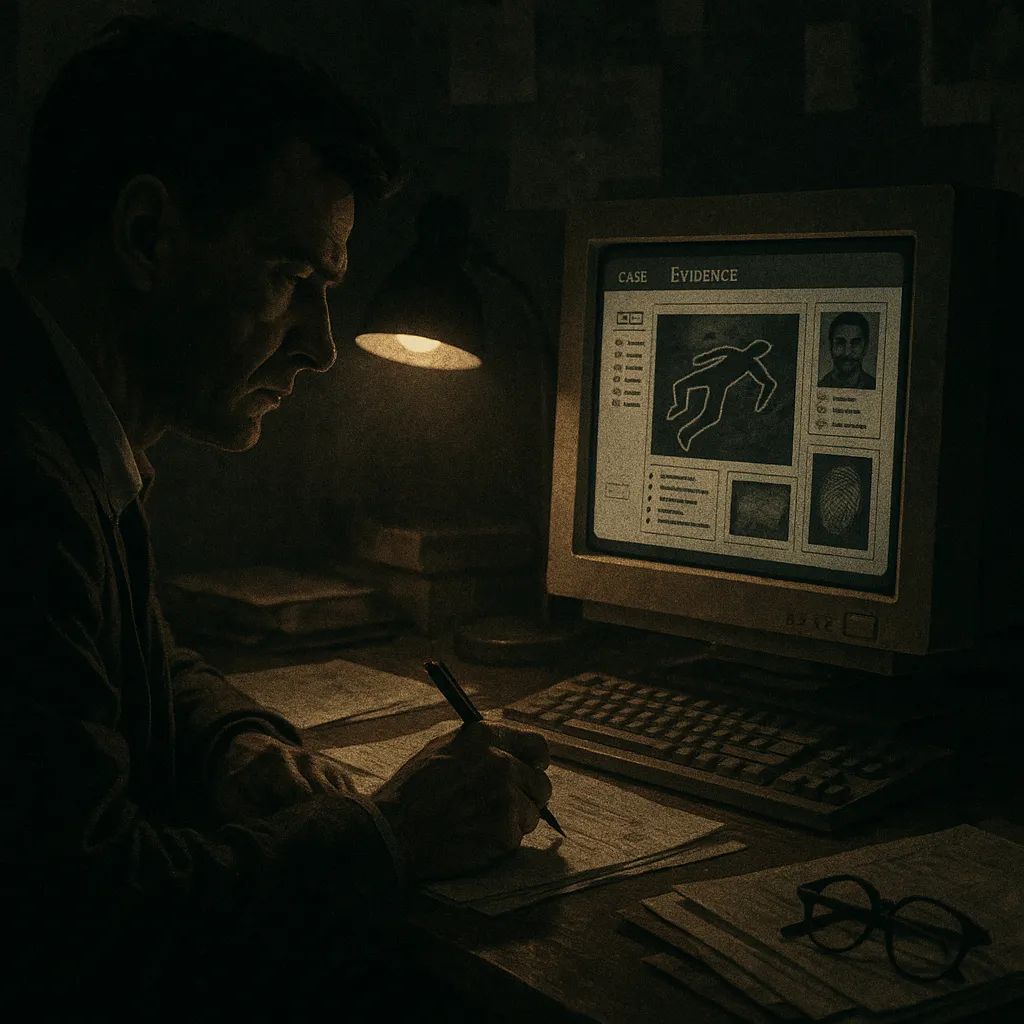
The platform's document viewer has been rebuilt. Players can now cross-reference evidence without losing their place. Open multiple documents in tabs. Highlight text and attach notes that persist across sessions. Search the case file for names or dates.
The previous interface forced linear navigation — examine evidence in sequence, return to index, select next item. Players asked for the ability to compare witness statements side by side or revisit forensic reports without scrolling through twenty screens. The new system answers that request.
Timeline visualisation has been added for cases with complex chronologies. Events appear on a horizontal axis; click any event to view associated evidence. This matters most in cases like the Great Train Robbery, where alibis and train schedules must be reconciled to the minute.
What the Roadmap Holds
Mobile versions enter beta testing next month. iOS and Android apps will mirror the desktop experience but adapt evidence presentation for smaller screens. Document text becomes more readable; timeline views compress intelligently. The goal is identical gameplay across devices, not a stripped-down mobile port.
Collaborative play is planned for Q2. Two or more players will share a case file, review evidence independently, and compare conclusions before submitting a joint verdict. Early tests show that players catch errors in each other's reasoning — one player fixates on forensic evidence while another notices a discrepancy in witness testimony. The feature suits both classroom use and casual multiplayer.
Additional historical periods are being researched. The current catalogue emphasises Victorian and mid-20th-century cases because those eras are well-documented. Expansion into medieval crime or ancient Rome requires different source material — legal records, not forensic reports. Expect announcements when the research phase concludes.
No Subscription Model
CrimeFile remains pay-per-episode. Players purchase individual cases or bundles; no monthly fee. This structure persists because the editorial team believes in finite, complete experiences. A case should feel like reading a book, not watching a streaming series that inflates runtime to justify subscription revenue.
Episode pricing adjusts slightly. New releases cost more than catalogue cases. Players who purchase a case own it permanently; updates and interface improvements are free.
User-Submitted Case Suggestions
The feedback form now includes a section for case suggestions. Players have requested the Zodiac Killer, the Isdal Woman, and the Axeman of New Orleans. These are noted. Case selection depends on archival access, not popularity. If the investigative files are unavailable or too fragmentary, the episode cannot be built accurately.
Some suggested cases are too recent. CrimeFile does not cover crimes from the last twenty years unless all legal proceedings have concluded and families have given explicit consent. This is editorial policy, not legal constraint.
Technical Notes
Performance improvements reduce load times by 40 percent. The platform now preloads evidence images while players read case introductions. Server infrastructure has been upgraded to handle increased traffic during episode launches.
Accessibility features have been expanded. Screen reader support is now complete for all evidence types. Keyboard navigation allows players to move through documents without a mouse. Colour contrast ratios meet WCAG 2.1 AA standards.
The platform remains ad-free. Revenue comes from episode sales alone.