
What's New on CrimeFile: Episodes, Features, and the Road Ahead
The Archive Grows
CrimeFile now hosts forty-seven playable episodes. The latest additions cover Soviet-era disappearances, Cold War espionage blunders, and a 1980s murder in a Siberian mining town that hinged on a single misplaced receipt. Each case is researched from archival sources, declassified files, and period press accounts. No invented crimes.
The cases span jurisdictions and decades. You'll find Victorian poisonings alongside 1970s organised crime hits. The common thread: every episode presents the evidence as investigators encountered it, incomplete and contradictory. You decide what happened.
Evidence Navigation Overhaul
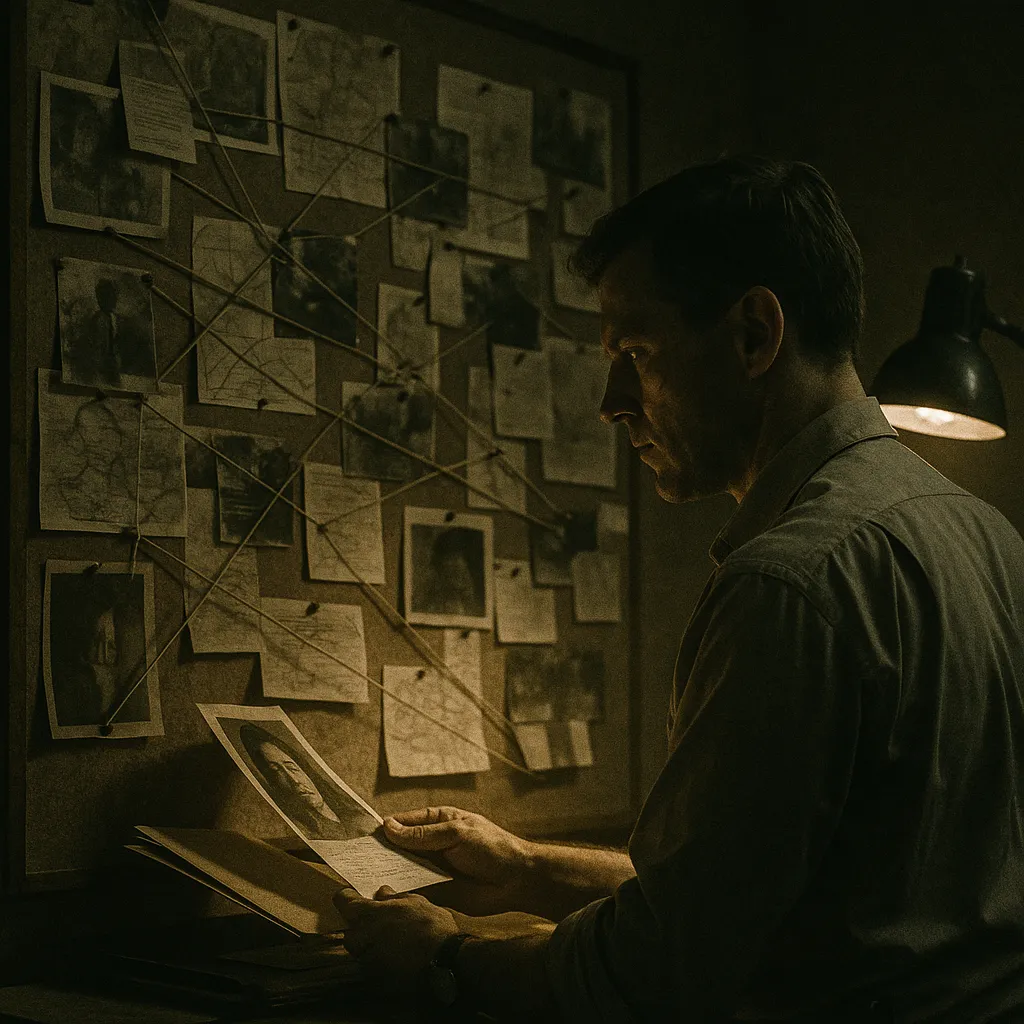
The evidence interface was rebuilt. Previously, players clicked through a linear list of documents, photographs, and witness statements. It worked, but it didn't scale.
The new system organises evidence by type and date. Filter by witness statements, forensic reports, or physical objects. Timeline view shows when each piece entered the investigation. Search by keyword if you remember a name or location but not which file it appeared in.
This matters in cases with dozens of exhibits. Episode 39, a Moscow theatre fraud case, contains eighty-three pieces of evidence. The old interface made cross-referencing painful. The new one treats you like a detective who needs to move fast.
Case Notes and Hypothesis Tracking
You can now write notes directly on evidence items. Click any document, add your observation, and it saves to your case file. Notes are private. They don't affect scoring.
The hypothesis board lets you build theories as you go. Drag evidence into groups, label connections, mark contradictions. When you're ready to submit your solution, the board becomes a reference. It's optional — some players prefer mental maps — but for complex cases it prevents losing threads.
What's Coming
Three features land in the next quarter.
Collaborative cases. Two players, one case file. You'll work the same evidence separately, then compare conclusions before submitting a joint solution. Designed for players who want to debate theories without spoiling solo play.
Archival audio. Selected episodes will include period radio clips, intercepted calls, or interview recordings. Not dramatisations — actual historical audio where available, synthesised period-accurate audio where it's not. Episode 52, a 1960s defection case, already has the audio integrated. If it works, we expand it.
Difficulty ratings. Cases currently appear in chronological order. Soon you'll filter by complexity. Some cases resolve in thirty minutes with three witnesses and a clear timeline. Others take hours and demand you spot a forged signature in a forty-page contract. Both are valid; you should know which kind you're starting.
Why This Matters
CrimeFile isn't a narrative game. There's no cutscene, no dialogue tree, no branching storyline. You read evidence, apply logic, and submit conclusions. The platform either supports that process or gets in the way.
Every update serves the same goal: remove friction between you and the case. Faster evidence access. Better note-taking. Clearer hypotheses. If a feature doesn't help you think through a case, it doesn't ship.
The next forty-seven episodes are already in research. Some are famous cases revisited with newly declassified material. Others are obscure files that never made the press but contain better puzzles than the famous ones. All are real. All are solvable.
If you've been away, come back. If you're new, start anywhere. The archive is deep enough now that you'll find cases that match how you think.