
What's New on CrimeFile: Episodes, Tools, and the Road Ahead
The Archive Grows
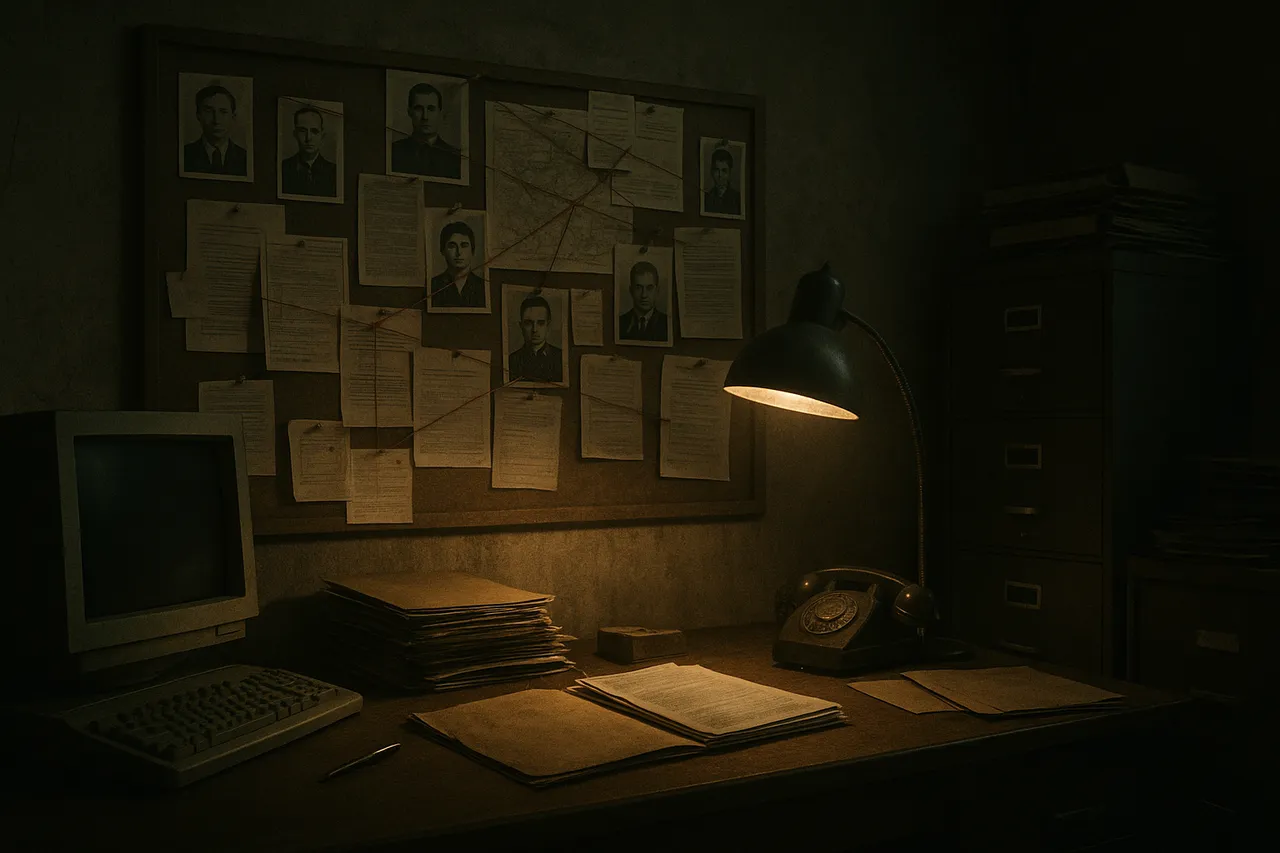
CrimeFile now holds forty-seven criminal cases spanning seven decades and four continents. The latest additions focus on the Soviet Union between 1968 and 1991 — a period when forensic science advanced rapidly while political constraints shaped what investigators could say publicly. Episodes 44 through 47 reconstruct murders investigated under those conditions: incomplete autopsies, witness testimony filtered through ideology, evidence that vanished into ministerial files.
These are not hypothetical puzzles. Each case is built from trial transcripts, archival photographs, and investigator memoirs. Players work with the same material the original detectives had — and sometimes less, because certain documents remain classified.
Evidence You Can Examine
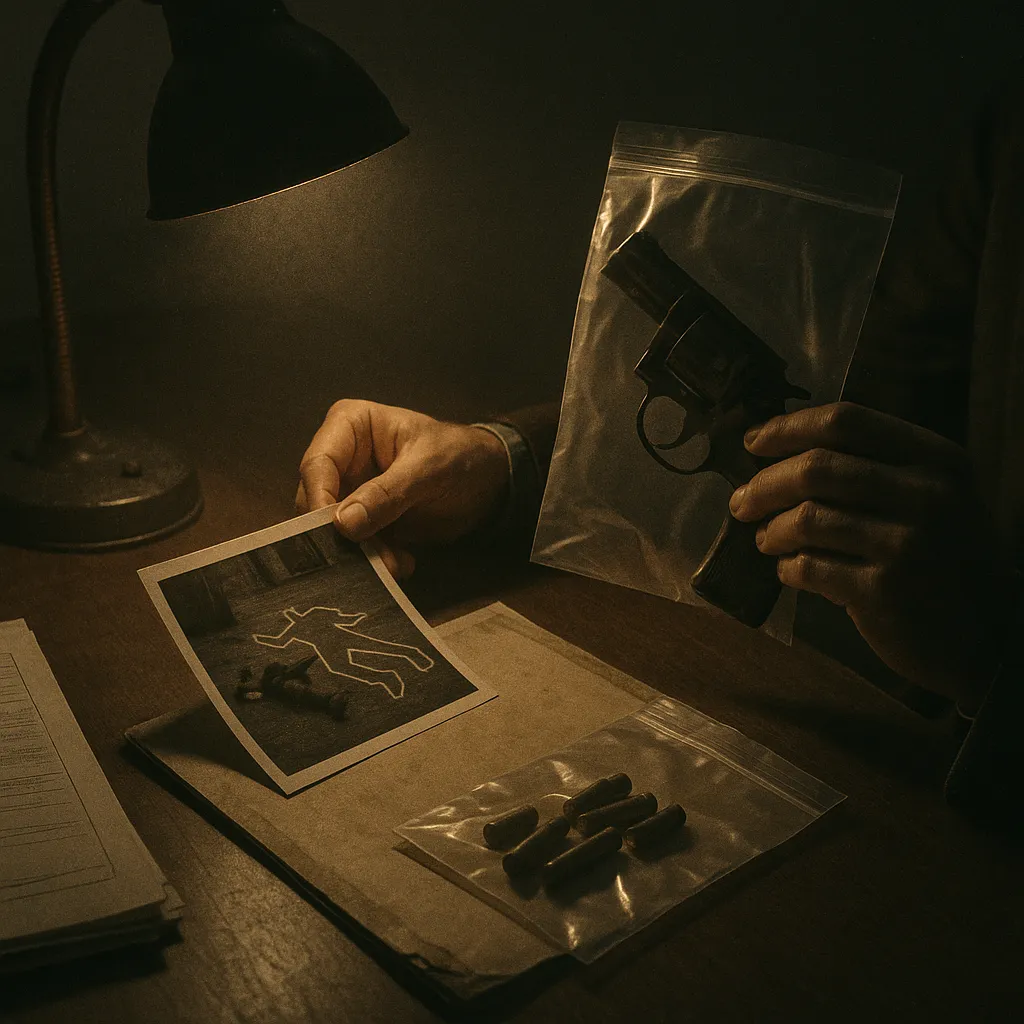
The platform's evidence interface was rebuilt from scratch. Previously, documents appeared as static images with captions. Now each piece of evidence — a ballistics report, a surveillance log, a confession transcript — exists as a structured object. You can cross-reference timestamps, compare handwriting samples, filter witness statements by location.
This matters for cold cases. When you have thirty witness interviews and a timeline that doesn't align, you need to sort by date, by location, by who knew whom. The old system made that tedious. The new one makes it possible.
Forensic tools now include chemical analysis results, fibre comparisons, and blood-spatter diagrams. These aren't decorative. If a suspect claims he was never in the victim's apartment, and you find his carpet fibres on the body, that's evidence. The platform asks you to justify your conclusions with it.
What Players Are Solving
The completion rate for episodes 1 through 30 sits at sixty-two percent. Episodes 31 through 47 — the harder cases — show a forty-one percent solve rate. That gap is intentional. Early cases teach investigative method: secure the scene, interview witnesses, follow the physical evidence. Later cases demand you apply those methods under pressure: conflicting testimonies, contaminated evidence, suspects with alibis that almost hold.
Players who solve the 1979 Leningrad case typically spend four hours examining financial records before they notice the anomaly. The evidence was always there. It just required patience.
Mobile Access and Offline Play
The platform now functions on phones and tablets without performance loss. Case files load in under two seconds; evidence images are optimised for small screens. This wasn't a cosmetic upgrade — many players work cases during commutes or in waiting rooms, times when a laptop isn't practical.
Offline mode launches next month. Download a case, work it without connectivity, sync your progress later. Useful for flights, useful for regions with unreliable internet, useful for anyone who prefers to think without distractions.
Coming in 2025
Three new episode batches are in production. One covers American serial murder investigations from the 1970s, when profiling was experimental and DNA evidence didn't exist. Another examines financial fraud cases in post-Soviet Russia, where proving intent meant tracing shell companies through jurisdictions that kept no records. The third focuses on forensic genealogy — the technique that solved the Golden State Killer case and dozens of others.
A collaborative mode is in testing. Two players work the same case independently, then compare conclusions. If you both arrive at the same suspect through different reasoning, the solution probably holds. If you diverge, one of you missed something.
The archive will also expand backward. Pre-1950 cases present challenges — fewer photographs, less standardised autopsy protocols, investigative methods that have since been discredited. But the puzzles remain valid. A locked-room murder in 1932 obeys the same physical laws as one in 1982.
Why This Matters
CrimeFile isn't a quiz platform. It's a training environment for investigative thinking: form hypotheses, test them against evidence, revise when the facts don't fit. That skill applies beyond true crime. It applies anywhere pattern recognition and scepticism matter.
The cases are real because real cases resist easy answers. They contain irrelevant details, incomplete data, and moments where the truth depends on which witness you believe. Learning to work with that uncertainty is the point.
New episodes arrive monthly. The archive stays open. Start anywhere.