

What's New on CrimeFile: Episodes, Features, and the Road Ahead
New Episodes, Same Investigative Rigor
Four new cases went live this month. Each reconstructs a real investigation — from the initial crime scene report to the courtroom aftermath. The episodes span three continents and seven decades. Soviet-era Moscow. Post-war Berlin. 1970s California. The settings change; the investigative discipline does not.
Players work through primary documents: witness statements, autopsy reports, forensic photographs. The system does not hold your hand. There are no glowing markers, no auto-solving puzzles. You read. You compare timelines. You notice contradictions. The deduction happens between your ears.
Each episode runs 60 to 90 minutes for a careful player. Some finish faster. Some take notes and come back the next day. Both approaches are valid. The cases do not expire.
Technical Improvements You'll Actually Notice

The platform underwent structural work. Load times dropped. The evidence viewer now handles high-resolution scans without lag. Mobile layout no longer requires horizontal scrolling on smaller devices.
The case engine — the system that tracks your progress and validates conclusions — received an overhaul. It now processes multi-step deductions more reliably. If you construct a timeline of alibis and cross-reference forensic data, the engine recognises the logic path. Previously, some valid reasoning chains were missed. That gap has closed.
Save states are more robust. Your progress persists across sessions and devices. Start a case on desktop, continue on mobile. The system syncs within seconds.
What Players Are Saying
The feedback loop runs both ways. Players report bugs. They suggest interface tweaks. They ask for harder cases. Some of that input shaped this update.
One recurring request: more archival photography. Done. Episodes now include contextual images — street scenes, period news clippings, maps — that help players visualise the setting without breaking immersion. These are not decorative. A 1950s Berlin transit map might clarify an alibi. A news photo might reveal what a witness could or could not have seen.
Another request: difficulty options. Not implemented, and here's why. CrimeFile cases are designed to be difficult but fair. Adding an "easy mode" would require dumbing down the evidence or providing hints that undermine the investigative experience. Instead, we're building a better tutorial system that teaches document analysis and deductive reasoning without softening the cases themselves.
The Next Phase: Deeper Cases, Better Tools
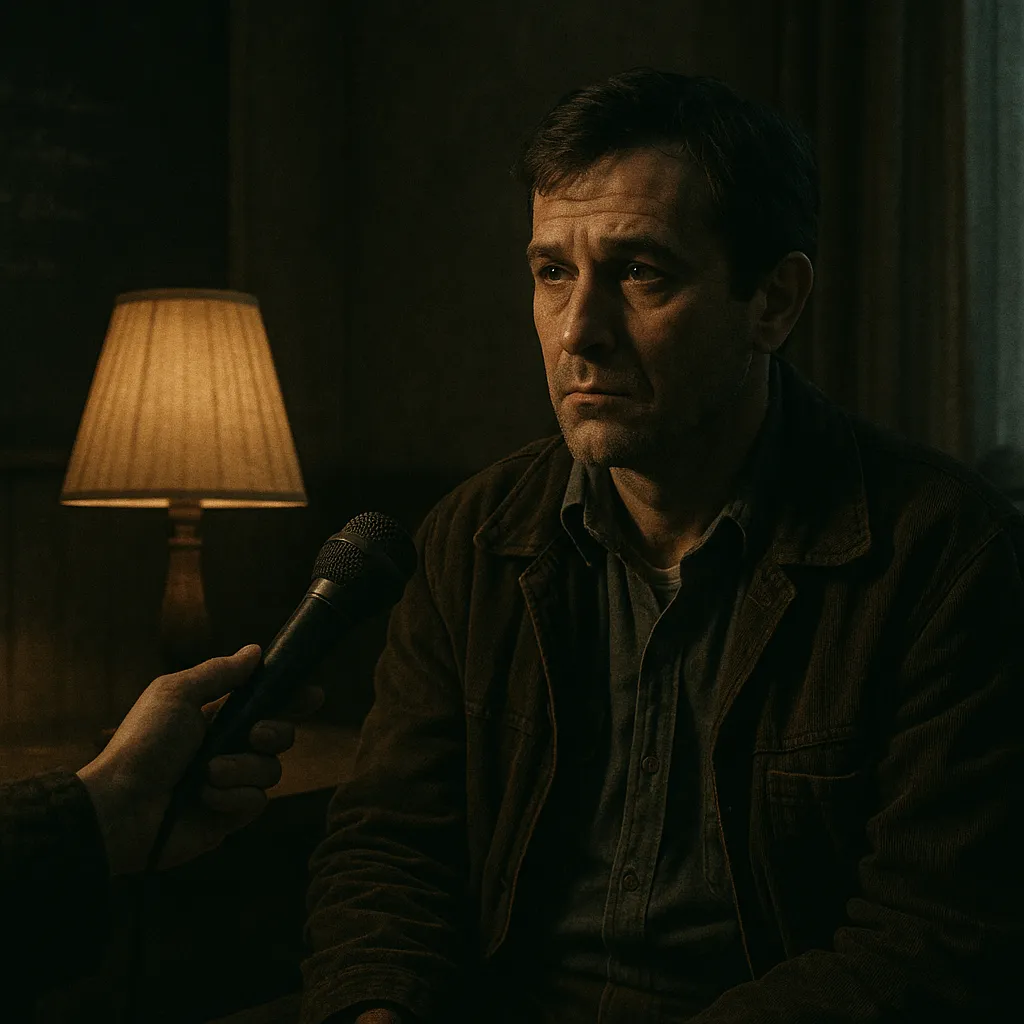
Development continues. The next batch of episodes is in production. These will be longer — two to three hours each — and structurally more complex. Multi-suspect cases where alibis interlock. Cold cases reopened with new forensic techniques. Investigations that span years.
The platform will also introduce collaborative case review. After solving a case, you'll be able to compare your reasoning with other players' approaches. No spoilers for unsolved cases; this feature unlocks only after you've reached a conclusion. Think of it as a detective debriefing. You'll see which evidence other investigators prioritised, which leads they pursued, where their logic diverged from yours.
A timeline builder is in testing. This tool lets you construct a visual chronology of events, cross-referenced with witness statements and forensic findings. It's optional — some players prefer handwritten notes — but for those who think visually, it should clarify complex cases.
Why This Matters
True-crime entertainment has flooded the market. Most of it is passive. You watch. You listen. You scroll. CrimeFile asks more of you. It asks you to read dense documents, to hold contradictory testimonies in your head, to construct arguments from incomplete data.
This is not gamified escapism. It's a training ground for critical thinking. The skills you practice here — evaluating evidence, testing hypotheses, admitting when you're wrong — transfer to the real world.
New episodes arrive monthly. The platform evolves based on how people actually use it. No roadmap promises, no feature hype. Just cases, evidence, and the work of figuring out what happened.
The next case is waiting.