
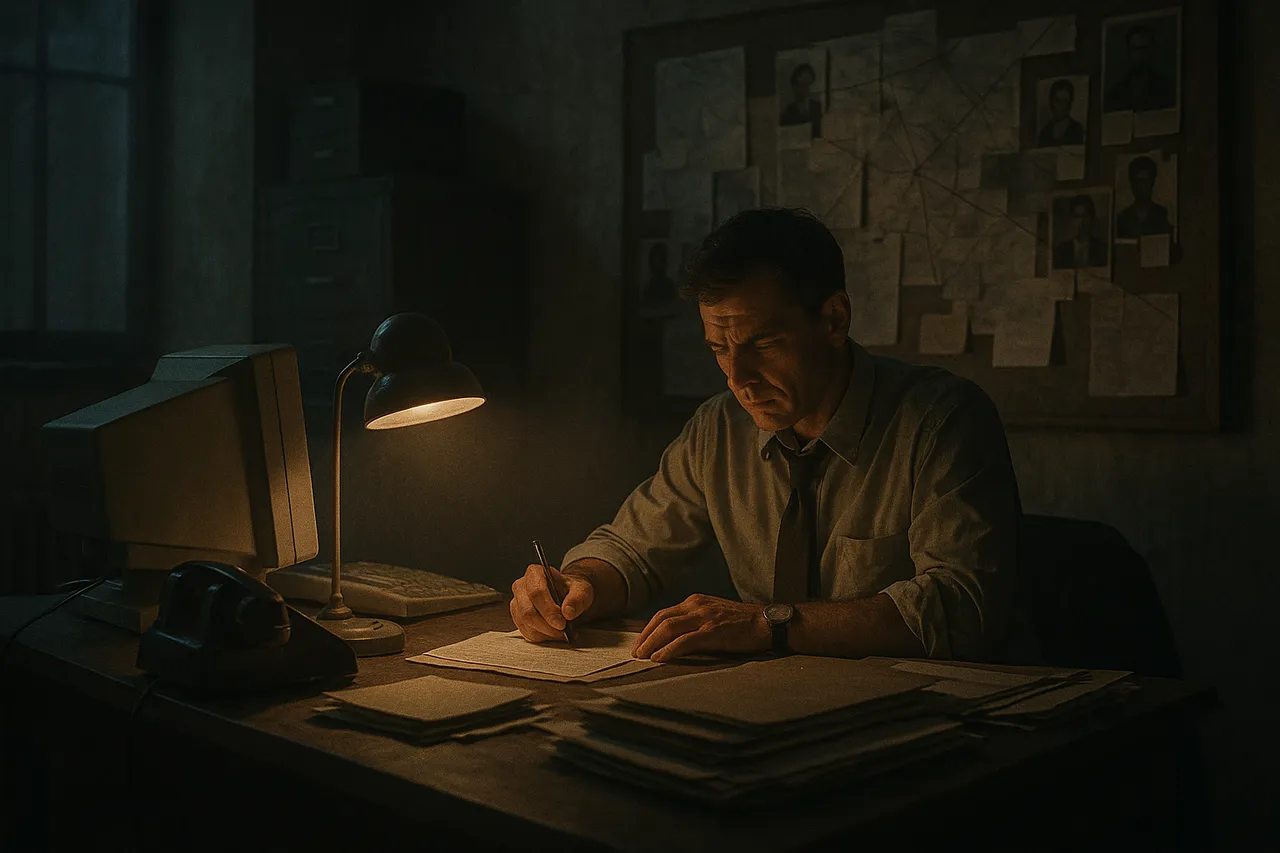
What's New on CrimeFile: Episodes, Features, and the Road Ahead
Fresh Cases, Familiar Methods
CrimeFile has added six episodes since autumn. Each one pulls from a different investigative tradition: a 1982 Moscow apartment break-in reconstructed from militia files, a 1970s California serial case built around forensic genealogy, a London fraud ring unravelled through ledger analysis. The cases vary in era and geography, but the method stays consistent—examine evidence, test theories, follow the logic wherever it leads.
The episodes are not tutorials. They assume you know how to read a witness statement, cross-reference timelines, and recognise when someone is lying by omission. What they offer is structure: curated evidence sets, period-accurate documents, and investigative frameworks that mirror how real detectives worked before digital databases did the thinking for them.
Interface Refinements
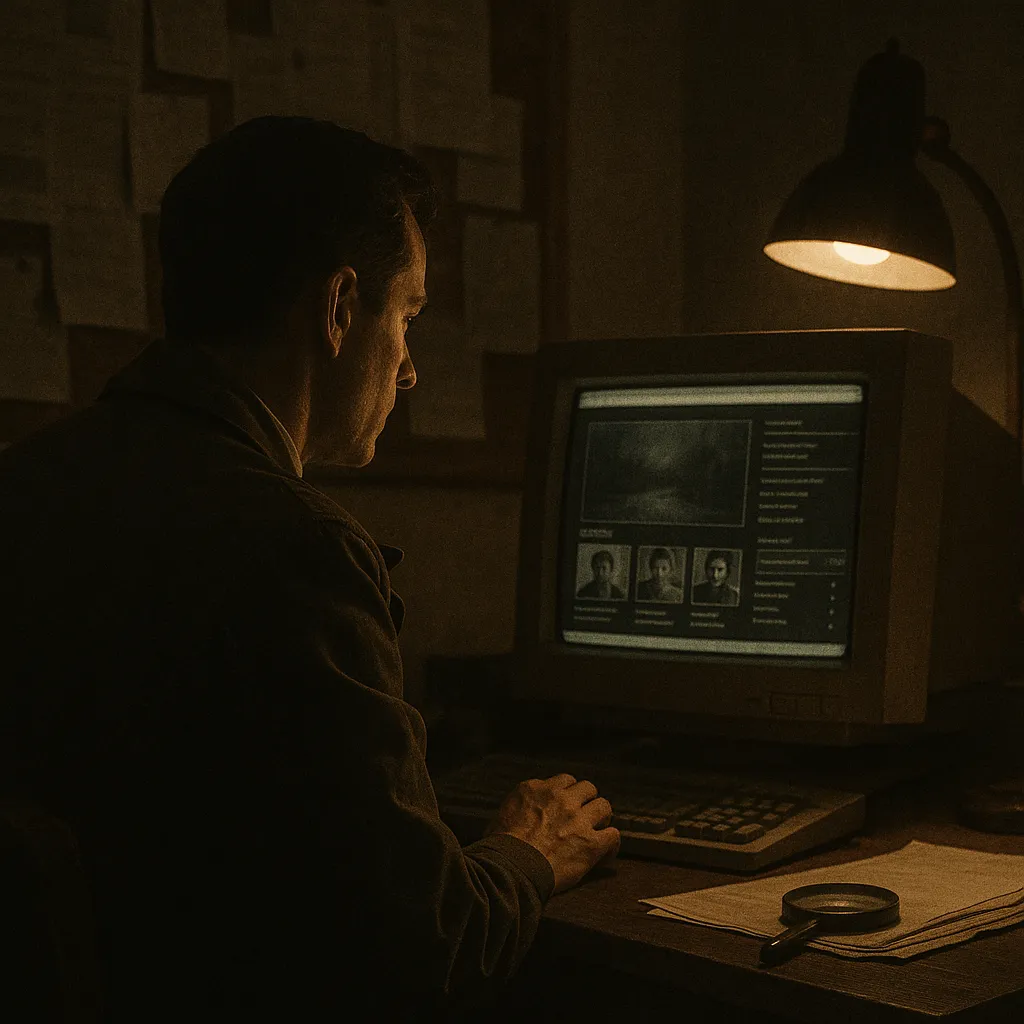
The evidence viewer has been rebuilt. Documents now load faster, images scale properly on mobile, and the annotation system no longer loses your notes when you switch tabs. Small fixes, but they matter when you are three hours into a case and your hypothesis depends on a marginal note in a coroner's report.
The timeline tool got attention too. You can now layer multiple witness accounts on a single chronology and spot contradictions visually. It is the kind of feature that sounds obvious until you try building it—aligning vague recollections of "late afternoon" and "just before dark" across different time zones and calendar systems takes more engineering than you would expect.
Search has improved. The old keyword system was crude; the new one understands context. Search for "alibi" and you get statements claiming whereabouts, not every mention of the word. Search for "fingerprint" and the system distinguishes between prints found at the scene and prints used for comparison. It is not AI magic—just better indexing and a respect for how investigators actually query case files.
What Players Are Doing
The solving rate has dropped, which is good. Early episodes were too forgiving; experienced players solved them in under two hours. The newer cases require sustained attention. Players spend longer with evidence, revisit documents they dismissed earlier, and file reports that show real investigative reasoning.
Some users have started collaborating. The platform was not designed for team play, but groups are using shared documents and video calls to work cases together. We are watching that pattern. If it becomes common, we will build tools for it. For now, we are staying out of the way.
Coming Soon
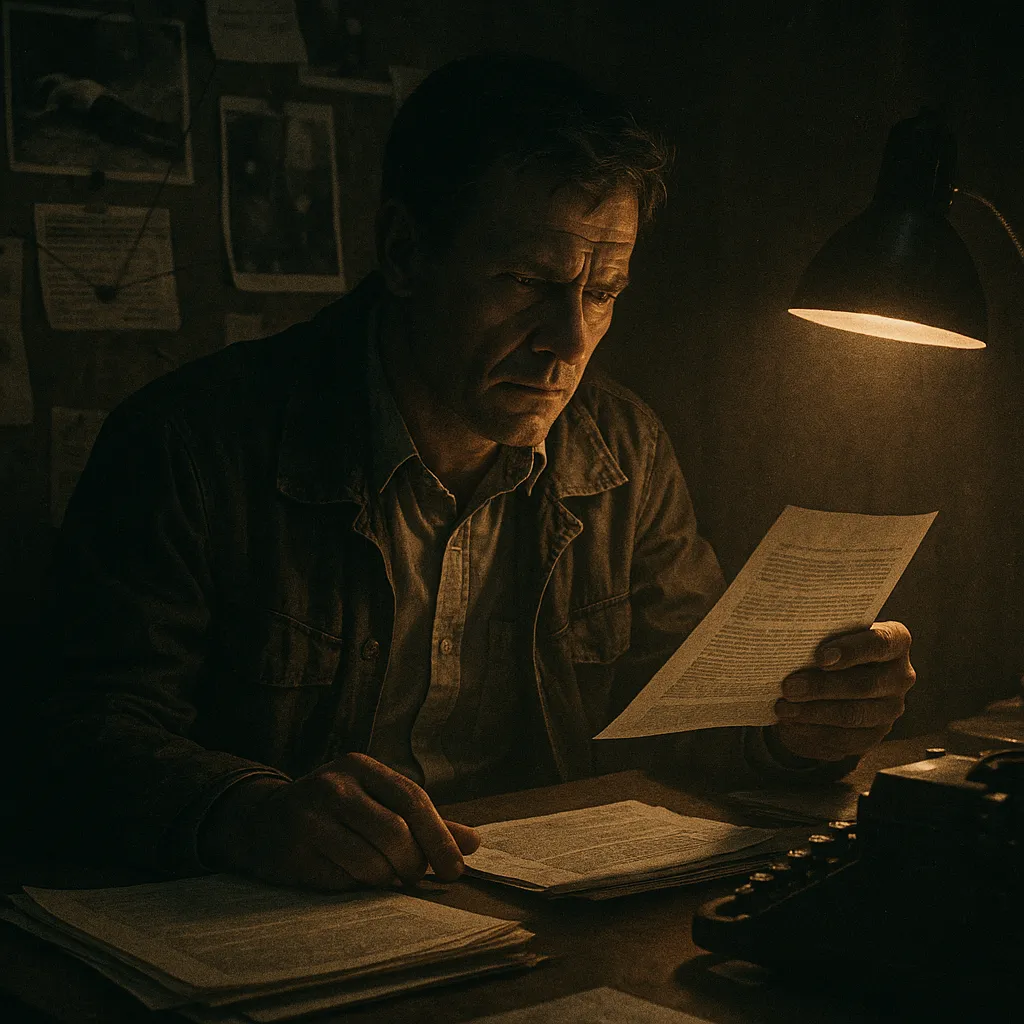
Three episodes are in production. One is a 1950s Soviet case involving the death of a factory engineer; another is a 1990s British investigation into organised theft of art and antiquities; the third is a San Francisco Zodiac-adjacent cold case that has never been dramatised before. All three are in the research phase, which means reading trial transcripts, interviewing retired investigators, and verifying that every document we create could plausibly have existed.
We are also building a case editor. It will let players create and share their own investigations using the CrimeFile framework. You will be able to upload evidence, write suspect dossiers, and define win conditions. The tool is not ready yet—document verification and plagiarism prevention are harder problems than they sound—but it is coming.
No Roadmap Promises
We do not publish roadmaps. Features get built when they are ready, episodes launch when the research is defensible, and we do not tease content we cannot deliver. This is a small team working on a niche product for people who care about investigative craft. The work moves at the speed of quality, not hype.
If you have played CrimeFile, you know what it is. If you have not, the first three episodes are free. No trial period, no credit card, no pitch. Just cases and evidence and the question of whether you can solve them.