
Platform Update: New Episodes, Features, and What's Coming to CrimeFile
Three New Episodes
CrimeFile added three episodes this month. Episode 47: The Vanishing Act dramatises the 1978 disappearance of a Soviet-era ballet dancer from a Leningrad hotel. Players trace passport records, interview defectors, and decode radio intercepts. The case draws on declassified KGB files from the 1990s.
Episode 48: The Vanishing Hour shifts to London, 1963. A clockmaker is found dead in his workshop, every timepiece stopped at 3:17. The episode leans on forensic horology — players must determine whether the clocks were stopped manually or by electromagnetic interference. The solution hinges on understanding mechanical versus quartz movements.
Episode 49: The Third Man returns to Cold War Berlin. An informant is killed in the French sector; three intelligence services claim no knowledge. Players cross-reference CIA, MI6, and DGSE cable traffic to identify the actual handler. The episode was researched from memoirs of former case officers and recently opened archives.
All three episodes are now playable. Each runs 90–120 minutes.
Evidence Management Overhaul
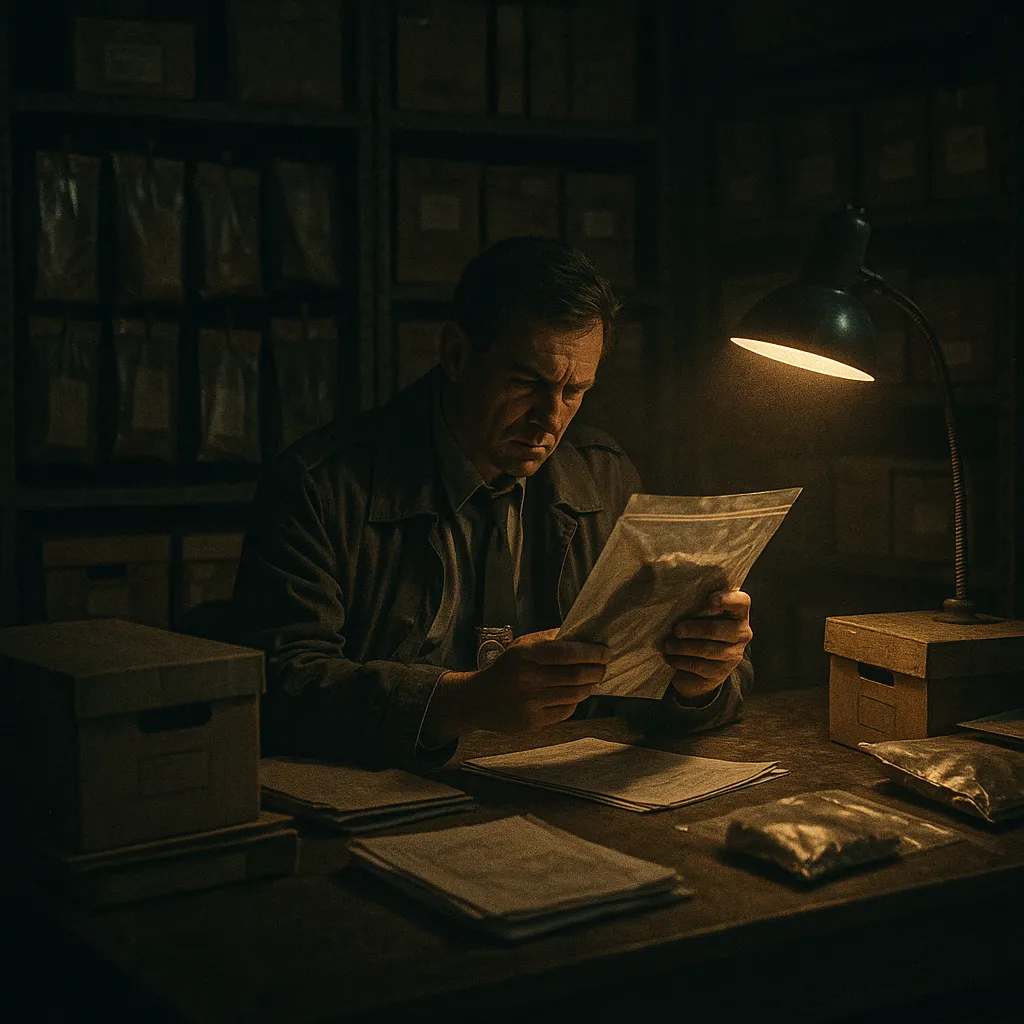
The evidence locker was rebuilt from scratch. Players reported that the old system made it hard to compare documents side by side or track which items had been fully examined.
The new locker allows split-screen viewing. Open two pieces of evidence simultaneously — a witness statement and a crime scene photo, for instance. Text documents now support keyword search. If you remember a suspect mentioned "Thursday" but can't recall which file, search the locker.
Evidence is now tagged by type: physical, testimonial, documentary, forensic. Filters let you isolate, say, only forensic reports or only witness interviews. The system remembers which items you've read; unread items carry a blue dot.
These changes respond to player feedback from the past six months. The old locker treated evidence as a flat list. The new one treats it as an investigative toolkit.
Case Board Redesign
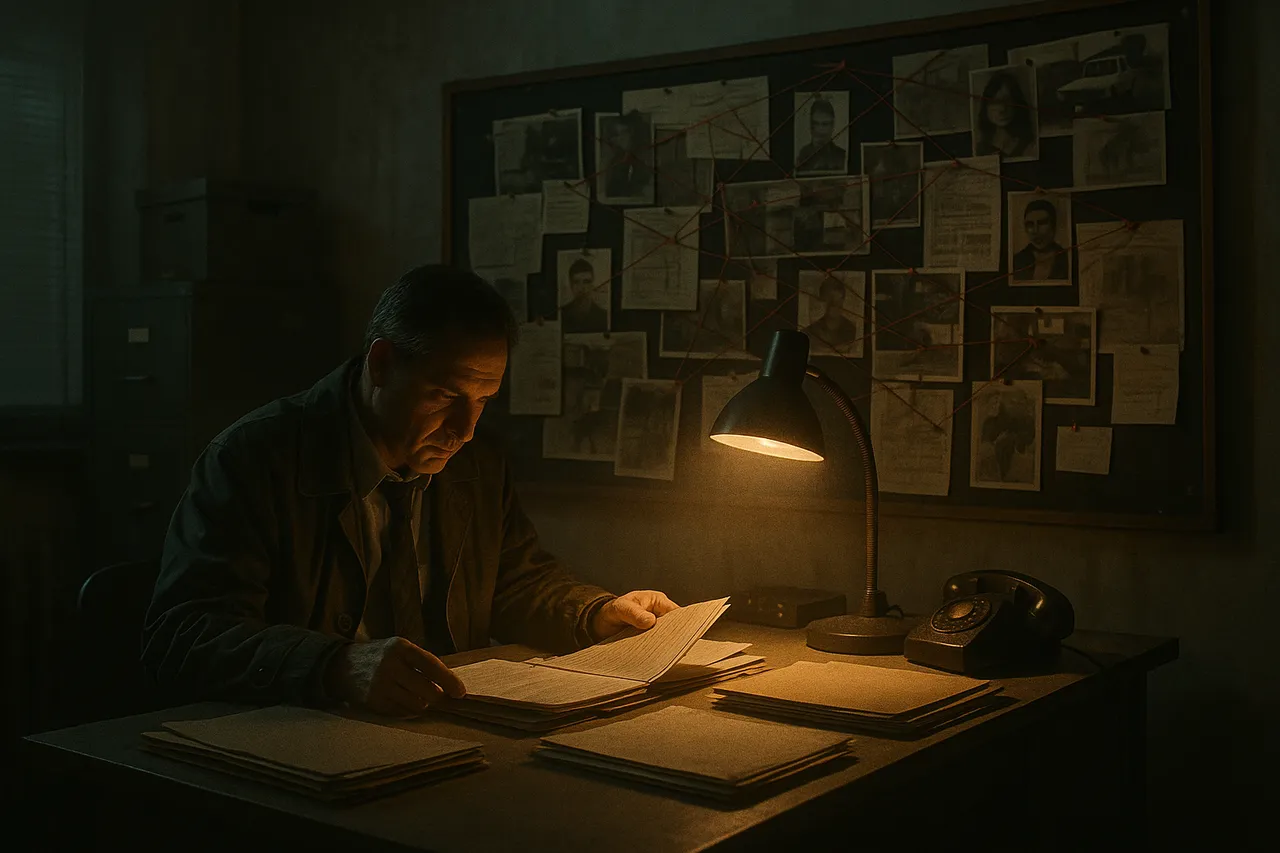
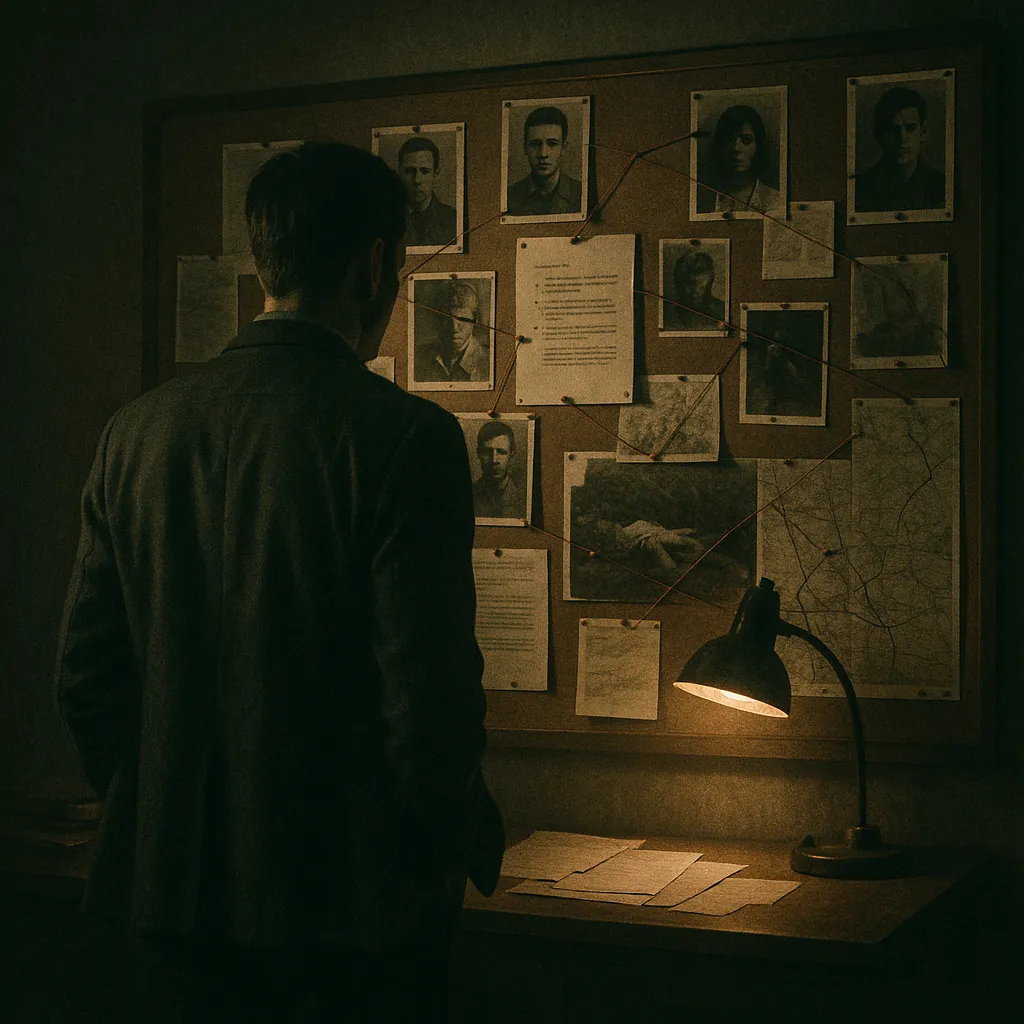
The case board — where players pin suspects, motives, and timelines — received a visual overhaul. Connections between pieces of evidence are now drawn as directed arrows, not generic lines. If Document A corroborates Witness B, the arrow shows the logical relationship.
Players can now label connections. A line between two suspects might be tagged "business partners" or "known associates". The board remembers these labels across sessions.
The timeline view was flattened. Instead of a vertical scroll, events now appear on a horizontal axis. Zoom in to see minute-by-minute movements during a crime; zoom out to see a suspect's activities over weeks. The timeline syncs with the evidence locker — click an event, and the relevant document opens.
The redesign took four months. Early testers said the old board felt like a static diagram. The new one feels like a working detective's wall.
What's Coming
Two features are in development.
Collaborative cases will allow two players to work the same episode simultaneously. One player might focus on forensics while the other interviews witnesses. Shared case boards update in real time. The feature is in closed beta; a public release is planned for spring.
Archival mode will let players explore historical context outside the game narrative. If an episode mentions the 1950s FBI fingerprint database, archival mode will open a sidebar with photos, technical specs, and primary sources. This is editorial content, not gameplay — it's for players who want to go deeper. The first archival sets cover forensic techniques from 1920–1980.
Both features were requested by the community. Collaborative cases came up in player surveys; archival mode emerged from forum discussions about historical accuracy.
Why These Changes
CrimeFile's design philosophy is that investigative games should feel like investigative work. Real detectives compare documents, build timelines, and test theories against evidence. The platform exists to simulate that process without arcade mechanics or artificial time pressure.
The updates this month all serve that goal. The evidence locker is more functional. The case board is more flexible. The new episodes test players' ability to think across jurisdictions and eras.
More updates are scheduled quarterly. The next roadmap post will appear in March.