
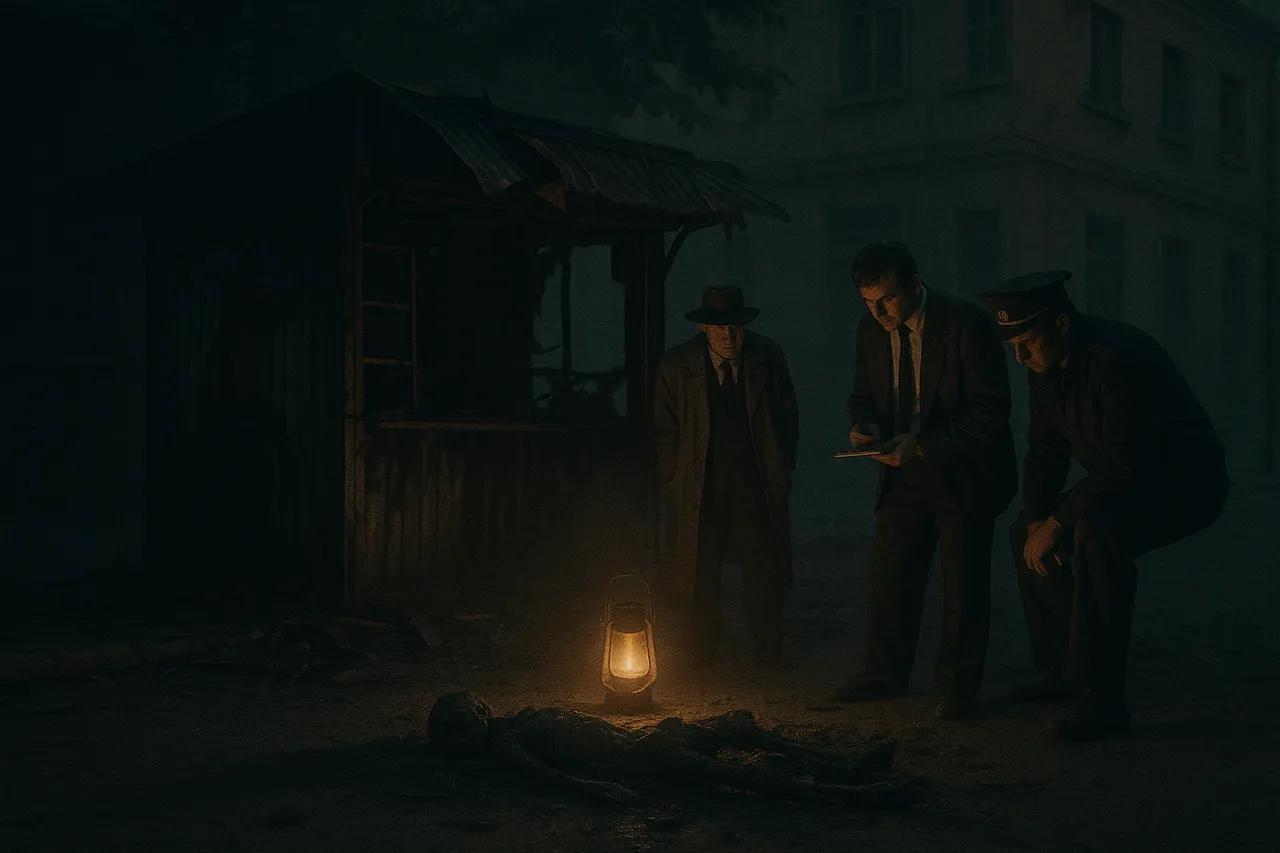
Kiosk on Budyonnovsky: Fire, Ashes, and a Body That Shouldn't Exist
The Summer of Kiosks
By August 1994, Rostov-on-Don's boulevards were lined with commercial kiosks — plywood and metal shacks selling cigarettes, vodka, imported chocolate, pirated cassettes. They had erupted across post-Soviet cities in the wake of liberalisation, filling the vacuum left by state retail. Entrepreneurs with modest capital could stake a corner, pay protection, and carve out a living. The kiosks were symbols of the new economy: improvised, unregulated, and vulnerable.
Budyonnovsky Avenue, a central artery named for a Red Army cavalry commander, ran through the heart of Rostov. The kiosk at number 47 was unremarkable: narrow, painted green, metal shutters at night. Its owner, a man in his forties, sold household goods and soft drinks. On the night of August 12, the kiosk caught fire. Neighbours saw flames around 2 a.m. The owner got out. Firefighters arrived within minutes, but the structure was already collapsing. By dawn, only scorched beams and ash remained.
The Discovery
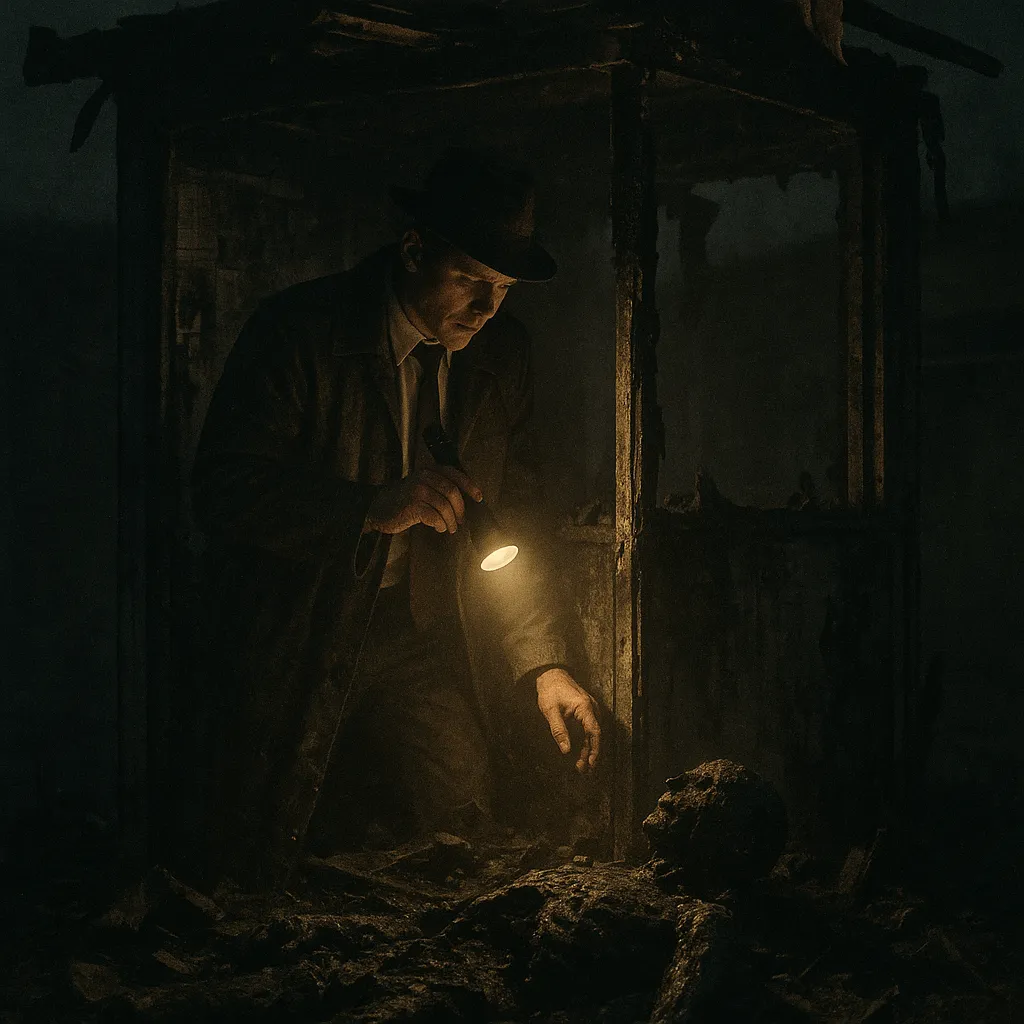
Rostov's fire inspectors returned at first light to document the scene. Arson was common — insurance fraud, protection racket disputes, territorial score-settling. The initial assumption was straightforward: deliberate ignition, probably accelerant, no casualties.
Then an inspector's boot struck something solid beneath the debris. When they cleared the ash, they uncovered human remains. Badly burned, but identifiable as an adult. The body lay near the back wall, where the owner kept inventory. There was no identification, no wallet. The owner, questioned at the scene, insisted he had been alone when he fled. He had locked up at midnight. No one could have been inside.
The case was transferred to the Rostov Oblast procuracy's investigative division. A body in a locked kiosk, with the sole keyholder alive and accounted for. No broken locks. No witnesses to a second person entering. The medical examiner's preliminary report raised further questions: the victim had died before the fire consumed the structure, not from smoke inhalation or burns, but from blunt trauma to the skull.
Rostov in 1994
To understand the investigative environment, context matters. Rostov-on-Don in the mid-1990s was a city navigating violent transformation. The Soviet welfare apparatus had collapsed. Organised crime groups controlled markets, transport, and protection rackets. Police resources were stretched thin; detectives earned subsistence wages and often relied on informal networks to solve cases. Forensic laboratories were underfunded. DNA profiling was not yet routine in regional Russia.
The kiosk economy was a contested zone. Vendors paid tribute to local enforcers. Disputes over territory or debts were settled with arson, beatings, or worse. A body turning up in a burned structure was not, in itself, extraordinary. What made this case unusual was the locked-room aspect: a victim who appeared inside a space that had been secured, with no evident means of entry.
The Investigative Problem
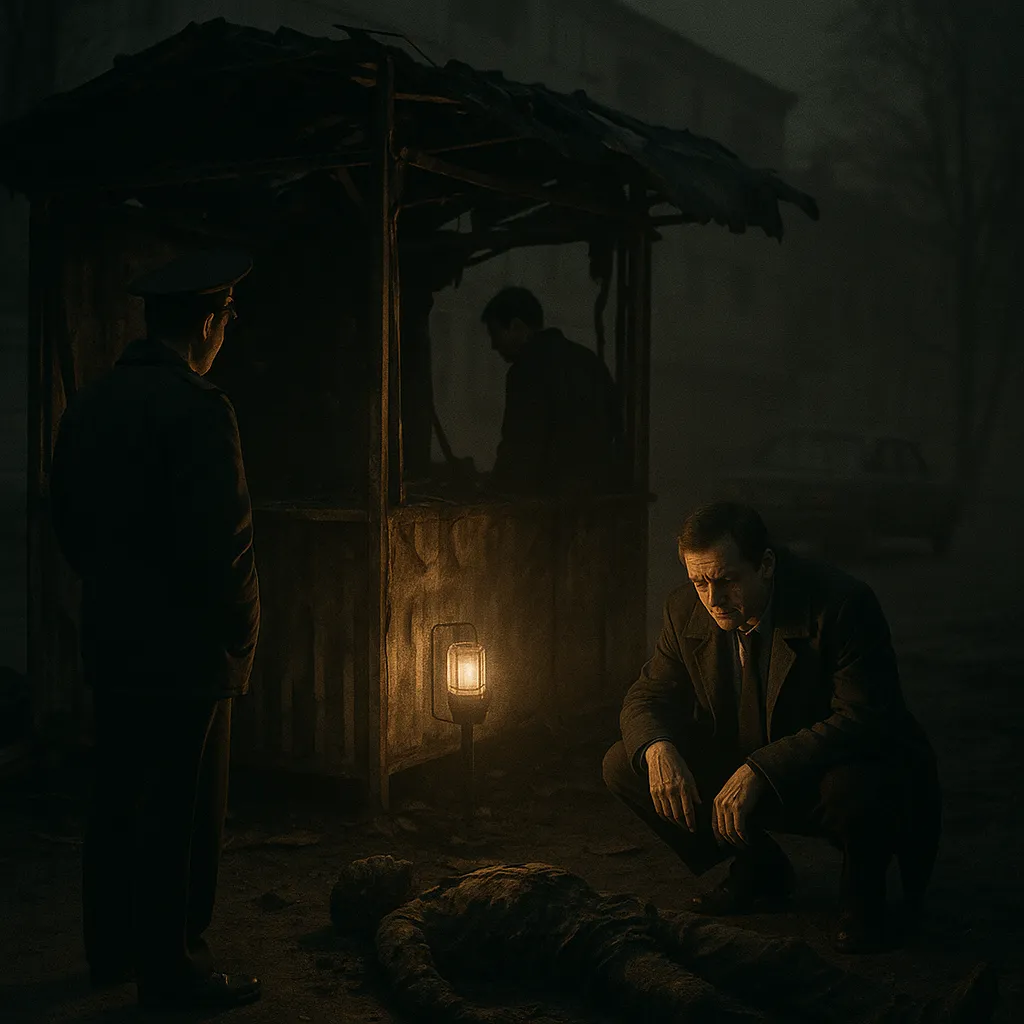
Detectives faced several immediate questions. First, identity. Without papers or distinguishing features, the victim could be anyone: a vagrant, a rival vendor, a debtor, a random passerby. The Rostov procuracy had limited tools for identification in 1994 — dental records if the victim had received Soviet-era dental care, fingerprints if the victim had a criminal record, and witness recognition if someone came forward. Morgue photographs were circulated to precincts; missing-person reports were cross-referenced.
Second, entry. If the kiosk had been locked and the owner had the only key, how did the victim get inside? Possible explanations included a duplicate key, an accomplice, or entry before the owner locked up. Each scenario implied a different relationship between victim and perpetrator. If the victim had a key, he might have been an employee, a partner, or a thief. If entry occurred before midnight, the owner's timeline was false.
Third, motive. The blunt-force trauma suggested interpersonal violence, not an accident. The arson appeared designed to destroy evidence. Was the killing premeditated or opportunistic? Was the fire set by the killer, or by a third party unaware of the body?
Fourth, forensic limitations. The fire had destroyed soft tissue, clothing, and most trace evidence. The medical examiner could determine cause of death and approximate time, but not much else. Accelerant residue was present, confirming arson, but fingerprints and fibres were gone. The investigative team had witness statements, the owner's account, and the physical layout of the scene. They would have to reconstruct events through logic, interviews, and scrutiny of inconsistencies.
The Episode
CrimeFile's Episode 105 places players in the role of a Rostov investigator assigned to the case in August 1994. You will examine scene photographs, review the medical examiner's findings, and interview the kiosk owner, neighbours, and fire brigade personnel. The evidence is fragmentary; the social context is opaque. Witnesses may be evasive, fearful of criminal reprisal or police attention. The case requires careful attention to timelines, spatial logic, and the human dynamics of a city in flux.
The episode does not rely on forensic technology unavailable in 1994. Instead, it emphasises the investigative methods that Soviet-trained detectives used: witness psychology, reconstruction of movement, and the patient identification of contradictions. The locked-room problem is solvable, but the solution demands close reading of testimony and a willingness to question initial assumptions.
Rostov's criminal landscape in the 1990s produced hundreds of unsolved homicides. Some cases were closed through confessions extracted under pressure; others remain cold. The kiosk on Budyonnovsky Avenue is a microcosm of that chaotic decade: informal economy, sudden violence, and the forensic challenges of a state in disarray. Whether fictional or drawn from archival case files, it reflects a real investigative reality. The ashes are cold now. The evidence is what remains.