
The Marina Krylova Case: When Journalists Disappeared in 1990s Moscow
The Disappearance
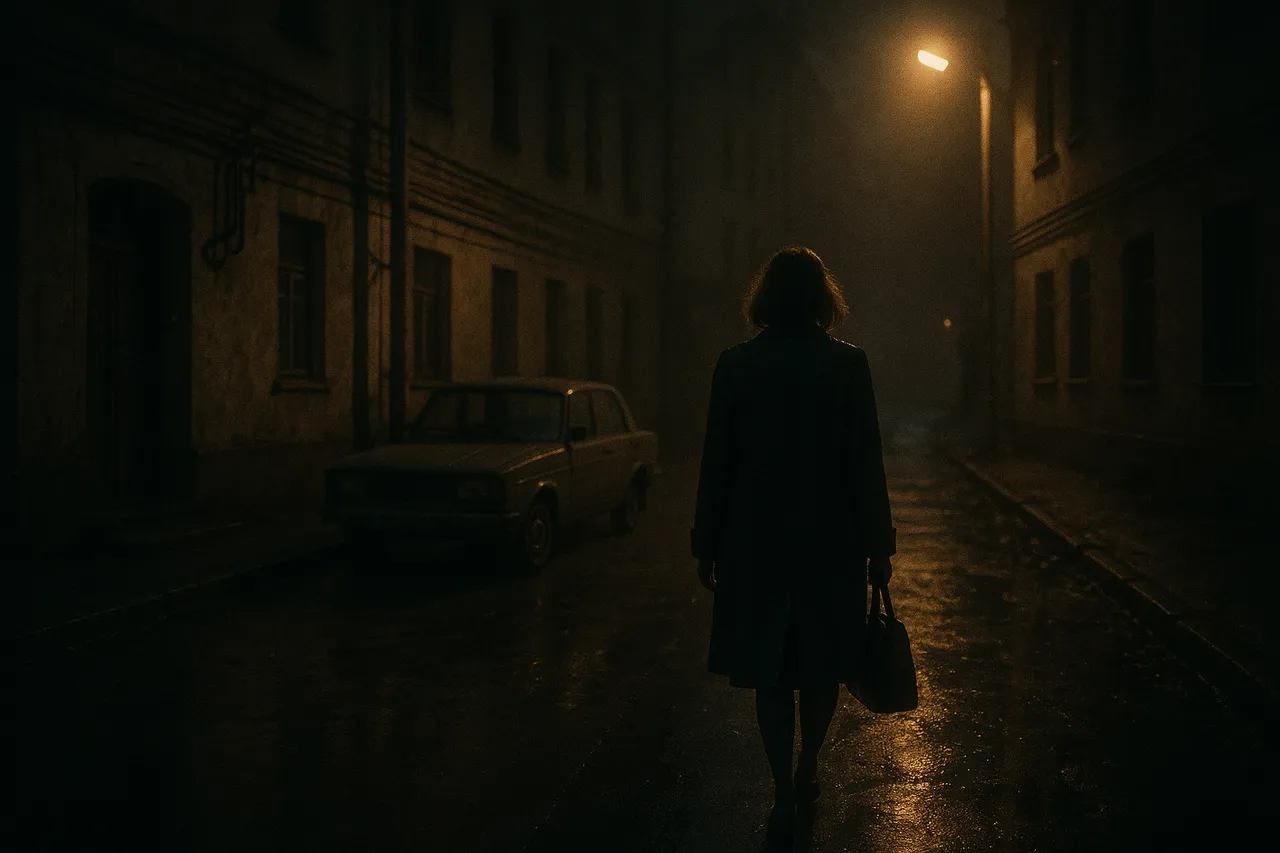
On October 9, 1996, Marina Krylova left her Moscow apartment for what colleagues believed was a routine interview. The 32-year-old investigative reporter for Vzglyad newspaper never returned. By October 12, Major Savelev of the Moscow Criminal Investigation Department was assigned to the case. Three days had passed — a critical window in missing persons investigations.
Krylova's disappearance occurred during one of the most dangerous periods for Russian journalism. Between 1993 and 2000, over fifty journalists were killed in Russia, many while investigating organized crime, corruption, or Chechen war crimes. The Committee to Protect Journalists documented systematic targeting of reporters who challenged powerful interests.
Background: Moscow in Transition
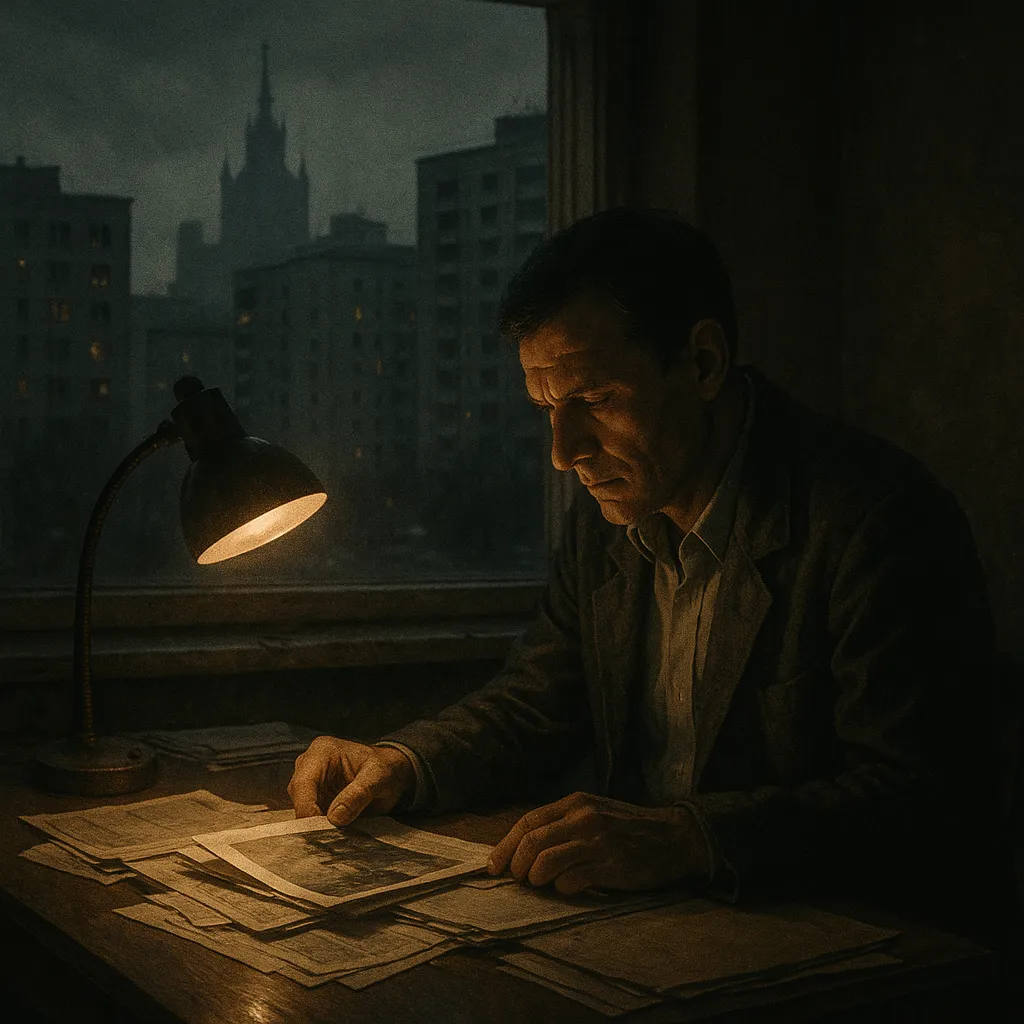
The Moscow of October 1996 was a city caught between two worlds. President Yeltsin had won re-election months earlier despite failing health. The privatization era had created vast fortunes overnight while gutting state institutions. Criminal groups operated with near-impunity in many sectors.
For journalists, the terrain was treacherous. State censorship had ended, but new pressures emerged. Newspapers operated on thin margins. Advertising revenue often came from the same business empires reporters were investigating. Physical threats were common. Dmitry Kholodov, a military correspondent, had been killed by a briefcase bomb in 1994. Vladislav Listyev, a television journalist, was shot dead in his apartment building in 1995. Both cases remained unsolved.
Vzglyad was a respected publication known for investigative work on economic crime and corruption. Its reporters cultivated sources in law enforcement, business, and the emerging criminal underworld. This work was essential — and dangerous.
The Investigation Begins
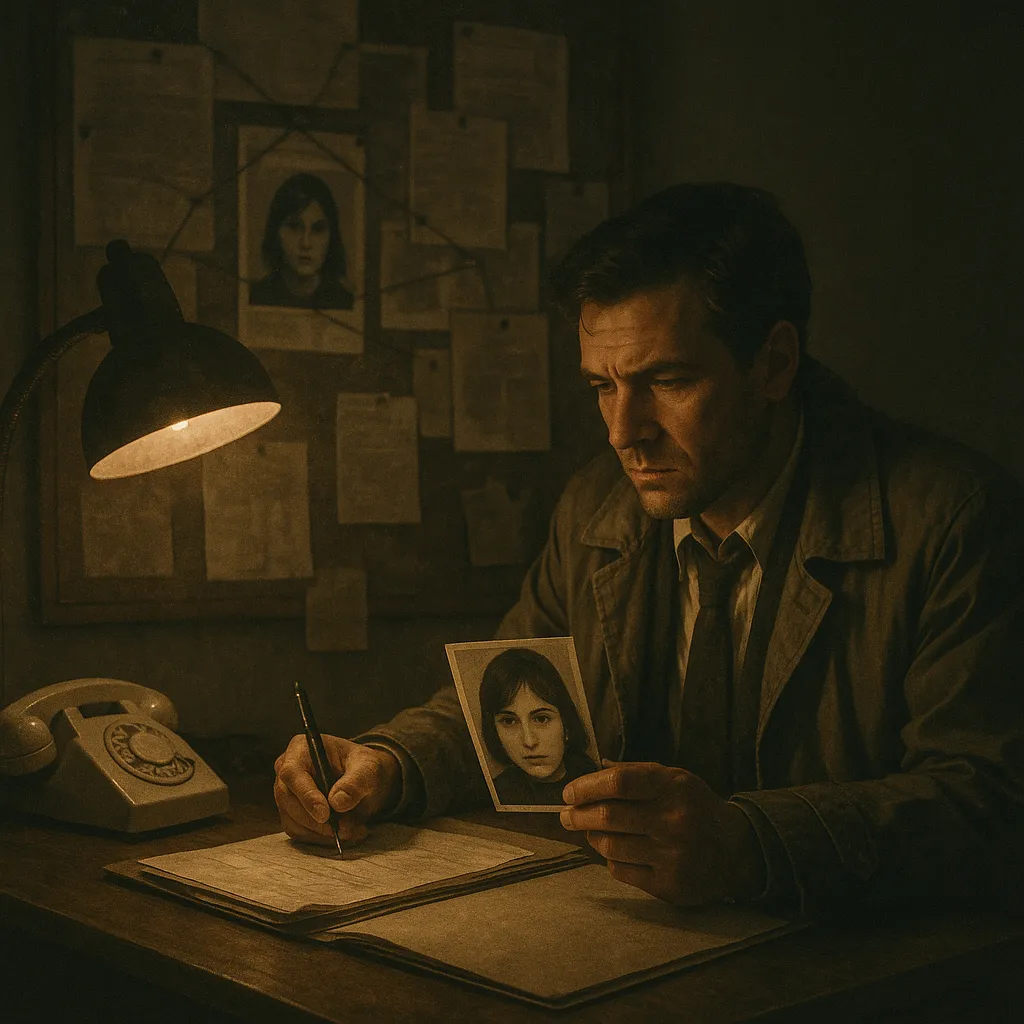
Major Savelev's initial steps followed standard protocol for missing persons cases. Investigators searched Krylova's apartment for signs of forced entry, struggle, or hurried departure. They interviewed neighbors, colleagues, and family members to establish her last known movements and state of mind.
The apartment search was crucial. Detectives looked for appointment calendars, notes indicating interview subjects, signs of surveillance or threatening communications. In cases involving journalists, notebooks and contact information often provided leads — or identified potential suspects.
Colleagues at Vzglyad were interviewed about her recent assignments. Investigative reporters typically worked multiple stories simultaneously. Understanding what Krylova was pursuing required piecing together fragments: phone conversations overheard in the newsroom, mentions of upcoming interviews, requests for archival materials.
The three-day delay complicated matters. In missing persons investigations, the first 24-48 hours are critical. Witnesses' memories fade. Physical evidence degrades. Suspects have time to establish alibis or dispose of evidence.
The Broader Context
Krylova's case must be understood within the pattern of violence against Russian journalists in the 1990s. The International Federation of Journalists documented that Russia became one of the world's most dangerous countries for reporters during this period.
Several factors converged. First, the collapse of Soviet-era police structures created power vacuums. Criminal organizations filled these gaps, particularly in lucrative sectors like banking, natural resources, and construction. Second, investigative journalism flourished briefly in the early 1990s, with reporters aggressively pursuing corruption stories. Third, legal protections for journalists were weak and inconsistently enforced.
The contract killing became a standard tool. Professional hitmen operated openly in major cities. Fees were negotiable. Law enforcement clearance rates for journalist murders remained dismally low throughout the decade.
Evidence and Leads
Without access to case files, we cannot know what evidence Savelev's team recovered. However, typical investigative steps in such cases included:
Forensic examination of the apartment for fingerprints, blood traces, or signs of struggle. Dust patterns on furniture could indicate removed items. Telephone records showed incoming and outgoing calls.
Witness canvassing in the apartment building and surrounding area. Had neighbors seen unfamiliar individuals? Had Krylova mentioned feeling followed or threatened? Street vendors, building superintendents, and parking attendants often proved valuable witnesses.
Professional network analysis. Detectives interviewed colleagues, editors, and sources to map Krylova's recent investigative work. Who had she angered? Which stories provoked threats?
Financial records could reveal unusual transactions, unexplained payments, or evidence of coercion.
Unanswered Questions
Many cases from this era remain officially unsolved. Police departments were understaffed and under-resourced. Corruption compromised some investigations from within. Political pressure could halt promising leads if they pointed toward powerful figures.
For families of missing journalists, the uncertainty was torturous. Without a body, closure remained elusive. Criminal cases couldn't proceed to prosecution without evidence of a crime.
The broader questions persist. How many journalists disappeared or were killed because of their work? How many cases were closed prematurely or never seriously investigated? What stories died with them?
Legacy
The Marina Krylova case represents a specific historical moment when Russian journalism faced existential threats. The profession's willingness to investigate power came at tremendous cost.
CrimeFile's Episode 1 dramatizes the opening phase of this investigation, placing players in Major Savelev's position as he begins the apartment search. The game focuses on investigative procedure and evidence analysis rather than sensationalizing violence.
Understanding cases like Krylova's requires recognizing that behind the detective work lie human stories — of journalists who believed accountability mattered, of families waiting for answers, of a society struggling to establish rule of law in the wreckage of collapsed institutions.
The case remains a reminder that press freedom depends not only on laws but on physical safety, on societies willing to investigate crimes against journalists, and on collective memory that honors those who took risks to uncover truth.