
Letter from Tallinn: When the Dead Write Home
The Letter That Should Not Exist
March 1993. Pskov Oblast, Russian Federation. The Soviet Union had ceased to exist sixteen months earlier. Borders that had been administrative lines within a single state were now international frontiers. The mail still moved, but slowly, uncertainly.
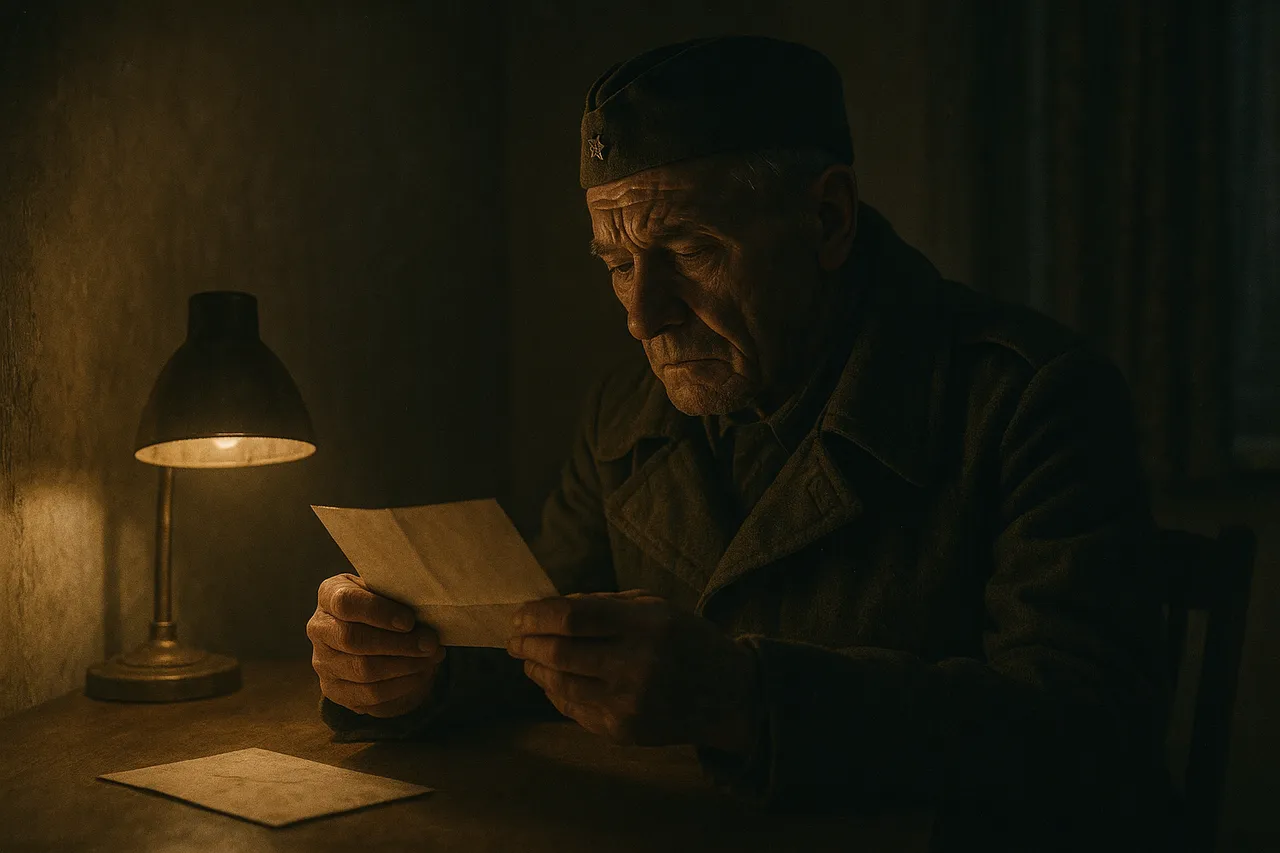
An elderly man — we will call him Viktor Sokolov, though that is not his real name — collected his post from the communal mailbox in his apartment block. One envelope stood out. Estonian stamp. Tallinn postmark, dated two weeks prior. The address was handwritten in careful Cyrillic script.
He opened it. Two pages, written in a mix of Estonian and Russian. The handwriting was unfamiliar. The signature was not.
"Your sister, Helga."
Helga Sokolova had died in 1944. Viktor knew this because he had buried her.
The War That Divided Families
Estonia spent the Second World War caught between two empires. Annexed by the Soviet Union in 1940, occupied by Nazi Germany in 1941, retaken by Soviet forces in 1944. Families were split by conscription, deportation, flight. Brothers fought on opposing sides. Sisters vanished into the chaos of evacuation, forced labour, partisan war.
Viktor and Helga's family had lived in the border region where Russia meets Estonia. When the front lines shifted in 1941, Helga — then nineteen — was on the Estonian side. Viktor, two years older, was drafted into the Red Army. They exchanged letters until the autumn of 1943, when Helga's letters stopped.
In the spring of 1944, Viktor received official notification. Helga had died in a bombing raid on Tallinn. No body was recovered. The notification came from a Soviet municipal office, stamped and signed. Viktor accepted it. Fifty thousand civilians died in Estonia during the war. One more name in the ledger.
He never spoke of her again.
The Postmark Problem
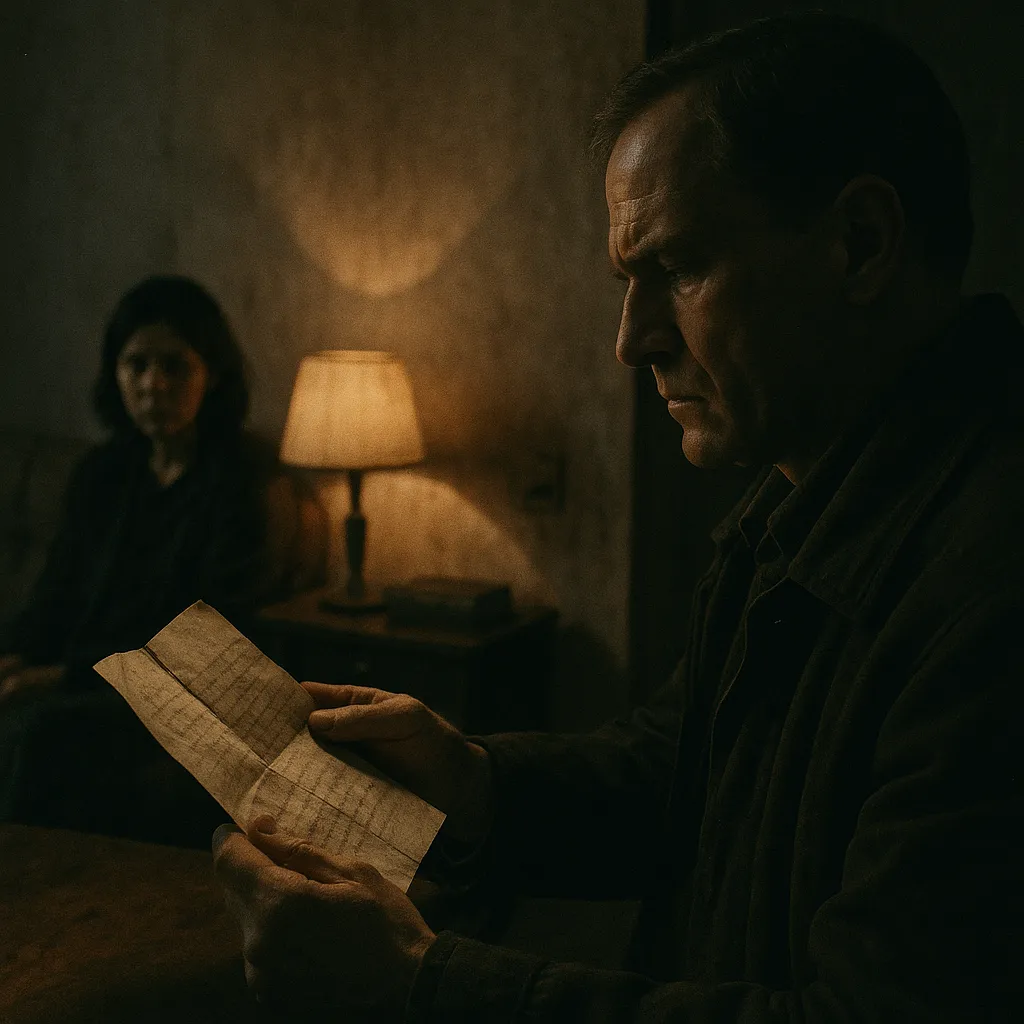
The 1993 letter changed everything. It was not a wartime letter that had spent decades lost in some archive. The postmark was fresh. The paper was modern. Someone had written this letter in February or early March 1993, addressed it to Viktor's current apartment — an address he had only moved to in 1989 — and posted it from Tallinn.
The content was stranger still. The writer knew details only Helga could have known. A childhood nickname Viktor had not heard in sixty years. The name of a dog they had owned before the war. A specific argument they had on the day she left, about a borrowed book.
But the letter also contained things Helga could not have known. It referenced events from the 1950s, the 1970s, the 1980s. It mentioned Viktor's children by name — children born long after 1944. It asked about his health in terms that suggested the writer had followed his life for decades.
Viktor took the letter to the police. The police, in March 1993, had more pressing concerns. The USSR had collapsed. Crime rates were spiking. Organised criminal groups were carving up territory. A pensioner with a strange letter was not a priority.
He wrote back to the return address on the envelope. The letter was returned, marked "addressee unknown."
The Investigative Problem
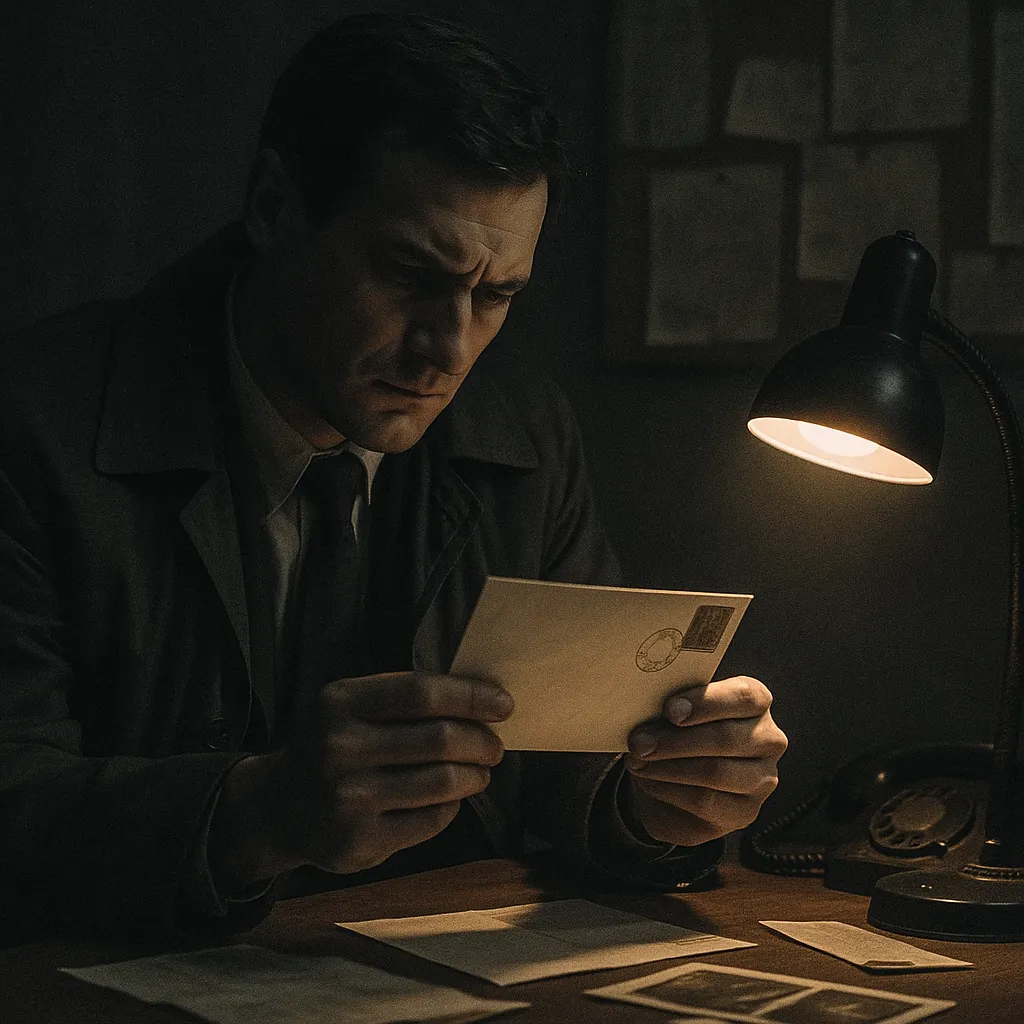
CrimeFile Episode 106 places you in the position of the investigator Viktor never had. You have the letter, the envelope, the 1944 death notification, and access to fragmentary records from the Soviet Estonian archive.
Several possibilities present themselves. Helga might have survived the war and lived under a different identity in Soviet Estonia — not impossible, given the administrative chaos of 1944-1945. But if so, why wait forty-nine years to make contact? And how did she track Viktor's movements, his children's names, his address changes?
The letter might be a fraud. But for what purpose? Viktor was not wealthy. He had no property worth inheriting. The letter asked for nothing — no money, no meeting, no response. It simply… existed.
Or the letter might have been written by someone who knew Helga, who knew Viktor, and who had access to information that spanned five decades. A relative. A friend. A fellow survivor with a long memory and a reason to speak only now, when the Soviet state that had kept so many secrets was finally gone.
The Border Between Memory and Evidence
Episodes like this one sit at the intersection of forensic investigation and historical research. You will need to cross-reference Estonian and Russian archival records, many of them incomplete or contradictory. You will need to understand the mechanics of wartime population displacement, the Soviet internal passport system, the specific circumstances of Tallinn in 1944.
You will also need to weigh testimony — Viktor's memories, the documentary record, the voice that emerges from the letter itself. Memory is not reliable evidence. But sometimes it is all you have.
The case asks a question that goes beyond one family: how do we investigate identity when the state apparatus that once documented every citizen's existence has collapsed, and the borders that once divided people are newly permeable?
Viktor Sokolov died in 1998. He never learned who sent the letter. You might.
CrimeFile Episode 106: Letter from Tallinn is available now.