
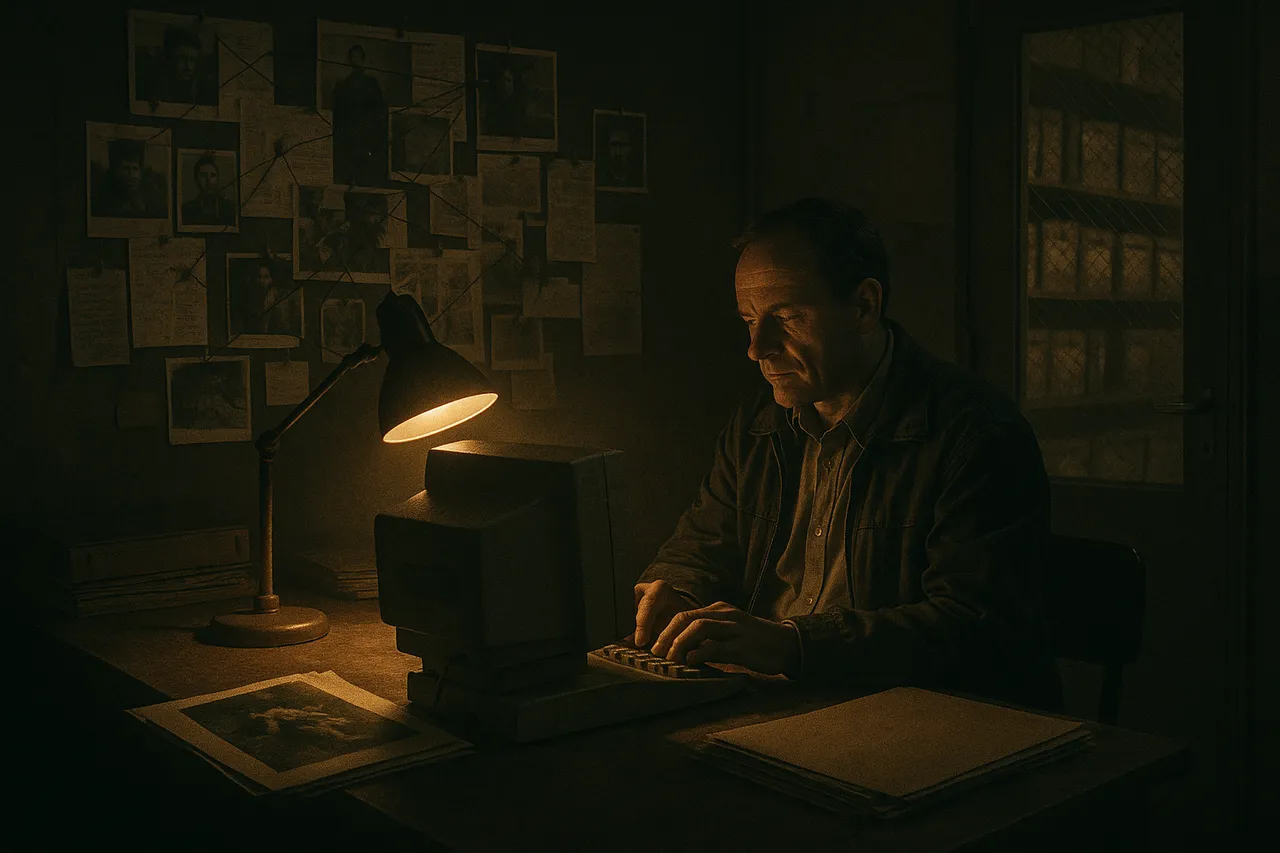
New Episodes, Interface Refinements, and the Evidence Room: CrimeFile Platform Update
What's New
CrimeFile has added three episodes since the start of the year, each based on real criminal investigations from different eras and jurisdictions. The platform now hosts forty-nine cases spanning 1920s Chicago to 1990s London, with geographic diversity that includes Cold War Budapest, post-war Paris, and industrial Manchester.
The newest episodes are:
- Episode 47: The Vanishing Commuter — a 1952 disappearance from a London Underground platform that exposed failures in early missing-persons protocol.
- Episode 48: Silk and Poison — the 1889 Birmingham case where arsenic-laced fabric became the thread connecting society wives to a textile merchant's death.
- Episode 49: The Midnight Caller — a 1973 telephone harassment case in Toronto that predated modern stalking legislation and challenged investigators to prosecute what was then considered a nuisance, not a crime.
Each case runs 60-90 minutes. Players examine witness statements, physical evidence, and period-specific forensic reports to build prosecutable theories.
Evidence Room Redesign
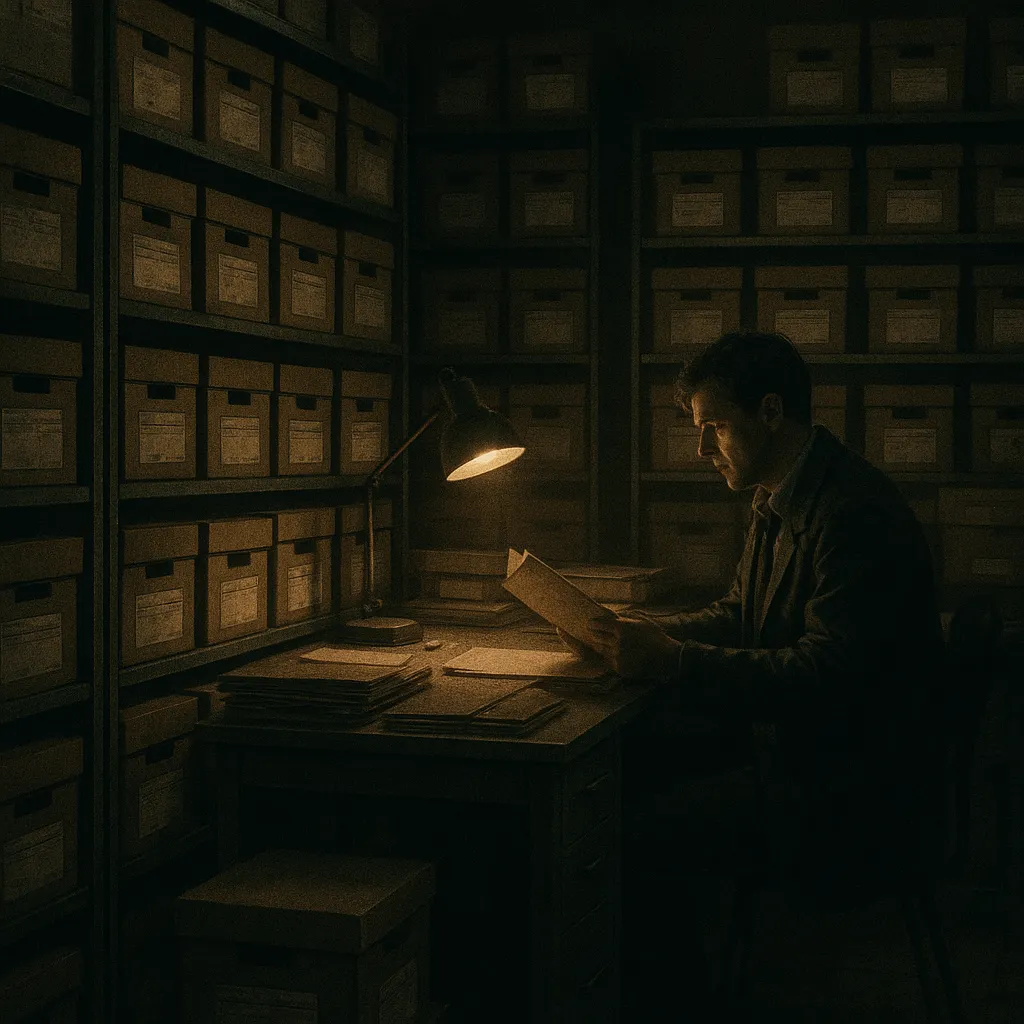
The Evidence Room interface has been rebuilt. Previously, players navigated a linear list of documents and artefacts. The new system organises evidence spatially: by witness, by location, by timeline.
Click a witness name and see every statement they gave, every object they handled, every contradiction they created. Click a location and see every piece of evidence recovered there, every person who passed through, every photograph taken. The timeline view plots evidence chronologically, highlighting clusters where something went wrong or changed.
This matters because real investigations are not linear. Detectives do not process evidence in the order it was discovered. They pivot between people, places, and moments, looking for patterns. The spatial interface mirrors that cognitive work.
The Evidence Room also now supports note-taking. Players can annotate documents, flag contradictions, and build connection maps between pieces of evidence. Notes are private and searchable. The feature emerged from user feedback: players were keeping notebooks beside their keyboards.
Accessibility and Language
Subtitles are now available in Russian, French, and German for all audio witness interviews. Text can be resized without breaking layout. Keyboard navigation has been improved for players who do not use a mouse.
The platform remains bilingual at its core — every episode is fully playable in English and Russian. Localisation is not cosmetic; it is editorial. Russian-language cases are researched from Russian primary sources. English-language cases cite British, American, and Commonwealth archives. Both languages receive equal effort.
What's Coming
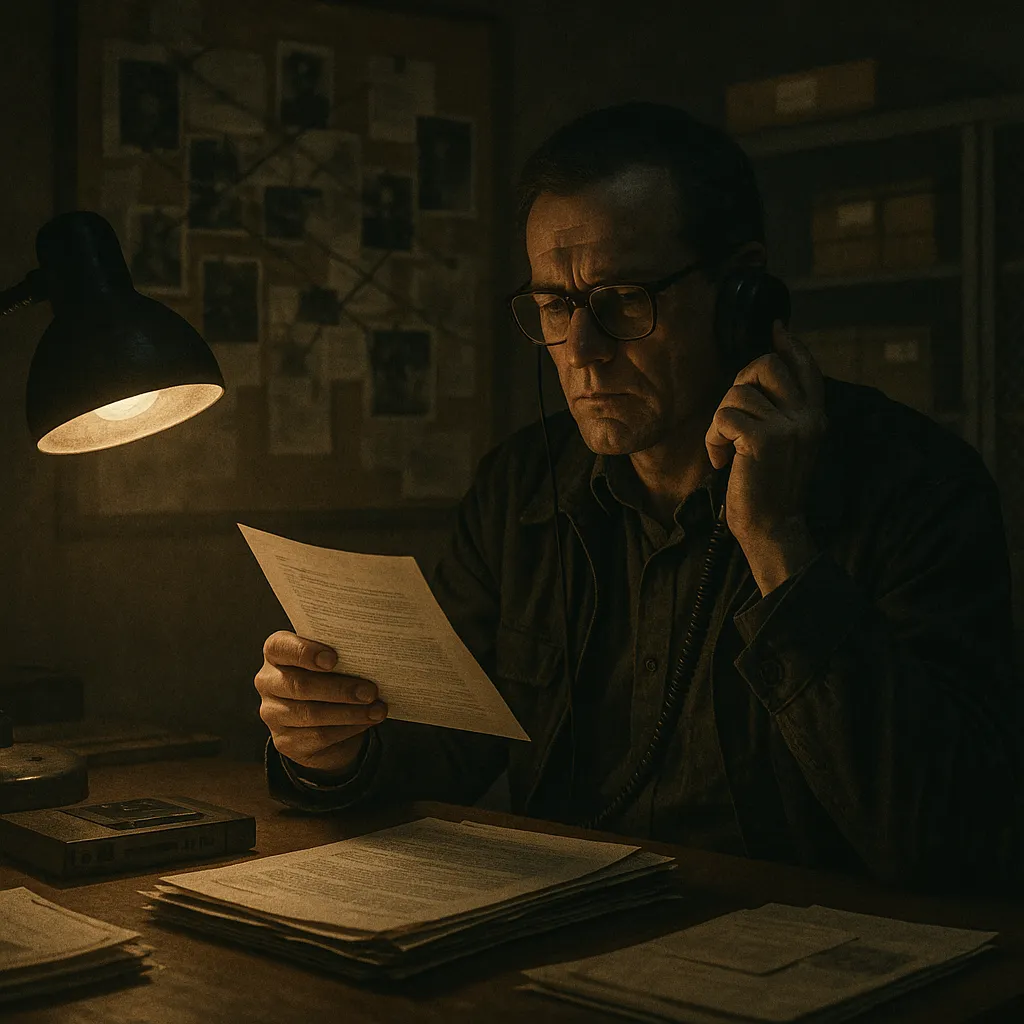
Two episodes are in production for release before summer. Both are Cold War cases: one from East Berlin, one from Prague. Both involve intelligence services complicating local police work. Both required archival access that took months to secure.
The Evidence Room will soon allow players to share case theories with friends. Not full solutions — the platform does not publish answers — but annotated evidence chains that argue for a particular suspect or motive. Think of it as showing your work.
A feature called Case Files is under development. It will let players review their past investigations, see which evidence they missed, compare their conclusions to the historical outcome. Some players want to revisit old cases with new knowledge. Others want to understand where their reasoning diverged from what actually happened. Case Files serves both.
Why This Matters
CrimeFile is not a story you watch. It is a problem you solve. The platform's design philosophy is forensic fidelity: if a technique did not exist in 1952, you cannot use it. If a law did not criminalise an act in 1889, you cannot prosecute under it. Constraints are not limitations; they are the texture of history.
Each update strengthens that commitment. The Evidence Room redesign came from watching how players actually think through cases. The subtitle expansion came from players in non-English regions asking for access. The Case Files feature comes from players wanting to learn, not just win.
The platform evolves in response to how people investigate. That process continues.