
A Cold Case That Refuses to Stay Buried
The File That Won't Close
Some cases vanish. Others linger.
Next week, CrimeFile introduces a new weekly investigation rooted in the kind of crime that refuses erasure—a cold case that has survived changes of regime, the death of witnesses, and the indifference of time. The victim's name still appears in annual reports. The evidence box still sits in a basement archive. And somewhere in that box is a detail that no one noticed.
This is not a case that was solved and forgotten. It is a case that was never solved at all.
Why Cold Cases Persist
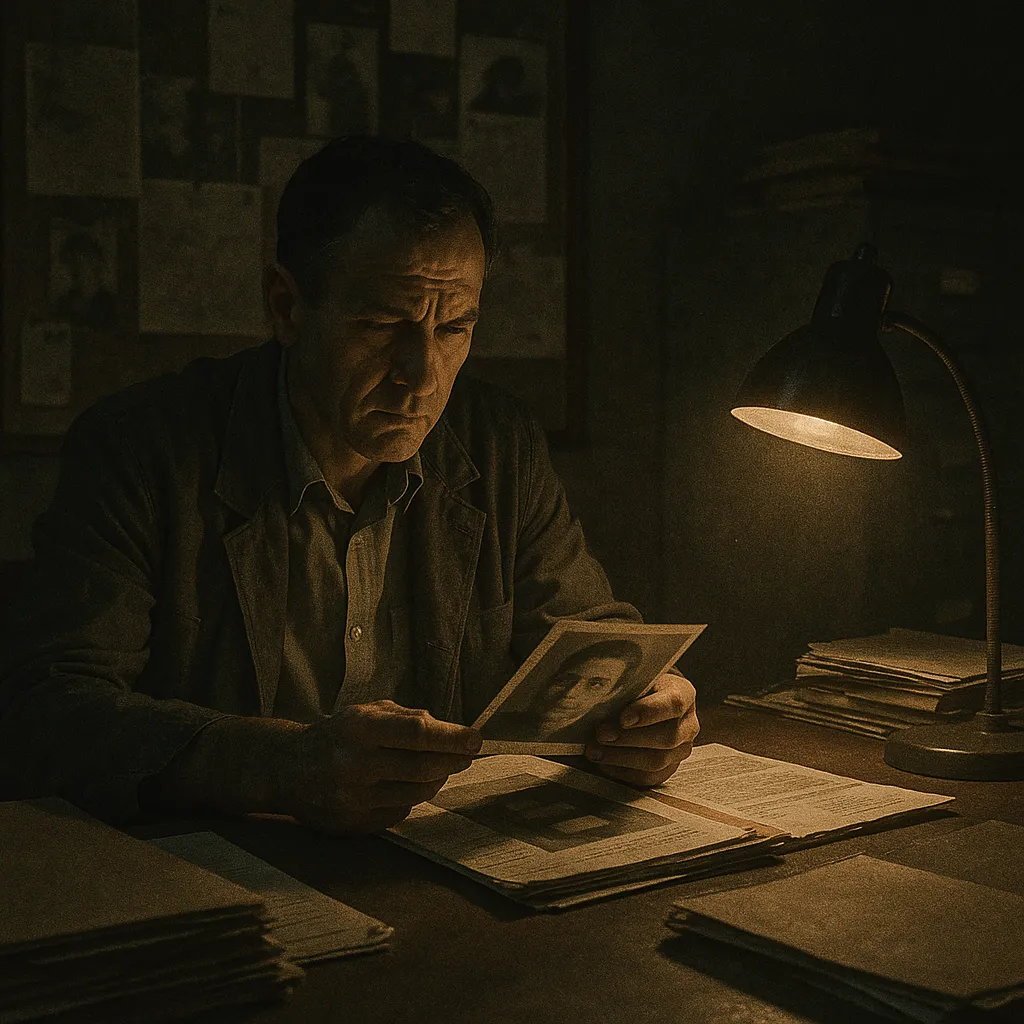
Cold cases endure for structural reasons. Witnesses die. Leads evaporate. Investigators retire or are reassigned. Evidence degrades or is misfiled. But some cases remain open not because of negligence—rather, because someone, at some point, refused to let them close.
In the Soviet Union, unsolved murders were often reclassified as accidents or suicides to preserve departmental statistics. In the United States, cases were sometimes shelved when political pressure shifted or when the victim's social standing made investigation inconvenient. Cold cases are often less about a lack of evidence than about a lack of institutional will.
This case survived because someone kept the file alive. A detective who retired but never forgot. A family member who wrote letters every year. A reporter who revisited the story when no one else would.
The Archive as Crime Scene
Modern cold case investigation begins not at the crime scene but in the archive. Forensic genealogy, digital reconstruction, and re-examination of physical evidence under new scientific standards have solved cases that were considered hopeless.
But this case predates those tools. It comes from an era when forensic science was rudimentary, when witness testimony was taken at face value, and when investigative photography was limited by technology. The detectives who worked it had only their intuition, their notebooks, and their persistence.
What they left behind is a record: interview transcripts, crime scene sketches, evidence logs. The file is incomplete. Some pages are missing. Some witness statements contradict each other. And buried in that disorder is a pattern that no one saw.
The Human Cost of Unsolved Crime
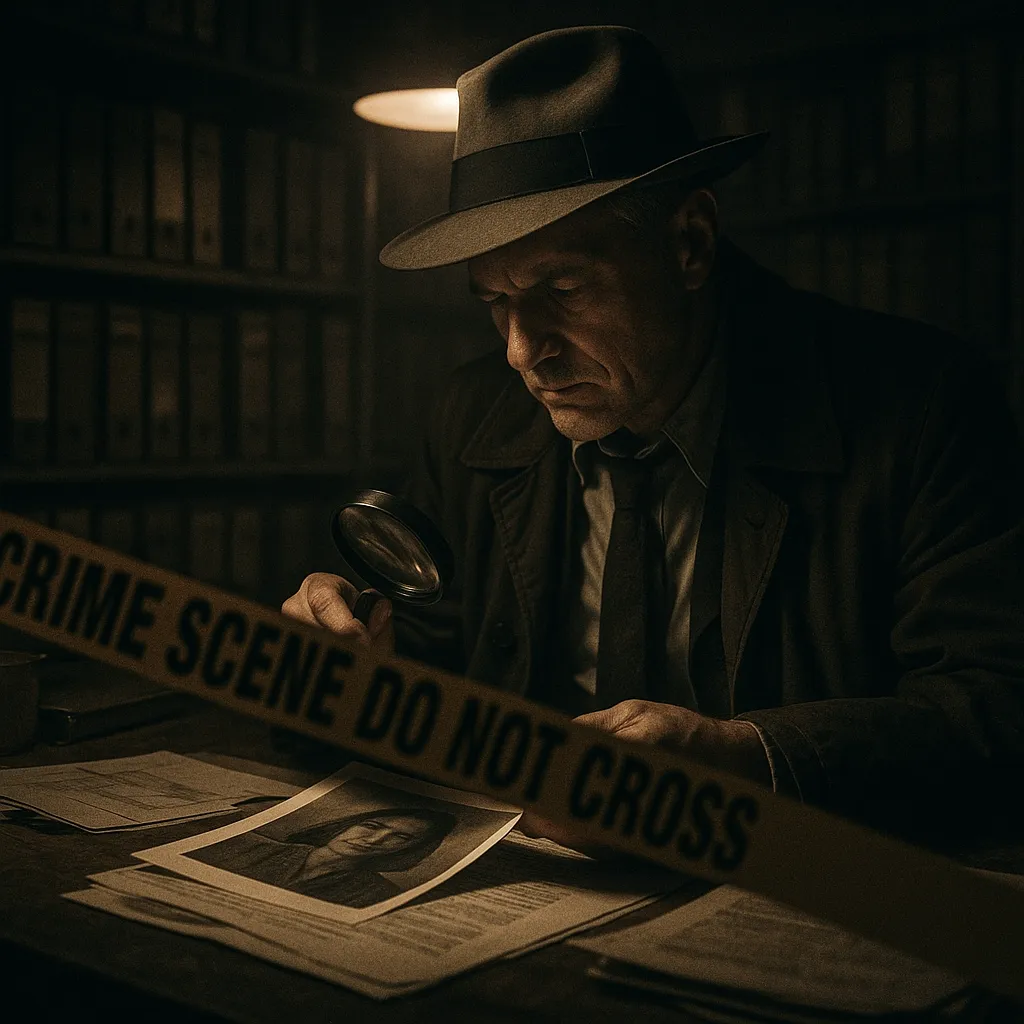
Cold cases do not close cleanly. Families live with uncertainty. Communities construct their own narratives. Suspects are named by rumour, not evidence. The absence of resolution creates a void that gossip and speculation rush to fill.
In this case, the victim's identity was known. The circumstances of death were documented. But the question of who—and why—remained unanswered. The investigation stalled not because there were no suspects, but because there were too many, and the evidence pointed in conflicting directions.
Decades later, the case file still exists. It has outlasted the detectives who opened it. It has outlasted most of the witnesses. What remains is the record itself: fragmented, contradictory, and incomplete.
What New Eyes Can See
Cold case breakthroughs often come from re-reading the same evidence with fresh perspective. A name that seemed insignificant becomes central. A timeline that appeared linear reveals a gap. A witness statement that was dismissed as irrelevant suddenly connects two unrelated threads.
This is not about new technology. It is about new attention.
The case we are about to revisit was investigated thoroughly by the standards of its time. But standards change. What seemed like a dead end in 1975 might be an open door in 2025. What seemed like noise might be signal.
The Detail That Was Overlooked
Every cold case has a turning point that was missed. A photograph that was misfiled. A witness who was never asked the right question. A piece of physical evidence that was logged but never analysed.
In this case, the detail was there from the beginning. It was noted in the file. It was mentioned in at least two witness statements. But it was never followed up. It was treated as background, as context, as a minor inconsistency that didn't merit investigation.
The answer is hidden in a detail that investigators overlooked for decades. And next week, that file reopens.