
Tram Ticket №34: When Evidence Doesn't Match the Timeline
The Impossible Ticket
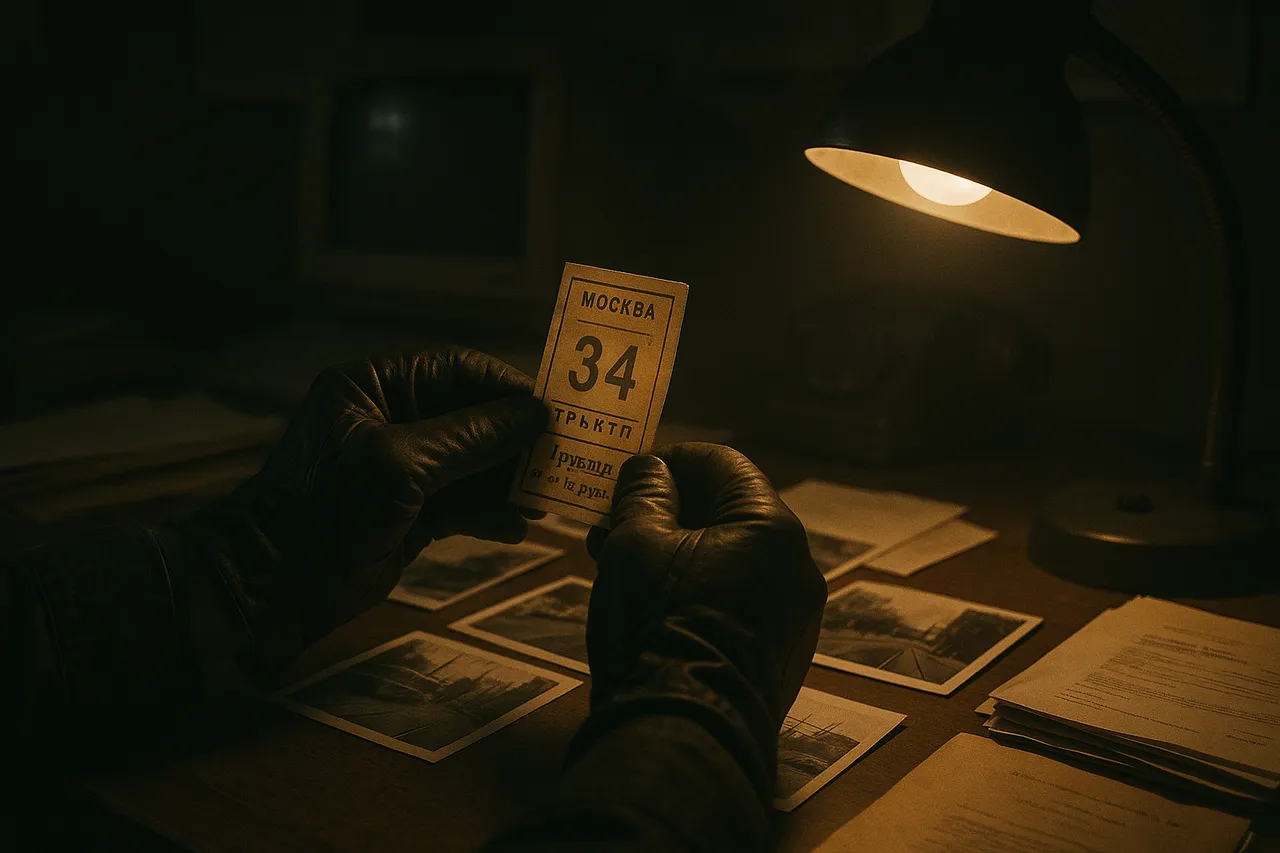
Moscow, March 1997. A routine theft investigation takes an unexpected turn when militia officers search a suspect detained near Kursky Station. In his coat pocket: a punched tram ticket for Route 34. The paper is crisp, the ink recent. The perforation pattern matches the standard komposter punch used across the capital's public transport network.
Route 34 was decommissioned in October 1977.
The ticket should not exist. Yet laboratory examination confirms the paper stock, ink chemistry, and punch configuration are consistent with legitimate московский транспорт issue. No forgery. No theatrical prop. A genuine municipal ticket, two decades out of service, handled within the past seventy-two hours.
Post-Soviet Moscow and the Transport System
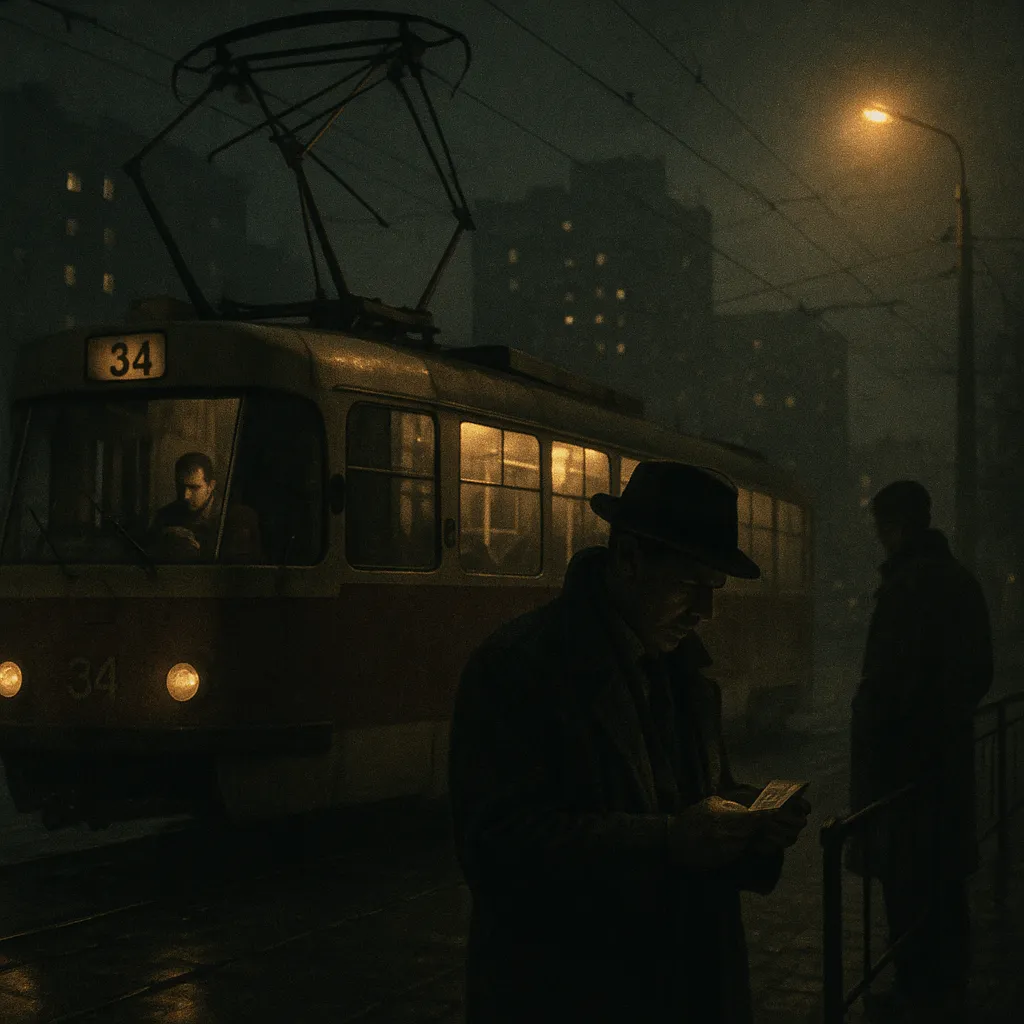
By 1997, Moscow's public transport infrastructure bore the scars of economic collapse and institutional decay. The metro still functioned with Soviet-era reliability, but surface transport—trams, trolleybuses, municipal buses—operated in a state of managed chaos. Routes were redrawn without notice. Rolling stock dated to the Brezhnev years. Ticket validation systems, once a model of socialist accounting precision, had fractured into a patchwork of paper stubs, magnetic cards, and conductor-enforced cash payments.
The компостер—the handheld punch device—remained in use throughout the 1990s, a mechanical survivor of the planned economy. Each punch left a distinctive pattern: date, route number, sometimes a conductor's identifying mark. Transit authorities kept records, but gaps had opened. Archives were incomplete. Personnel had changed. The institutional memory that might explain an anomalous ticket was fragmented.
Route 34 itself had served the northern industrial districts, connecting factory dormitories to the Rizhsky railhead. Its closure in 1977 was part of a broader network restructuring under Brezhnev, when Moscow's urban planners redirected tram lines to accommodate new metro construction. The rolling stock was redistributed. The tracks were either repurposed or paved over. The route number was retired from official schedules.
Twenty years later, no legitimate Route 34 tickets should exist in circulation—let alone in mint condition.
The Forensic Challenge
The suspect offers no explanation. He claims he found the ticket on the ground near Kursky Station, picked it up without thinking, pocketed it. His story is plausible in the abstract—Moscow's streets in 1997 were littered with discarded paper, old receipts, forgotten bureaucratic detritus. But the ticket's condition argues against casual discovery. No weathering. No pocket lint. No signs of long storage.
Investigators face several possibilities:
Institutional stockpile. Municipal transport depots sometimes retained obsolete ticket stock for decades. A depot worker with access to archives could have retrieved unused blanks, punched them with a working komposter, and introduced them into circulation. But why? What motive justifies the effort?
Collector or forger. The 1990s saw a nascent market for Soviet-era ephemera—stamps, tickets, identity documents. A skilled forger might reproduce historical tickets for sale to collectors. Yet forensic analysis found no anachronisms. The paper matched 1970s municipal specifications exactly. Either the forger had access to authentic materials, or the ticket was genuine.
Time-capsule scenario. Someone might have preserved a blank ticket book for twenty years, then decided to use it. This requires the original ticket to have remained unpunched until 1997. Possible, but it raises the question: who preserves unused tram tickets, and why activate one now?
Conspiracy or bureaucratic error. In the administrative fog of post-Soviet Moscow, could Route 34 have been unofficially reinstated? Could a tram have run the old route without appearing in updated schedules? The notion strains credibility, but institutional dysfunction was endemic. Records were lost. Oversight was weak.
Each hypothesis demands investigative follow-through. Archives must be checked. Depot inventories reviewed. The suspect's movements traced. The ticket itself becomes a map—not of a tram route, but of the gaps in a collapsing system.
Playing the Case
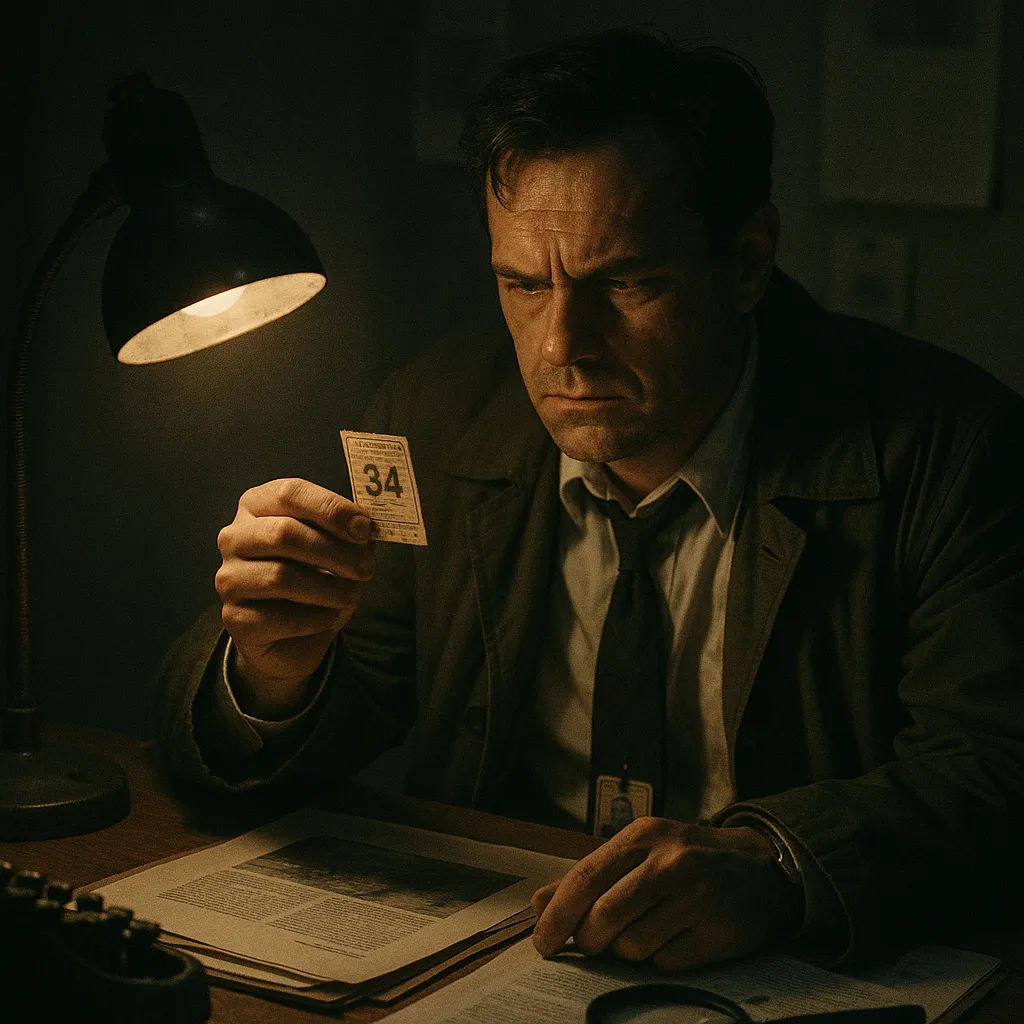
CrimeFile's Episode 102, Tram Ticket №34, places you in the role of a detective navigating these ambiguities. The ticket is your entry point into a Moscow where the past refuses to stay buried. You will interview depot workers, cross-reference archival records, and reconstruct a timeline that resists coherence.
The case demands attention to bureaucratic detail—the kind of investigative patience that distinguished Soviet-trained detectives. You are not hunting a killer. You are unravelling an inconsistency that should not exist, in a city where institutional memory has fractured.
The ticket waits. The komposter punch is evidence. The route is closed.
Somewhere in the gaps, there is an answer.