
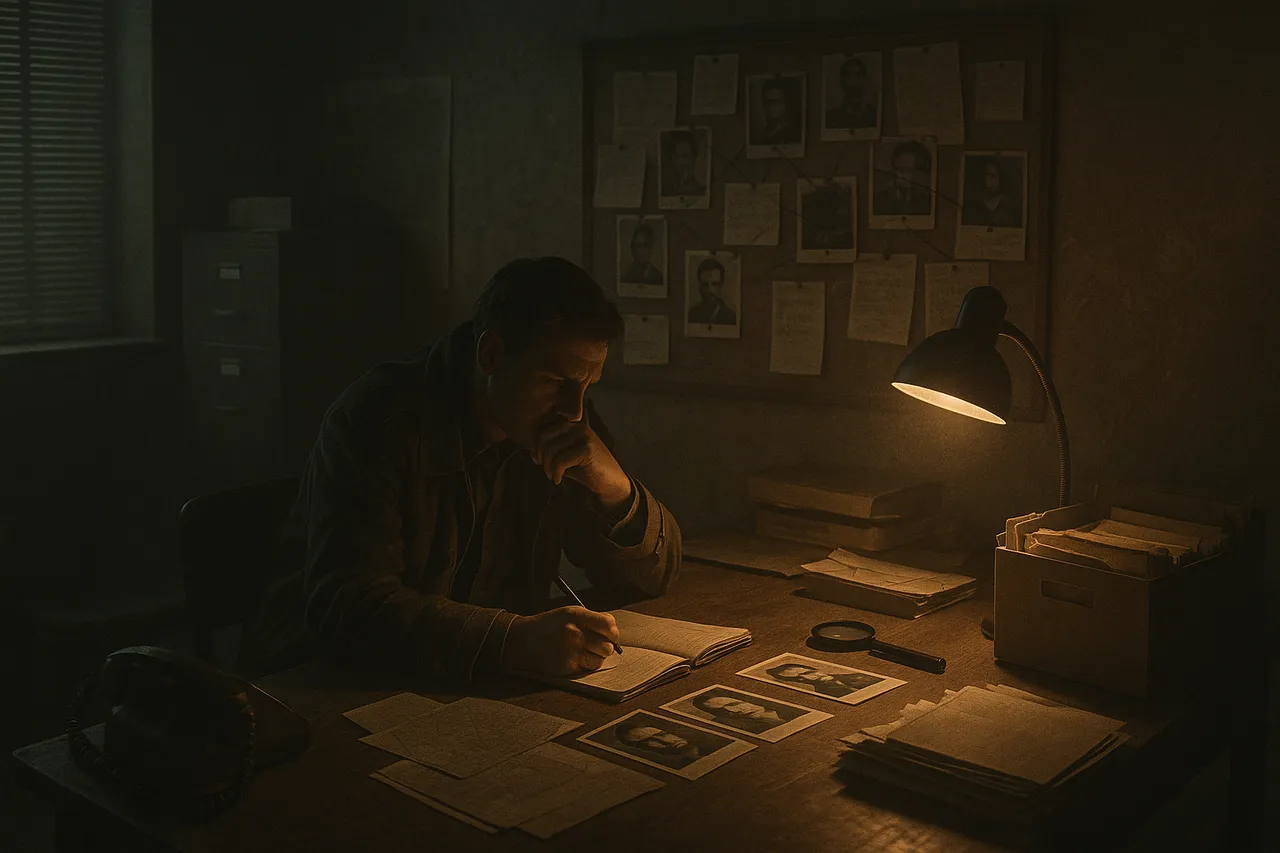
What's New on CrimeFile: Episodes, Tools, and the Road Ahead
Three New Cases
CrimeFile now hosts episodes 47, 48, and 49. Episode 47 revisits a 1970s Soviet homicide cold case; 48 dramatises a Victorian poisoning; 49 tackles a modern forensic genealogy puzzle. Each runs 90-120 minutes and requires players to cross-reference witness statements, physical evidence, and archival documents.
The cases were chosen for variety. Players who prefer period detail get the Victorian episode. Those interested in Soviet investigative constraints get 47. Episode 49 is for anyone curious how DNA databases changed detective work.
Interface Refinements
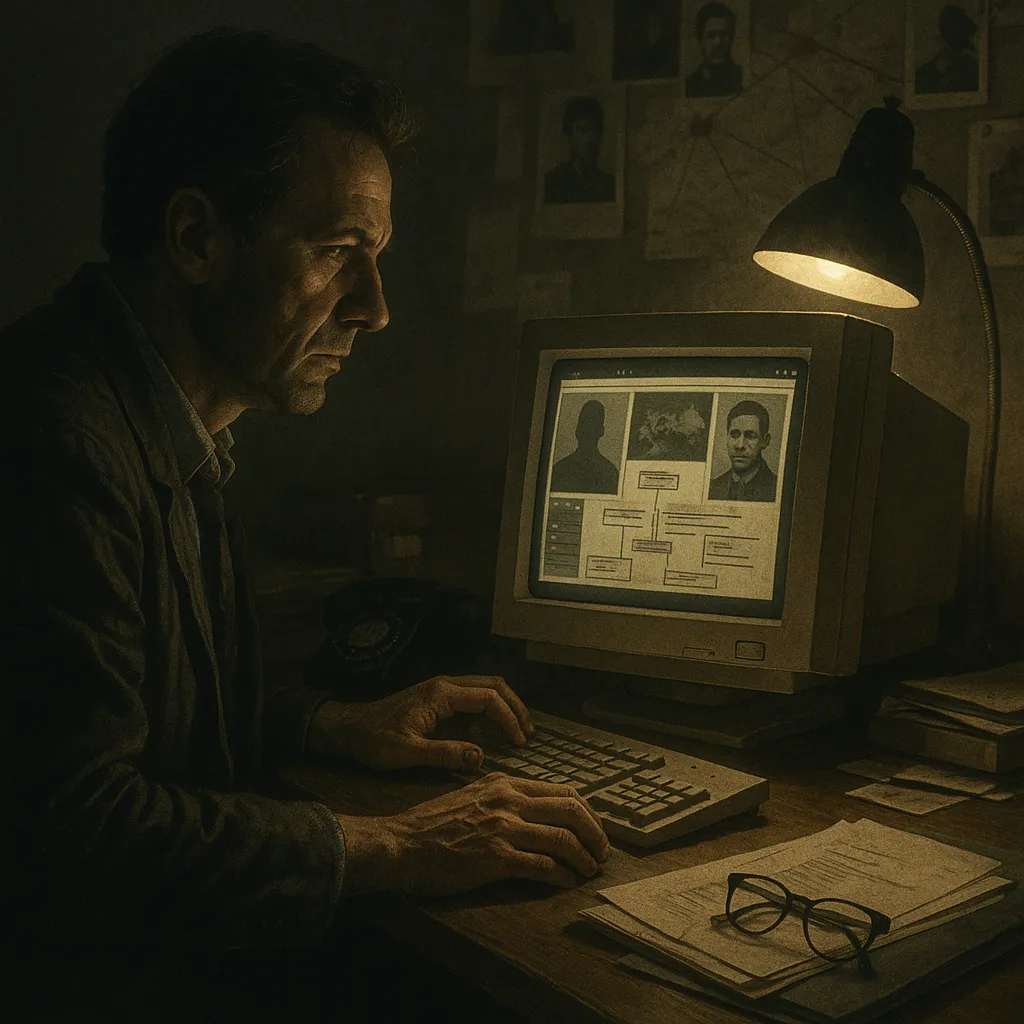
The evidence board has been rebuilt. Previously, players clicked through a linear list of documents. The new board lets you pin items, group them by theme, and draw connections. It's closer to how detectives actually work: spread everything out, see patterns, test theories.
Timeline construction is now manual. The game no longer auto-sorts events. You decide what happened when, based on evidence. If your timeline contradicts witness testimony, the system flags it—but lets you proceed. Some cases hinge on recognising that a witness lied about timing.
Search has been added to the case file archive. If you remember a detail but not which document mentioned it, you can search. This matters in longer episodes where you're managing 40+ pieces of evidence.
What These Changes Mean
The goal is to reduce handholding. Early feedback said the game felt too guided—like a quiz with one right answer. Real investigations are messier. Evidence is incomplete. Witnesses contradict each other. You have to decide what to trust.
The new tools let you make mistakes. You can build a wrong timeline, ignore a key witness, or misread forensic evidence. The game won't stop you. It will, eventually, show you why your theory doesn't hold—but only after you've committed to it. That's closer to how real detectives learn.
Coming Features
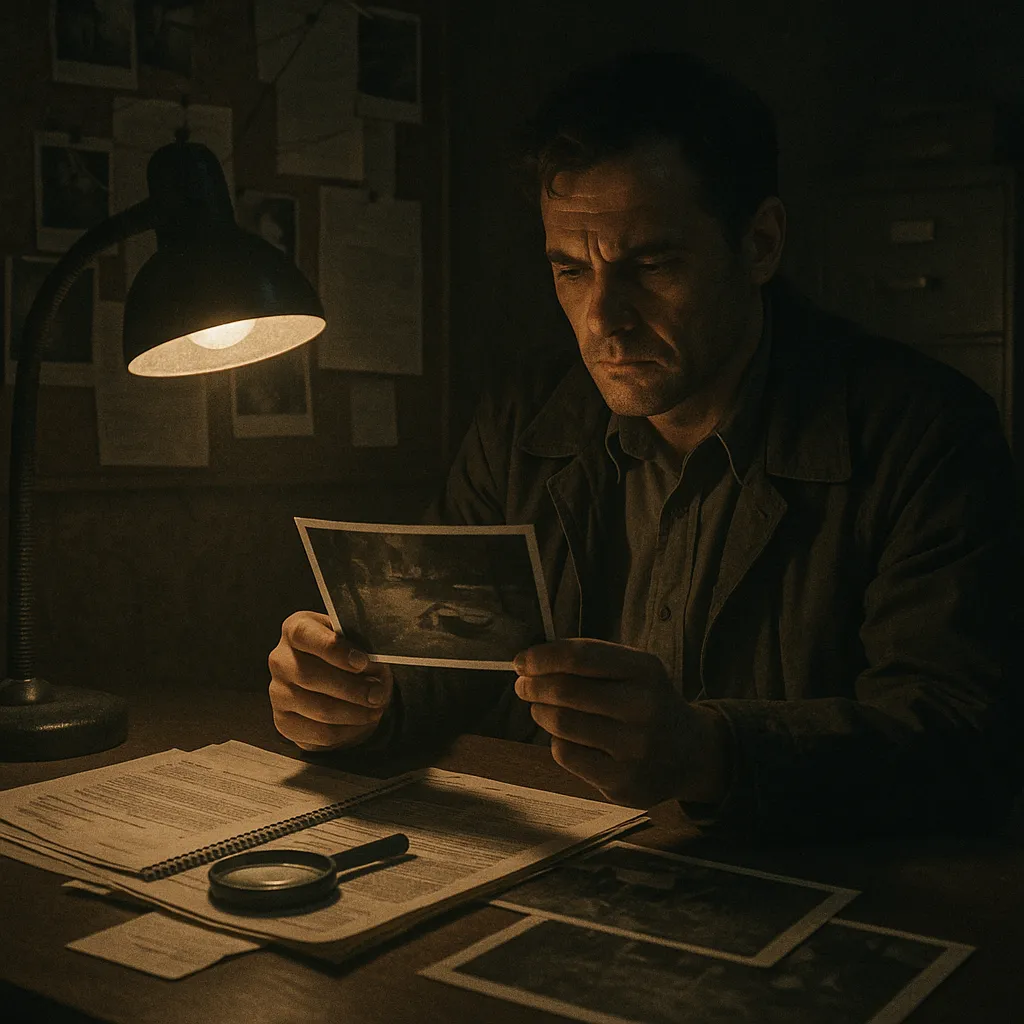
Two features are in development:
Interrogation replay. Currently, witness interviews are text transcripts. The next version will let you choose questions and see how witnesses react. If you ask the wrong question early, they shut down. If you build rapport, they volunteer details. This is based on real interview techniques—cognitive interviewing, sequential questioning.
Case peer review. Players will be able to submit their solutions and see how others solved the same case. Not a leaderboard—a comparison tool. Did you spot the alibi inconsistency in document 12? Did you notice the forensic examiner qualified his findings? Peer review shows you what you missed and why it mattered.
Why This Matters
Most detective games are puzzle boxes. You find the key, the box opens, you win. CrimeFile is trying to be something else: a simulation of investigative reasoning. Real detectives don't win or lose. They build the strongest case the evidence allows, knowing it's never perfect.
That requires different game design. Less direction. More ambiguity. Tools that let you organise evidence your way, not the game's way. It's harder to build and harder to play. But for people who want to think like a detective—not just inhabit one in a narrative game—it's the only approach that works.
What Hasn't Changed
CrimeFile still focuses on real investigative methods. No psychic hunches, no impossible leaps of logic. Every deduction must be defensible from evidence. That won't change.
The platform remains ad-free and subscription-based. No microtransactions, no energy systems, no pay-to-progress mechanics. You get all episodes, all tools, for a flat fee.
New episodes are released monthly. Some are historical, some modern. All are grounded in real case types and real forensic science.
Feedback
If you're playing CrimeFile and something feels wrong—confusing interface, unclear evidence, a logical gap in the case—report it. The platform improves when players explain what blocked them. Not every suggestion can be implemented, but all of them are read.
The goal is to make investigative games that respect the player's intelligence and the discipline's real methods. That's a narrow target. We're getting closer.