
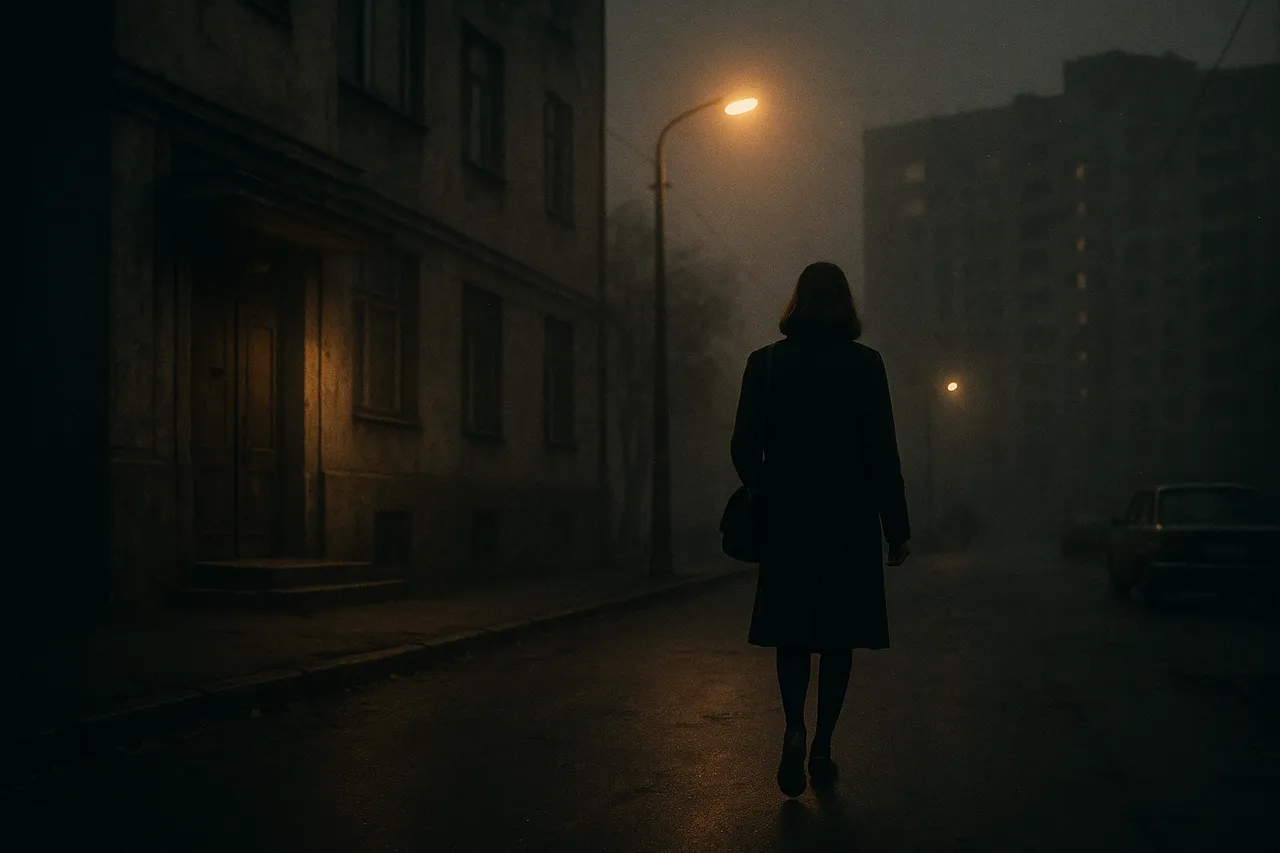
The Disappearance of Marina Krylova: CrimeFile Episode 107
Moscow, 1995: A Vanishing in the Transition Years
October 1995. The Soviet Union is already history, but its shadows are still on the walls.
In the case file, the description is dry: “Krylova, Marina Andreevna, b. 1965, journalist at the newspaper Vzglyad, has not made contact since September 28.” No witnesses listed. No obvious crime scene. Just the abrupt silence of a woman whose job was to ask questions in a city that had learned to fear them.
Episode 107 of CrimeFile, “The Disappearance of Marina Krylova,” drops you into Moscow at a moment when the new Russia is still being improvised. Old Soviet hierarchies are fraying, new money and new violence have appeared almost overnight, and information has become a commodity that can get people killed.
The case of a missing journalist in 1995 Moscow is not drawn from a single real file. Instead, it is a composite: a fictional investigation built from patterns that recur in post‑Soviet crime reporting. Attacks on reporters, murky business wars, corrupt officials, and the thin line between police work and politics.
Why a Missing Journalist Matters in the 1990s
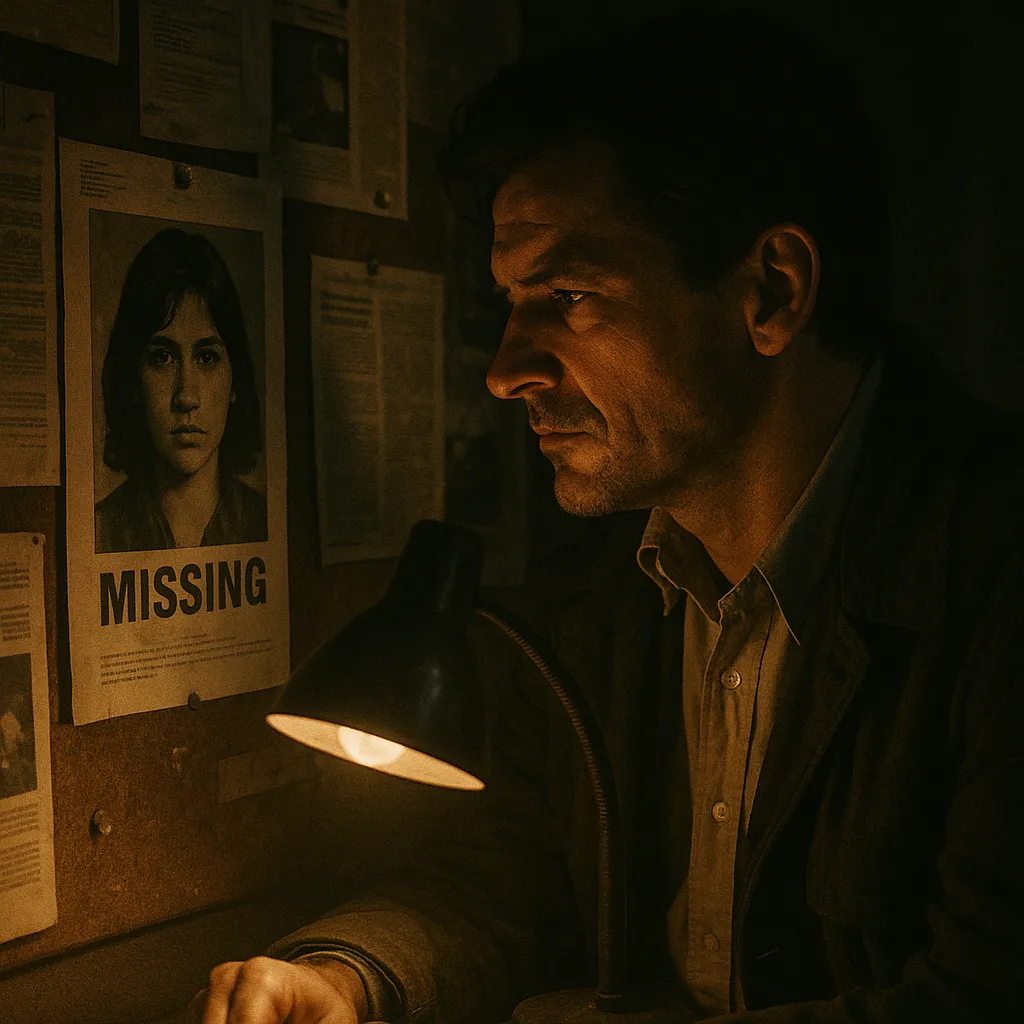
To understand why Marina’s disappearance is more than a private tragedy, you have to place her in her time.
In the late 1980s and early 1990s, newspapers like Vzglyad and its real‑world counterparts became symbols of a new, risky openness. Journalists started asking questions that had been off‑limits for decades: who controlled state assets, where the party money went, who was really behind the sudden appearance of armed "security" around new commercial empires.
By 1995, that openness came with a price. Across the former Soviet Union, reporters who dug too deep into organized crime, corruption, or wartime abuses sometimes did not come home. In Russia, several high‑profile assaults and killings of journalists in the mid‑1990s underscored how fragile the new freedom of the press really was. Some of those cases were prosecuted; others still spark arguments in legal and journalistic circles.
Marina Krylova exists inside that tension.
She is not a famous TV anchor. She is a working reporter at Vzglyad—a title that evokes youth television and print projects born in the final years of the USSR, just as censorship was loosening. Her beat, as glimpsed through the files, edges into uncomfortable territory: privatization deals, semi‑legal cooperatives, and the private security firms that sprang up to guard—or threaten—Moscow’s new business class.
When she vanishes, the question is not simply “What happened to Marina?” but “Whose interests might her disappearance serve?”
The Case File You Inherit
The episode opens on the third day of October. It is already cold, the kind of early Moscow chill that seeps under office windowsills. On the desk: a thin folder with Marina’s name, her birth year, her job title, and a blank where there should be a routine explanation.
You step into the role of an investigator working alongside Major Saveliev, a career officer who has seen both the late Soviet and early Russian police systems from the inside. His methods are shaped by the old school—paper files, face‑to‑face interviews—but the city he polices now operates by new rules.
At first glance, it is only a missing‑person report:
- No body.
- No confirmed crime scene.
- No clear last witness.
For an investigator, that is both a relief and a problem. The law treats missing adults differently from clear‑cut homicides. Without proof of violence, resources are limited, and time slips away.
The file hints that Marina’s colleagues reported her absence late. Newspapers in the 1990s were chaotic places. Deadlines were fluid, phones unreliable, and people sometimes vanished for a few days on assignment or personal matters. Only when her relatives and editors compared notes did the pattern emerge: she had not called anyone since September 28.
Your first task is the most basic and most difficult: reconstruct Marina’s last known days. In a city where phone records are incomplete, surveillance cameras are rare, and computers are a luxury, that work depends on people’s memories and paper traces.
The Investigative Challenge for Players
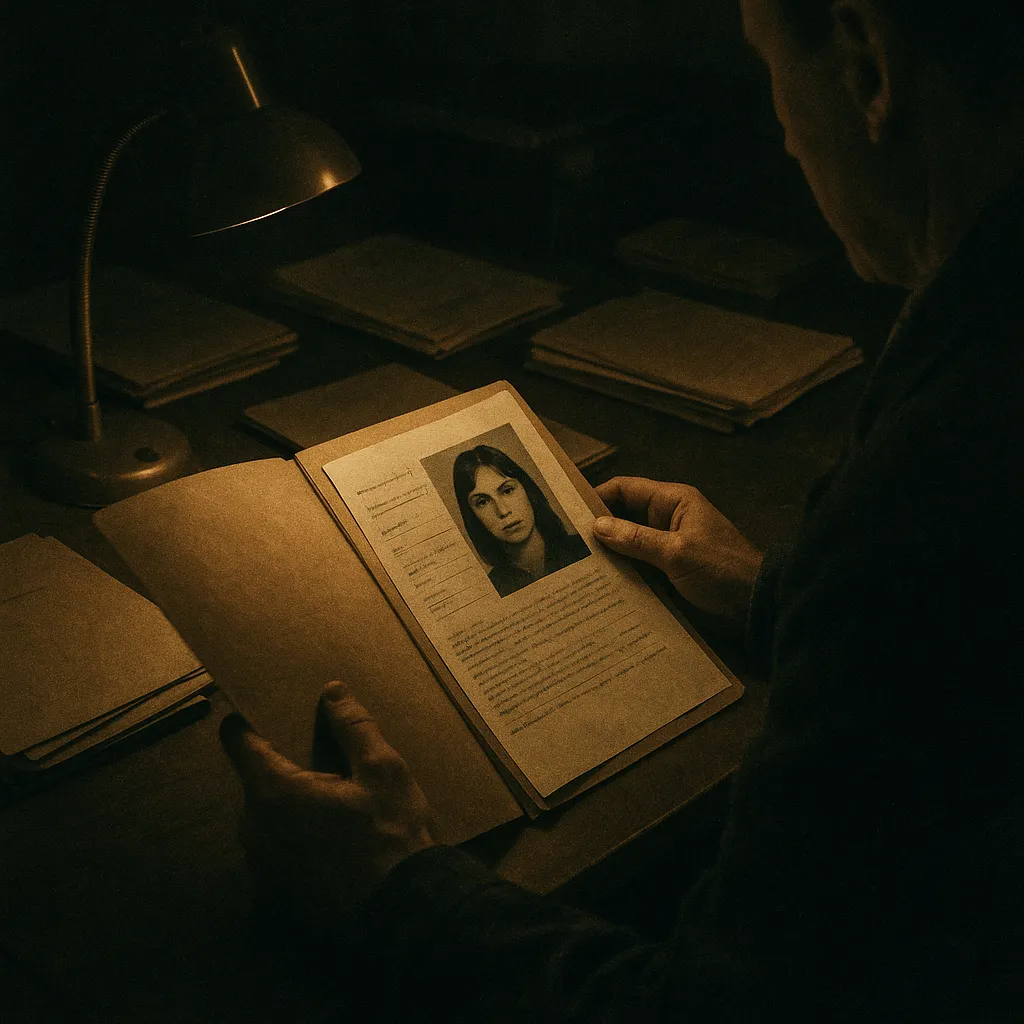
“The Disappearance of Marina Krylova” is built as a layered missing‑person puzzle rather than a straightforward whodunit. As a player, you are asked to think the way a mid‑1990s Moscow investigator might have to think.
Tracking a Reporter’s Shadow
Marina’s profession complicates everything.
Journalists tend to leave scattered footprints: half‑finished drafts, notebooks, business cards, informal sources who are reluctant to show up in an official statement. In the episode, you will sift through:
- Typed and handwritten notes from Marina’s desk and apartment, some routine, some suggestive.
- Phone numbers without names, requiring you to guess who might be on the other end.
- Editorial assignments that never made it into print, hinting at stories she was pursuing off the official schedule.
Each clue raises questions about motive. Could her disappearance be linked to a story? A private relationship? A random crime in a dangerous city? Or some tangle of several threads at once?
Working Inside a Fragile System
The mid‑1990s Moscow police were overstretched. Economic crisis, the first Chechen war, and the explosion of organized crime created more cases than any department could handle. Missing adults were often treated as statistical noise.
Within this environment, your investigative tools are uneven:
- Access to registration records and old internal databases that still run on Soviet logic.
- Limited forensic capacity; you cannot rely on DNA or widespread CCTV.
- A network of informal contacts, from precinct officers to local fixers, whose help always comes at a price.
The episode asks you to navigate not just evidence, but also institutional inertia and pressure from above. A missing journalist can be a sensitive matter. Some superiors may want the case closed quickly. Others may quietly encourage you—so long as you do not drag the wrong names into the file.
Distinguishing Noise from Signal
A case like this attracts rumors. Colleagues speculate. Family members hold on to hopeful or fearful narratives. Political groups may try to use Marina’s absence to make a point about media freedom or government failings.
Your challenge is to test each narrative against concrete detail:
- Does a dramatic claim about a threatened exposé match anything in Marina’s notes?
- Do phone logs support an alleged secret relationship or shadow source?
- Are there inconsistencies between private statements and official protocols?
The structure of the episode is designed to let you pull at these threads without immediate resolution. You will have to sit with uncertainty, as real investigators do, and decide where to invest limited time.
A Case Without Easy Answers
The historical interest of Marina Krylova’s disappearance lies less in any single twist than in the world that surrounds it.
Post‑Soviet Moscow was a place where the old guarantees had failed but the new ones had not yet been written. The press was formally free, but lacked protection. The police were nominally reformed, but still carried habits from earlier decades. Citizens navigated a city where street crime, political violence, and private disputes all left similar traces.
By folding a fictional missing‑person case into that setting, Episode 107 aims to let you explore how investigations really function when the lines between crime, politics, and business blur. The focus is on method: tracing routine movements, identifying what is ordinary and what is not, and understanding how a person’s professional life can put them at risk.
As you move through the file, Marina remains more than a clue generator. Fragments of her work, letters, and testimony from those who knew her sketch a portrait of a particular kind of 1990s journalist: ambitious, overworked, moving quickly through a city changing faster than anyone can document.
Whether her disappearance turns out to be a targeted act or a tragic coincidence is something the episode leaves for you to uncover. The case refuses easy answers because the era itself rarely offered them.
Episode 107, “The Disappearance of Marina Krylova,” invites you to step into that uncertainty and see how far patient, methodical inquiry can go when the trail starts not with a body, but with a silence.