
What's New on CrimeFile: Episodes, Features, and What's Next
New Episodes: Cold Cases from the Eastern Bloc
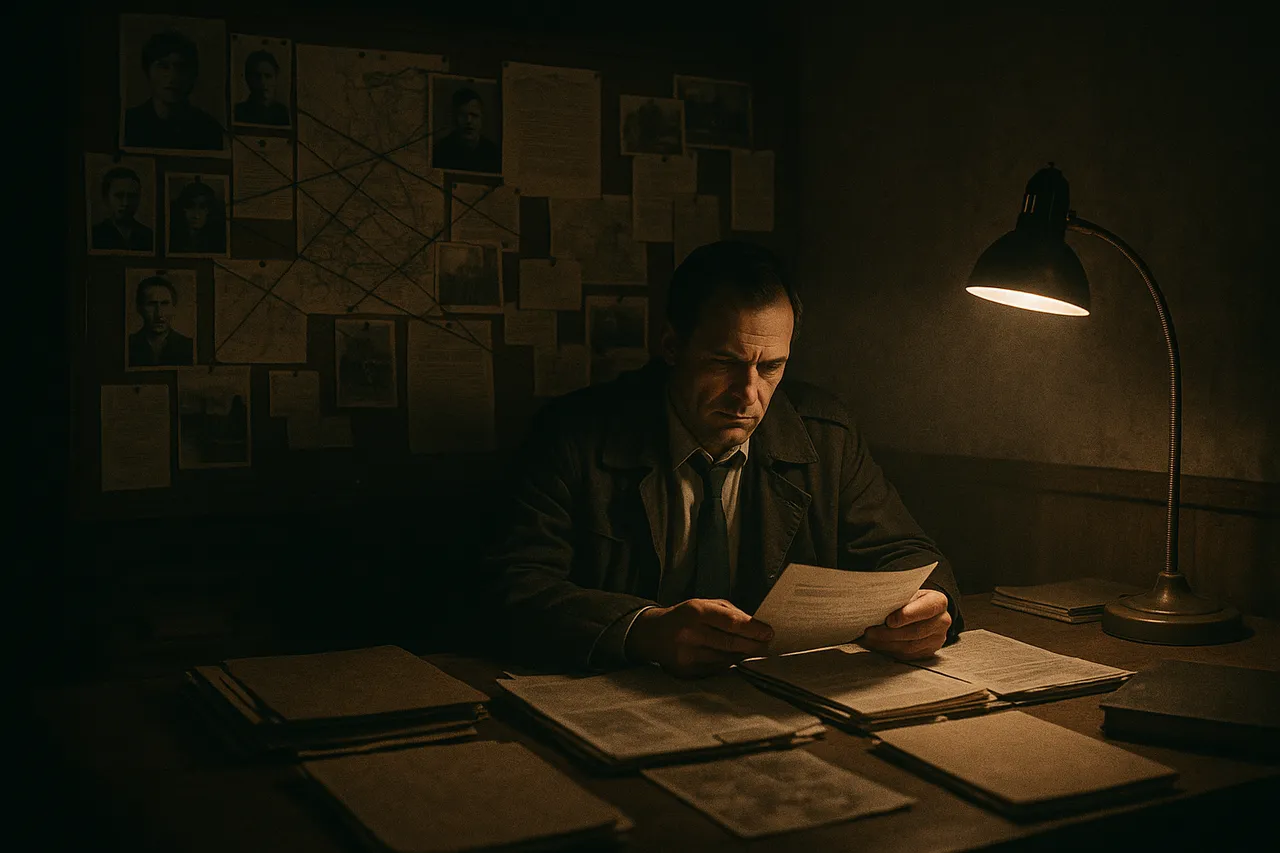
CrimeFile now includes three episodes set in the Soviet Union and Warsaw Pact countries between 1970 and 1989. These cases—drawn from declassified archives and investigative journalism—cover murders that conventional police work failed to solve. Players work with limited forensic tools, navigate bureaucratic obstruction, and piece together evidence from witness statements, autopsy reports, and surveillance files.
The episodes are not fiction. Each is based on a documented unsolved case. Where records are incomplete, the game flags ambiguity rather than inventing details.
Evidence Interface: Less Clicking, More Thinking
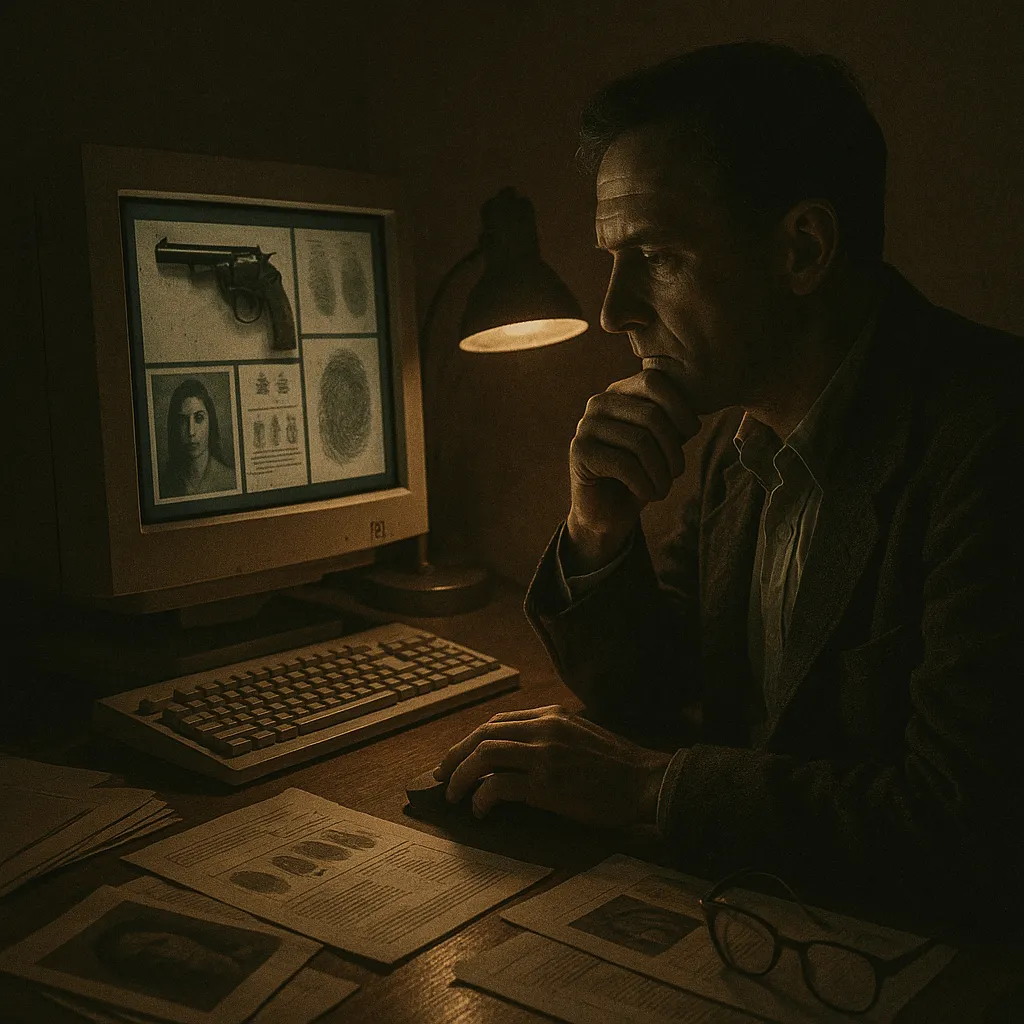
The evidence dashboard has been rebuilt. Previously, players toggled between multiple screens to cross-reference statements, forensic data, and timeline events. The new interface displays all evidence types in a single view with collapsible categories. Filters let you isolate witness testimony, physical evidence, or autopsy findings without losing context.
This change came from user feedback. Players wanted to spend less time hunting for documents and more time connecting them. The revised interface does that.
Timeline Tool: Mapping the Hours That Matter
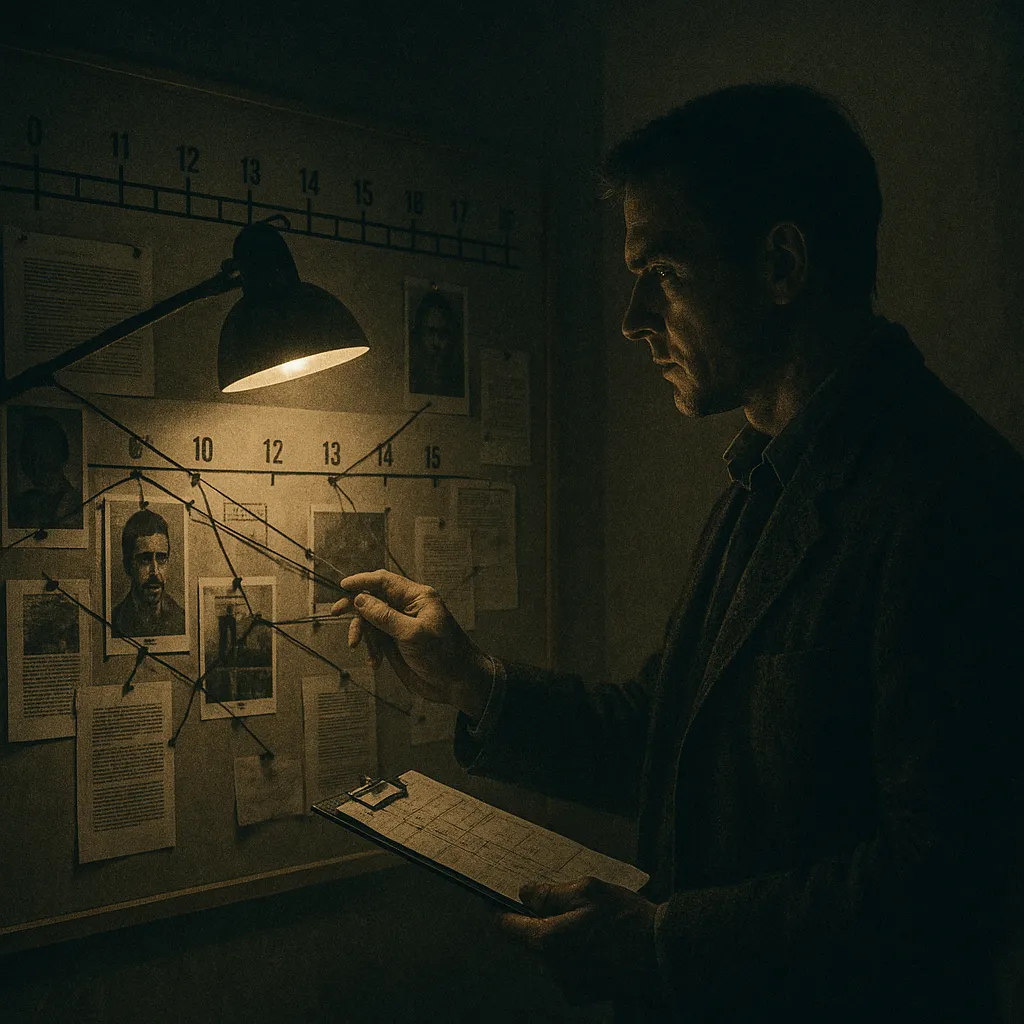
A new visual timeline plots known movements, alibis, and forensic timestamps on a single axis. You can drag evidence markers to test theories—if a suspect claims to have been at a specific location at 11 PM, but forensic analysis places them elsewhere, the timeline flags the contradiction.
The tool does not solve cases for you. It organises information so you can see patterns, gaps, and inconsistencies.
What's Coming: Forensic Genealogy and DNA Databases
The next major update will introduce forensic genealogy mechanics. Players will analyse DNA evidence, upload genetic profiles to simulated public databases, and trace family trees to identify suspects. The feature is modelled on real investigative techniques used in cold cases since 2018.
We are also adding episodes from the 1980s and 1990s, when DNA evidence was first introduced in criminal investigations. These cases will show how forensic science evolved—and where early methods failed.
Community Tools: Case Discussion and Shared Theories
CrimeFile's forum system has been expanded. Players can now tag evidence in their posts, link to specific case documents, and compare theories without spoiling conclusions. Moderators enforce a strict no-spoiler policy for active cases.
The forum is not a chat room. It is a workspace for serious players who want to test hypotheses, debate evidence interpretation, and learn from each other's investigative approaches.
No Ads, No Subscriptions
CrimeFile remains free. There are no advertisements, no paywalls, and no premium tiers. Every episode, every tool, and every feature is available to all players.
This project is funded by its creators. We built it because we wanted a detective game that respects the intelligence of its players and the dignity of real victims. That will not change.
Why These Updates Matter
Criminal investigation is not a spectator sport. It requires patience, attention to detail, and the ability to hold multiple competing theories in your head at once. CrimeFile's updates are designed to support that kind of thinking.
The new episodes provide harder cases. The interface improvements remove friction. The timeline tool helps you see what the evidence actually says, not what you want it to say.
If you have played CrimeFile before, log in and check the new episodes. If you have not, start with Episode 12—a 1978 murder in Leningrad that remains unsolved.