
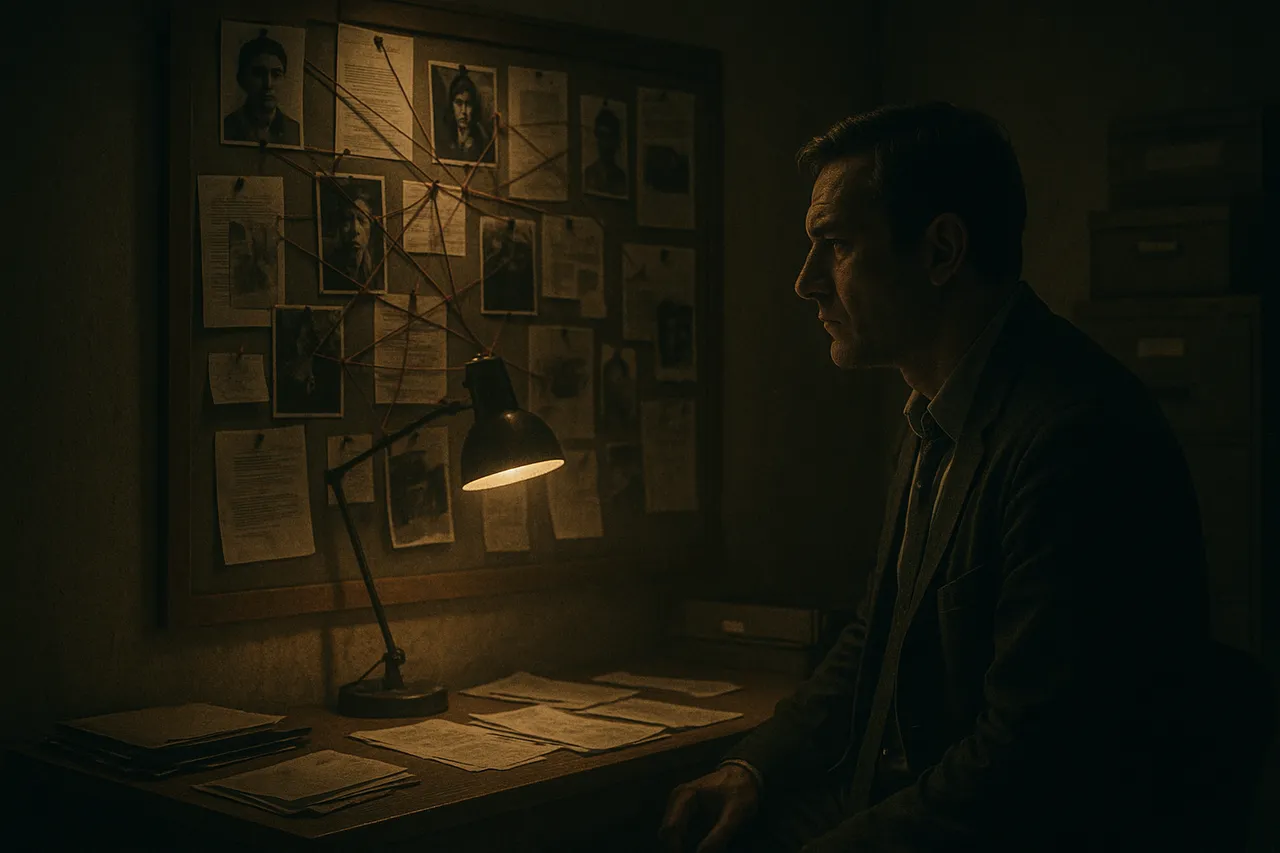
CrimeFile Platform Update: New Episodes and Features
New Episodes
CrimeFile now hosts five additional investigations spanning three continents and four decades. The latest batch includes a 1967 Stockholm bank robbery that pioneered hostage negotiation tactics, a 1982 Chicago poisoning case that changed pharmaceutical packaging worldwide, and a 1990s Moscow contract killing that exposed post-Soviet organised crime networks.
Each episode runs 60-90 minutes. Players examine original police reports, witness statements, and forensic documentation. The Chicago case introduces toxicology reports as evidence type. The Moscow investigation includes transcripts from FSB surveillance operations, declassified in 2019.
Evidence Timeline Tool

The platform's new timeline feature arranges evidence chronologically. Players can filter by witness, location, or evidence type. The tool highlights temporal inconsistencies — statements that contradict established timelines, alibis that don't align with documented movements.
This addresses a recurring player request. Complex cases generate dozens of documents. Manual chronology-building slowed investigation. The timeline automates sequencing while preserving investigative challenge. Players still decide which contradictions matter.
Mobile Interface Improvements
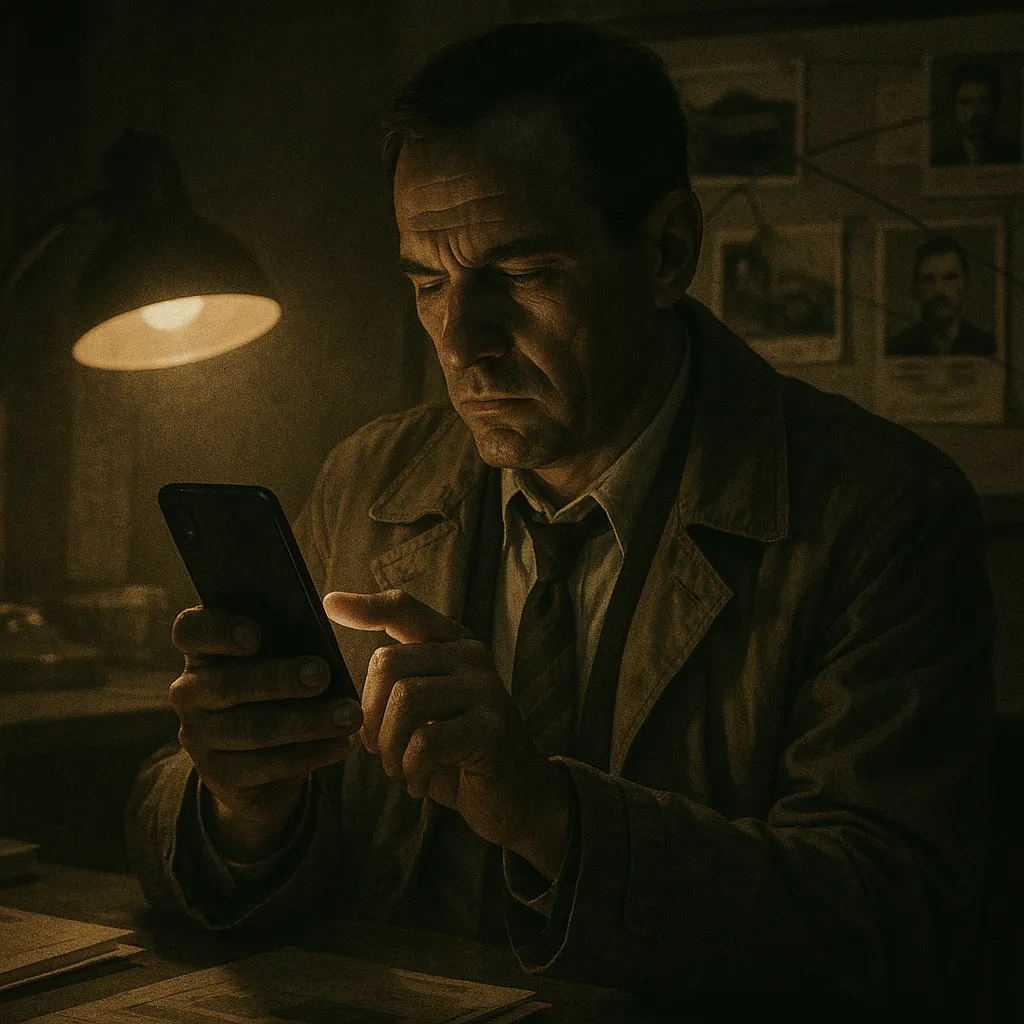
Document viewing on mobile devices has been rebuilt. Police reports and witness statements now render in native resolution without horizontal scrolling. Pinch-to-zoom works smoothly on evidence photographs. The case board adapts to portrait orientation.
Mobile sessions now account for 40 percent of platform traffic. The previous interface forced desktop-oriented layouts onto phone screens. Evidence text became illegible. Players abandoned cases mid-investigation. The redesign treats mobile as primary platform, not afterthought.
Translation Expansion
All episodes now include Russian-language evidence and interface. Translation extends beyond mere localisation — Russian cases use original documents from Soviet-era investigations. Stockholm and Chicago episodes were translated by native speakers with legal backgrounds.
The Russian player base has grown 300 percent since beta launch. Regional demand drove translation priority. True-crime interest in Russian-speaking markets focuses on domestic cases — Chikatilo, Ivankov, the Ryazan sugar bombings. CrimeFile's library now reflects that geography.
Performance and Stability
Backend infrastructure migrated to edge computing. Page load times decreased by 60 percent for users outside North America. Evidence images load progressively — low resolution first, full detail as bandwidth permits.
The previous architecture served all content from US datacentres. European and Asian players experienced multi-second delays. The edge network caches evidence files regionally. Moscow players now pull content from Moscow servers.
What's Next
Three episodes enter production this quarter. A 1971 London bombing case linked to political extremism. A 1985 Los Angeles serial assault investigation that introduced DNA profiling to US courts. A 1993 St Petersburg disappearance that remains officially unsolved.
The platform will add case difficulty ratings. Current episodes range from straightforward single-perpetrator crimes to multi-year conspiracies involving forensic accounting. New players sometimes start with expert-level cases and struggle. Difficulty indicators guide selection without spoiling outcomes.
Collaborative investigation features are in development. Players will form detective teams, divide evidence review, and compare conclusions. The true-crime community has requested this since launch. Solo play remains default; collaboration becomes optional mode.
Player Feedback
Survey data from 2,000 active users shaped these updates. The timeline tool, mobile redesign, and difficulty ratings all originated in player suggestions. The development approach treats the player base as beta testers — not in the sense of catching bugs, but in refining investigative workflow.
One consistent request remains unaddressed: custom case creation. Players want to upload their own unsolved mysteries and build evidence libraries. This involves content moderation challenges — distinguishing legitimate cold cases from conspiracy theories or privacy violations. The feature stays on the roadmap but requires legal review first.