
The Angara Cabin: When a Logging Accident Became a Murder Case
The Discovery
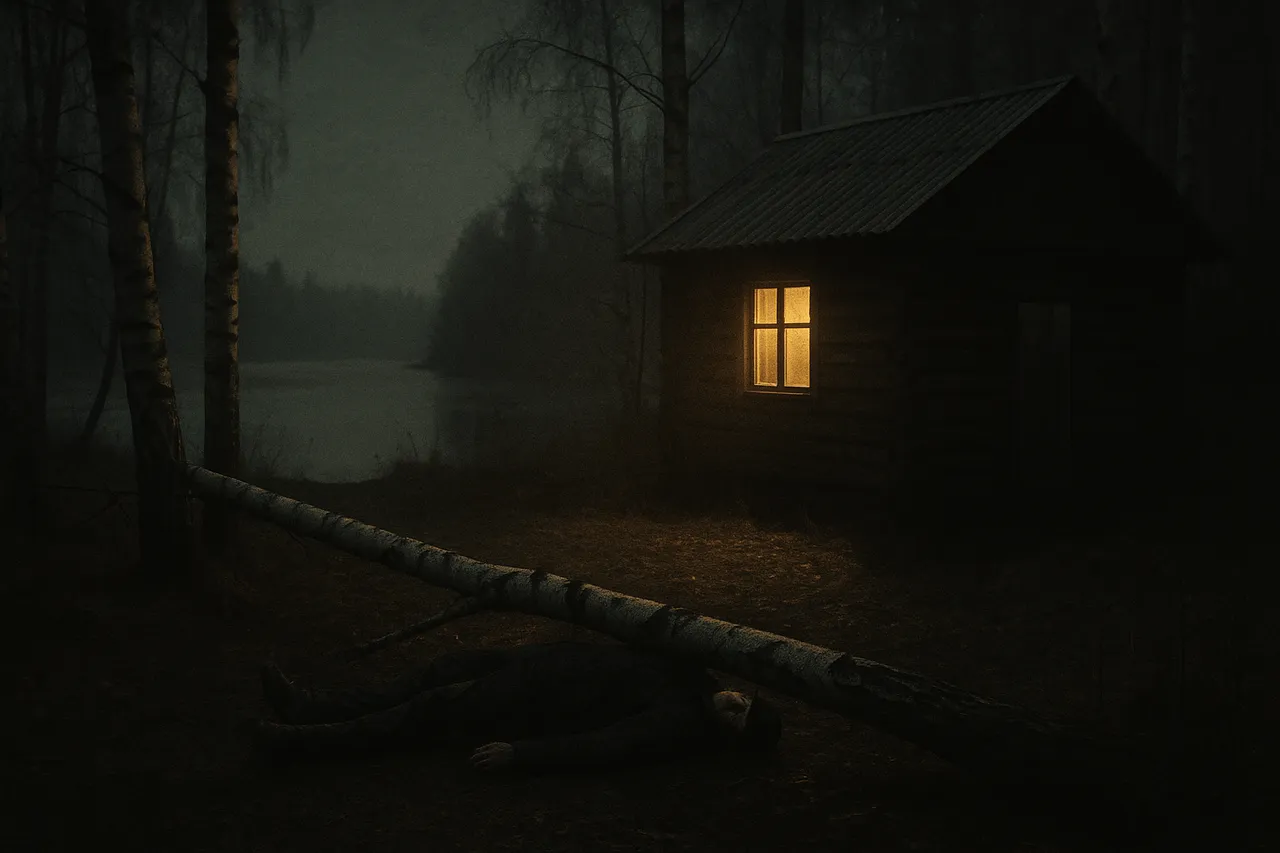
On a cold morning in April 1995, a colleague arrived at a forester's cabin along the Angara River in Irkutsk Region to find the owner lying motionless beneath a large birch tree. The scene appeared straightforward: a middle-aged man, employed by the regional forestry service, had been felling timber near his cabin when the tree came down on him. Death by misadventure was the obvious conclusion.
The Angara River basin in the mid-1990s was remote territory. Forestry work carried inherent risks, and fatal accidents were not uncommon. The cabin itself stood several kilometres from the nearest settlement, accessible only by rough track or river. Mobile phones were rare; radio contact unreliable. A lone forester working without supervision was vulnerable to equipment failure, weather, and human error.
Yet within hours of the discovery, the local procuracy opened a criminal investigation. Something about the scene troubled the first responders.
Initial Evidence
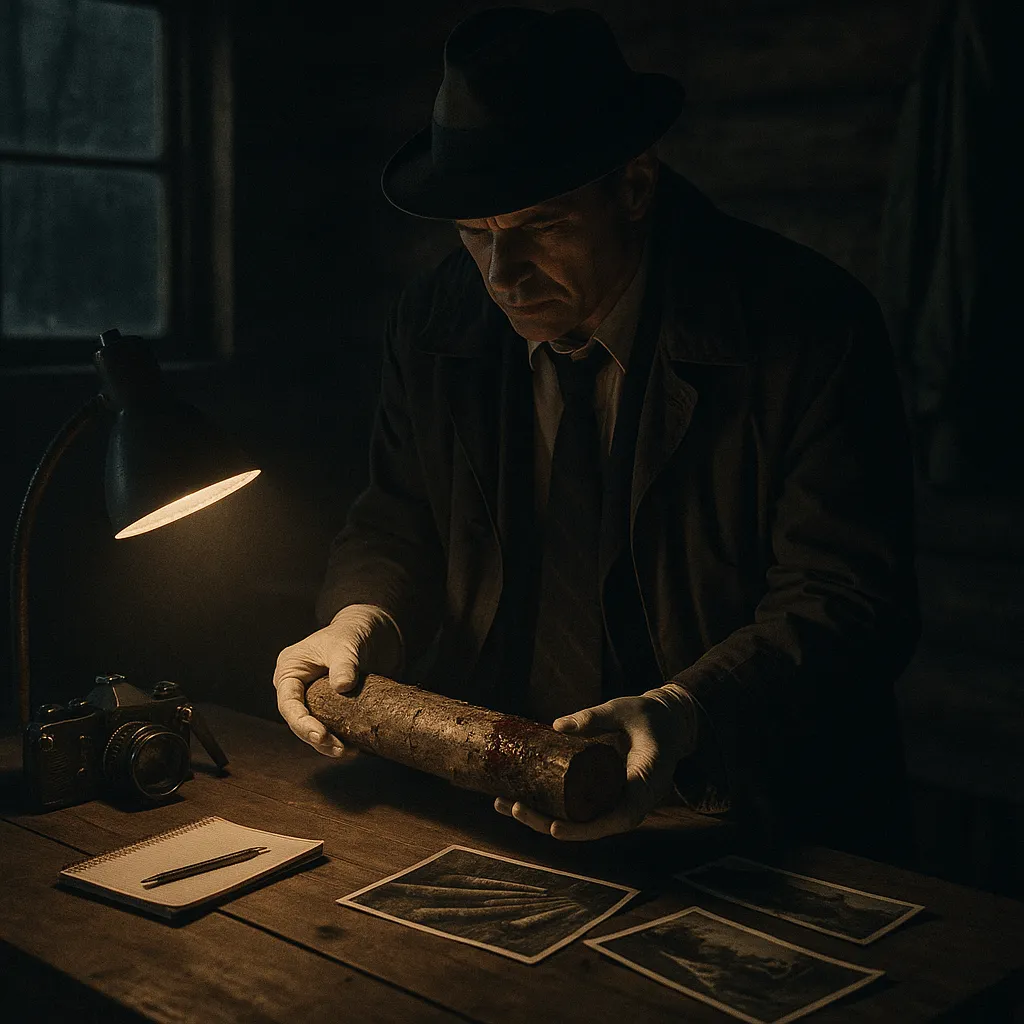
The fallen birch measured approximately forty centimetres in diameter. It had been partially cut through from one side, then appeared to have toppled in an unexpected direction. The forester's axe lay several metres from the body, not where it would have fallen if he had been holding it at the moment of impact.
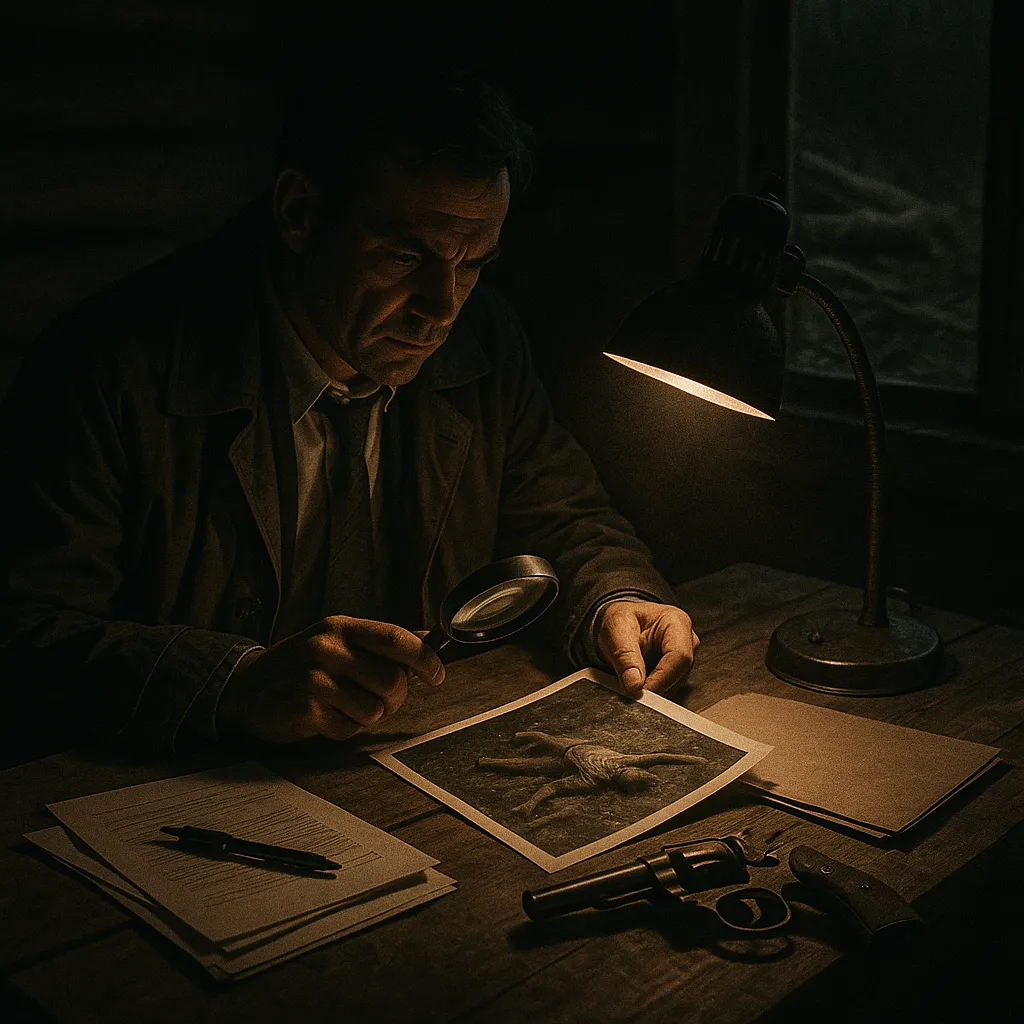
The body itself bore injuries consistent with blunt-force trauma to the head and torso. A forensic pathologist from Irkutsk examined the remains and noted that while the wounds could have been caused by the falling tree, their distribution was unusual. Most logging fatalities involve crushing injuries to the lower body or limbs as the victim attempts to escape. Here, the heaviest trauma was concentrated on the skull and upper spine.
Inside the cabin, investigators found signs of recent habitation by at least two people. A second set of dishes had been used and left unwashed. The stove contained fresh ash from the previous night. A bottle of vodka, half-empty, stood on the table alongside two glasses. The forester was known to live alone.
The Investigation
The lead investigator, a procurator with experience in the region's timber industry, began reconstructing the forester's final days. Interviews with colleagues revealed that the victim had recently complained about illegal logging in his sector. Timber theft was endemic in post-Soviet Russia; forestry officials who attempted to enforce regulations sometimes faced intimidation.
A neighbour from a cabin eight kilometres downstream reported seeing an unfamiliar vehicle on the track two days before the body was found. The description was vague: a dark-coloured jeep or truck, possibly a UAZ. Thousands of such vehicles operated in the region.
Forensic examination of the birch tree itself yielded a critical detail. The axe cuts did not match the forester's own axe. The blade width and cutting angle suggested a different tool, possibly a larger forestry axe or a two-handed saw used in conjunction with wedges. This contradicted the narrative of a lone worker felling a tree.
The procuracy requested a biomechanical analysis from the Irkutsk State Medical University. The report, completed in June 1995, concluded that the injuries to the skull were inconsistent with a glancing blow from a falling tree. The fracture pattern suggested a direct vertical impact, as if the victim had been struck while lying down or kneeling.
Witnesses and Leads
A breakthrough came from an unexpected source. A fisherman who frequently worked the Angara near the cabin recalled encountering two men in early April. They had been camping on the riverbank and had asked him for directions to the nearest forestry post. The fisherman described them as rough-looking, possibly ex-military, driving a Soviet-era truck. He had assumed they were seasonal workers.
The investigator traced this lead to a logging crew that had been operating illegally in a protected zone fifteen kilometres upstream. The crew had dispersed after the forester's death, but one member was located in Bratsk. Under questioning, he admitted that his foreman had gone to "negotiate" with the forester after receiving a warning about their activities. The foreman had returned to camp the next day and ordered an immediate shutdown.
The foreman himself could not be located. Records showed he had left Irkutsk Region in late April, destination unknown. A warrant was issued, but in the chaotic conditions of mid-1990s Russia, fugitives could vanish with ease.
The Outcome
The case was formally classified as murder in July 1995. The theory advanced by the procuracy was that the forester had been confronted by one or more individuals involved in timber theft, struck with a blunt object, and the birch tree subsequently felled onto his body to simulate an accident. The missing foreman was named as a suspect, but never apprehended.
In 1998, the case was suspended due to lack of progress. The suspect's whereabouts remained unknown. No weapon was recovered. The logging crew members who had been questioned provided alibis for one another, and none could be definitively placed at the cabin on the day of the death.
The forester's family challenged the suspension, arguing that insufficient effort had been made to locate the suspect. A regional human-rights organisation took up the case, citing it as an example of the dangers faced by environmental enforcement officers in Siberia. The suspension was briefly lifted in 2001, but no new evidence emerged.
Unanswered Questions
The Angara cabin case remains open in the archives of the Irkutsk procuracy. Several questions have never been satisfactorily answered.
First, the identity of the second person or persons in the cabin the night before the death. The unwashed dishes and vodka glasses suggest the forester entertained a guest, but whether this was the eventual killer or an unrelated visitor remains unclear.
Second, the precise sequence of events. If the forester was struck inside the cabin or nearby, how was his body moved to the base of the birch? The ground showed no drag marks, and the victim was a heavily built man. This implies either that he walked to the spot under duress, or that more than one assailant was present.
Third, the role of the illegal logging operation. While the missing foreman is the primary suspect, no direct evidence links him to the scene. It is possible that the confrontation over timber theft was coincidental, and the actual motive lay elsewhere.
The case has been dramatised in CrimeFile episode 100, which presents the available evidence and invites players to test competing theories. The episode does not offer a definitive solution, reflecting the ambiguities that frustrated investigators in 1995.
Legacy
The death of the Angara forester is one of dozens of unsolved cases from the turbulent years following the Soviet collapse. In Irkutsk Region alone, procuracy records from 1994-1996 document more than forty violent deaths connected to disputes over natural resources: timber, minerals, fishing rights. Many investigations were hampered by limited forensic capacity, witness intimidation, and the mobility of suspect populations.
For the forester's family, the lack of resolution has been a enduring grief. For regional investigators, the case represents a moment when institutional authority was too weak to deliver justice. For students of post-Soviet crime, it is a reminder that the chaos of transition was measured not only in economic statistics, but in lives lost and questions left unanswered.